

Scrolling through social media, it’s easy to spot photos of girls dressed in barely-there outfits, showing off cleavage with captions so clueless they seem fake: “Is this too childish for a date?” The outrage kicks in immediately, with viewers rushing to comment insults or mock the poster’s mindset.

But pause for a second. Behind these provocative photos isn’t just a clueless girl, it’s a dirty money-making machine running on the community’s anger.
The “Outrage for Profit” Formula
On social media, a key metric is engagement. Algorithms on Threads, Instagram, or Facebook don’t tell positive from negative reactions. They just see thousands of comments and views, so they keep pushing the post to go viral.
This “trash content” tactic works in steps. First, the bait is a photo of a girl in revealing or controversial clothing. Then comes a clueless caption designed to provoke viewers into “correcting” or “attacking” her. Finally, the post is monetized with affiliate links dropped in the comments once engagement peaks.

The more the community lashes out, the more the post shows up on others’ feeds. Among those throwing shade, just 1% clicking the affiliate links to check prices or even buy something earns the account a commission.
Exposing Image Theft
The truth is most accounts posting these “provocative” photos with affiliate links are fake. These shady affiliates scrape and steal images online. They use female sexuality as bait, turning real women into tools for illegal profit without spending a dime.
This ruins the reputation of the women in the photos. The online community slaps labels like “cheap” or “uneducated” on them, often without the women even knowing their images were stolen.
Toxic Consequences
Allowing these dirty affiliate schemes causes serious harm to social media ecosystems. Cheap, provocative, shocking content drowns out valuable creative posts. Users grow tired and resentful of social platforms. Plus, affiliate links often lead not just to products but fake sites, malware, or disguised gambling platforms.
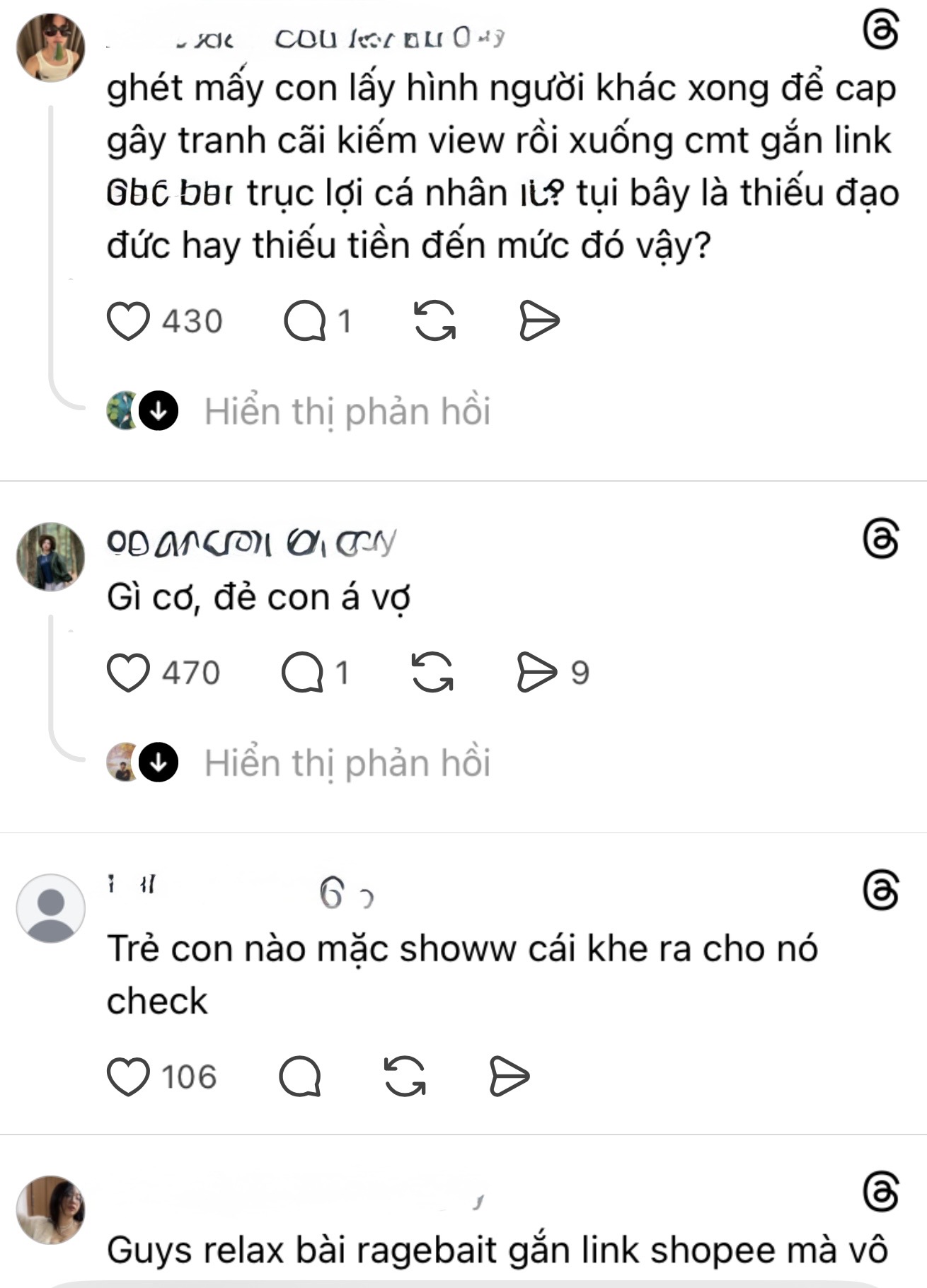

Don’t let your outrage turn into someone else’s commission. To fight this, users should change how they react. Avoid commenting or reacting with angry emojis. The algorithm will see you’re not interested and stop showing similar content.
Instead of insulting, take 3 seconds to report the post as “Spam” or “Harassment/Nudity.” This is the only way to clean out these clone accounts. Be cautious with suspicious links under bait posts. Protect your sensitive or personal photos by setting privacy controls to avoid automatic image theft.

