


In the world of Japanese anime and manga, the three-person team trope has long been a familiar formula, especially for Naruto fans.
Just mentioning a group made up of two guys and one girl instantly brings to mind Naruto’s legendary Team 7: Naruto Uzumaki, Sasuke Uchiha, and Sakura Haruno.
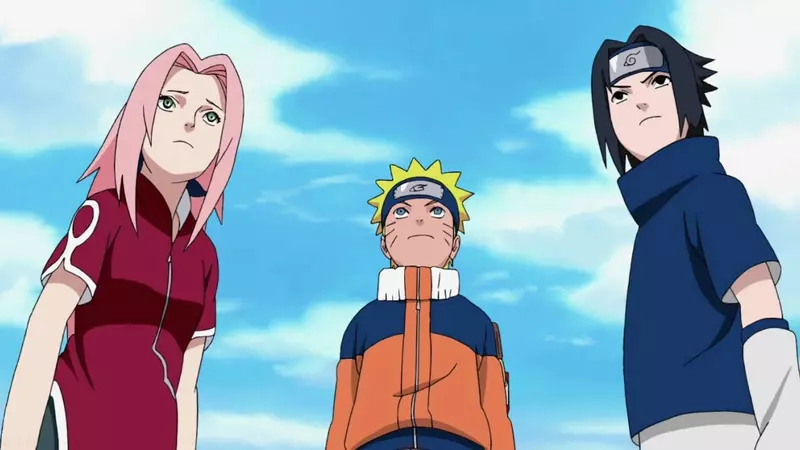
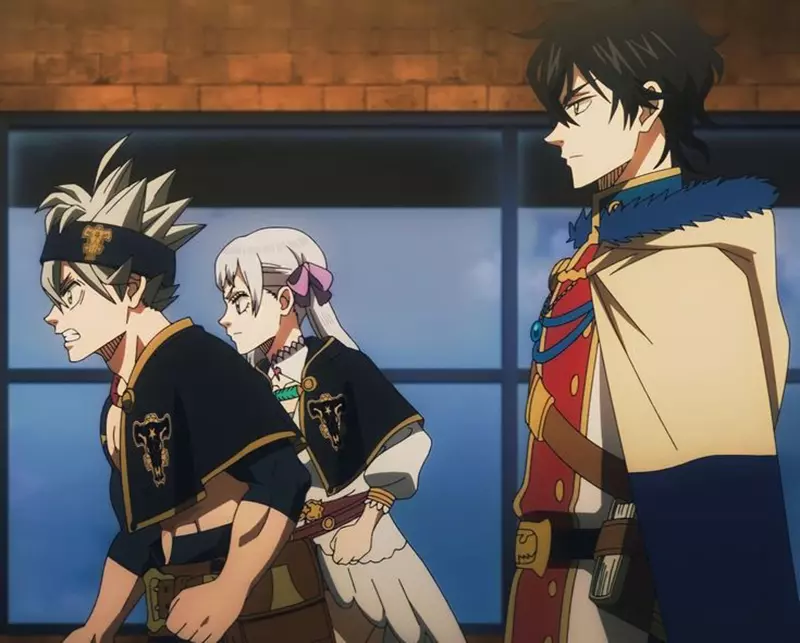
Recently, a heated debate broke out among Japanese netizens over whether Naruto was the original work that set the template for many manga and anime that followed.
It all started with a viral post on X (formerly Twitter), where a user pointed out that many modern anime use a character setup similar to Naruto’s: an energetic male lead, a cold and talented male rival, and a female lead who balances the team. The post cited popular series like Black Clover, Jujutsu Kaisen, and Chainsaw Man as examples.
The post quickly gained massive engagement and sparked intense discussion among anime fans. Some agreed that Naruto strongly shaped how modern shonen groups are built. They argued that Naruto’s huge success led many later creators to consciously or unconsciously reuse this formula. Especially the trio of a hyperactive male lead, a genius cold rival, and a strong female lead has become nearly ubiquitous.
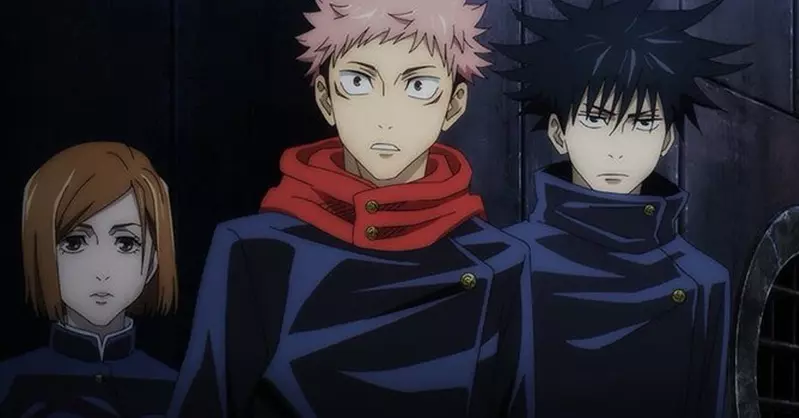
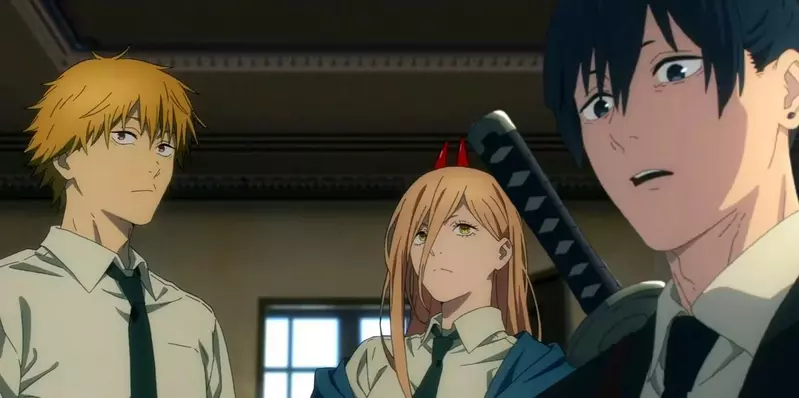
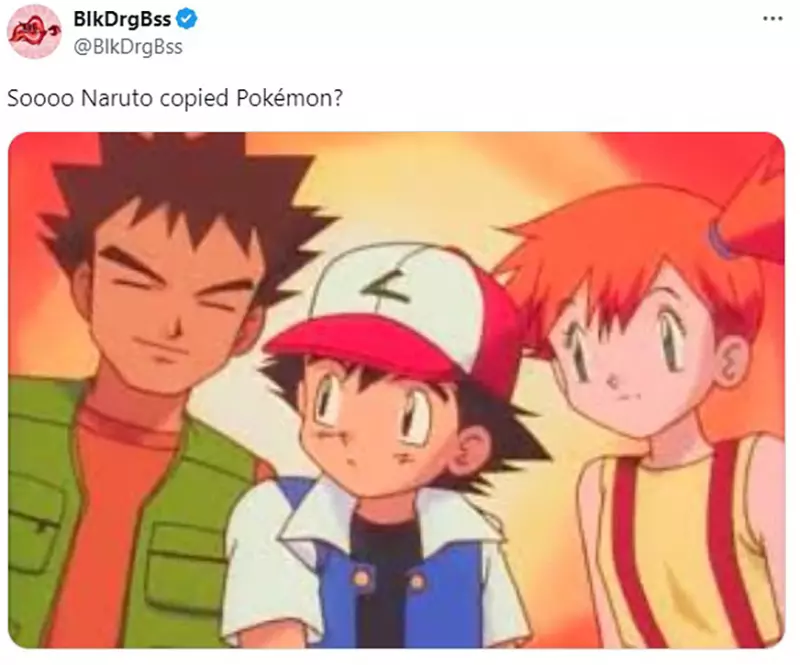
Many fans even said that just looking at the main casts of recent anime instantly gives off strong Naruto vibes. However, opponents fired back quickly. Many argued that the two guys and one girl trope existed long before Naruto and is a classic storytelling formula across pop culture. Examples like Dragon Ball, Pokémon, Star Wars, and even Harry Potter were brought up. Some joked that if a three-person team equals copying Naruto, then nearly every famous story in the world is ripping each other off.
Interestingly, this debate also made fans reconsider why the three-person team is so popular. According to many analyses, this setup is extremely effective for storytelling. Three characters are enough to create interaction, conflict, and character development without overwhelming the audience like larger groups might.
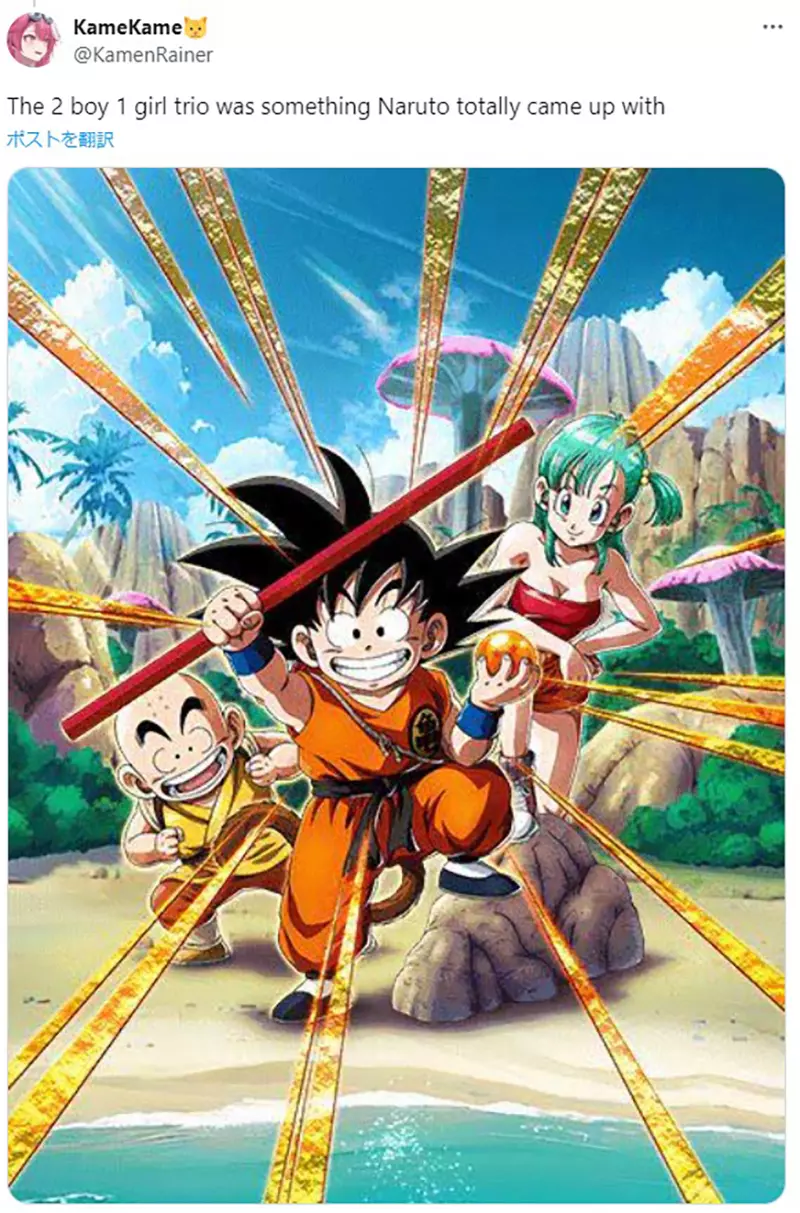
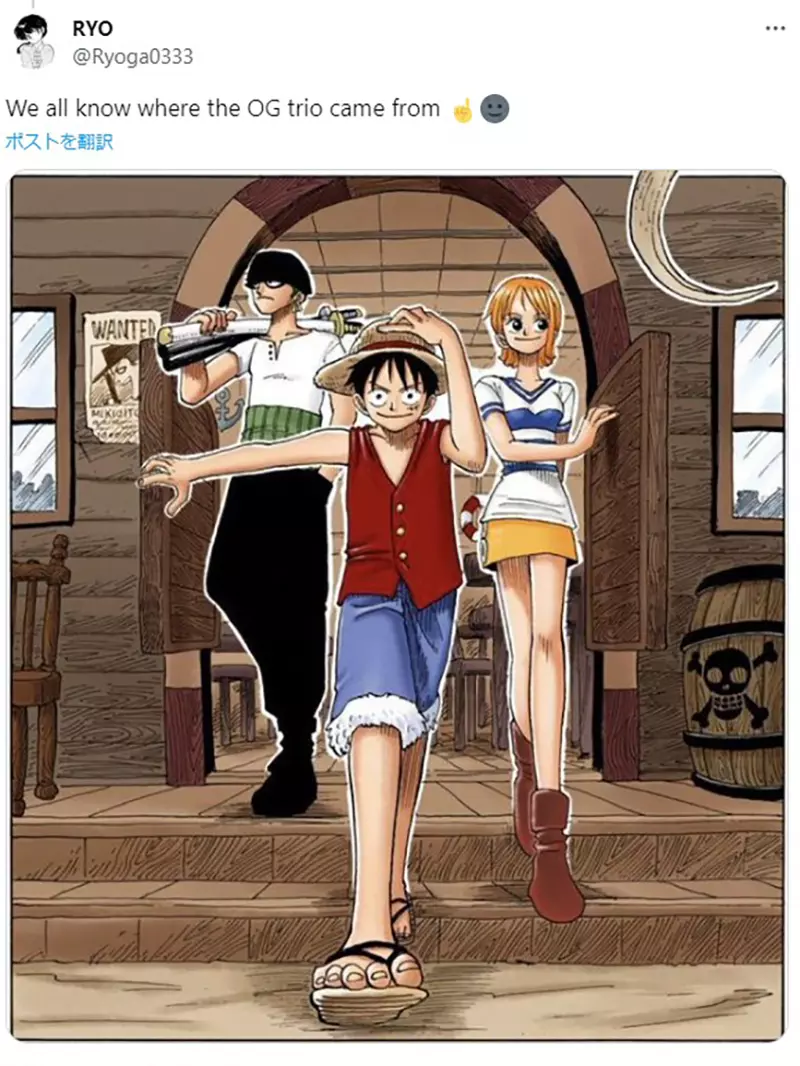
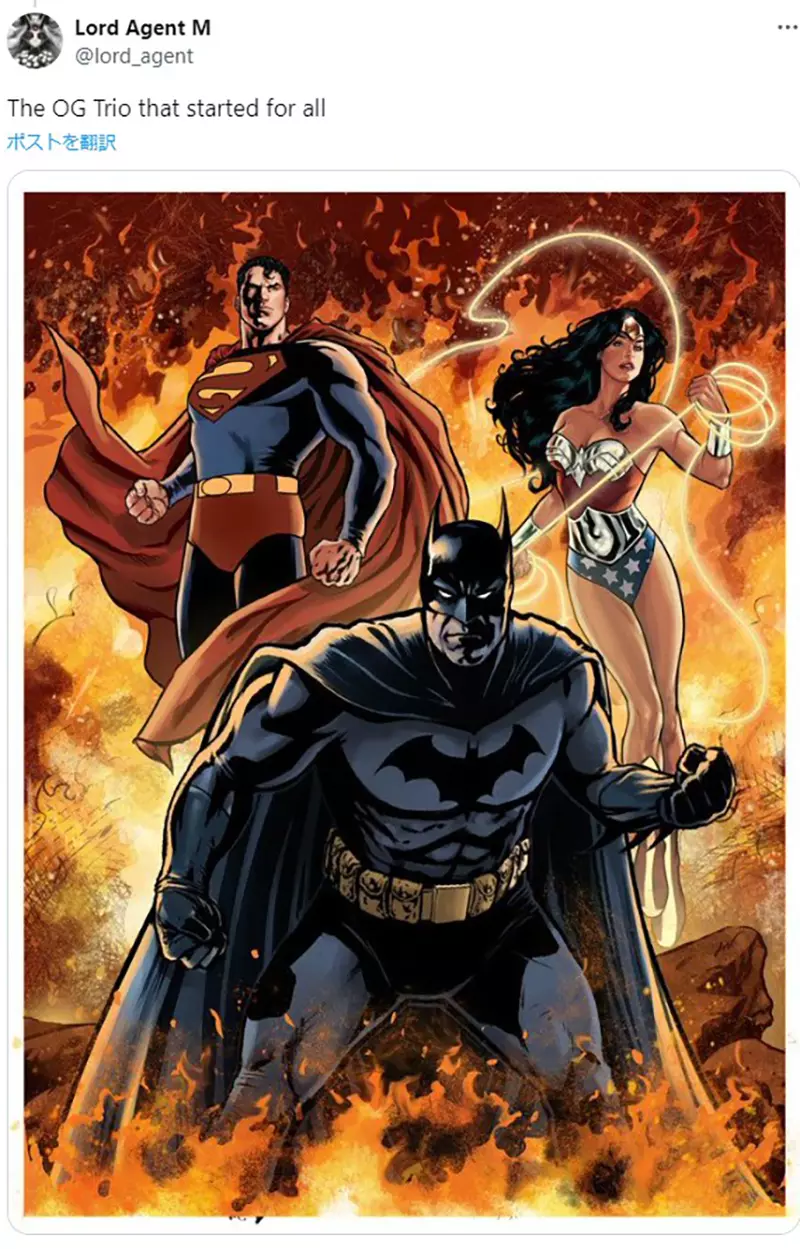

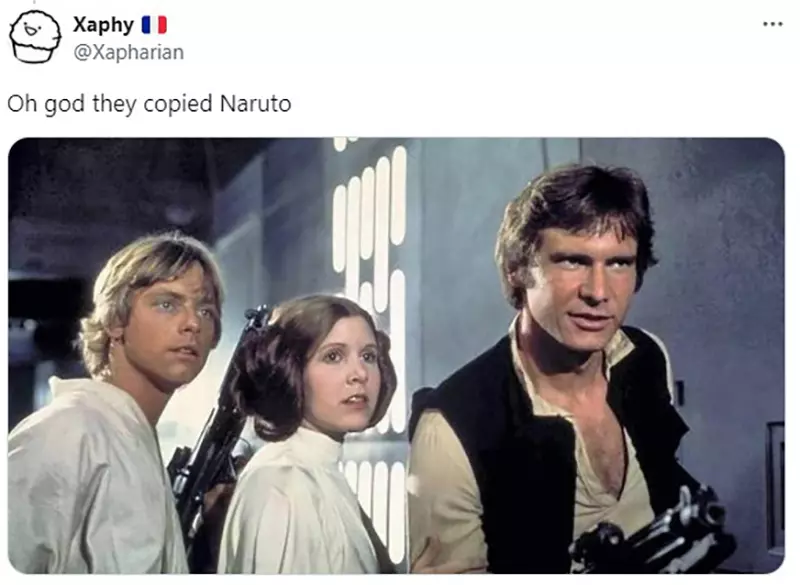
Typically, this model includes an emotional or impulsive main character, a rational, strong, or mysterious character, and a female character who balances the mood and connects emotions. This structure has existed from mythology and novels to modern cinema, not just Japanese anime.
Still, even those who disagree admit Naruto played a huge role in popularizing this trope among today’s anime audience. Masashi Kishimoto’s Team 7 became so iconic that it unintentionally turned into the default image in many fans’ minds. So any anime with a similar character setup is bound to be compared to Naruto.