

Like DDR4 and earlier generations, DDR5 is designed to boost capacity and clock speeds to new heights. DDR5 RAM will have the same number of pins as DDR4, which is 288 pins. However, the pin layout will be different. This means you won’t be able to plug DDR5 modules into DDR4 slots and vice versa, you have to use the correct DDR5 slot.
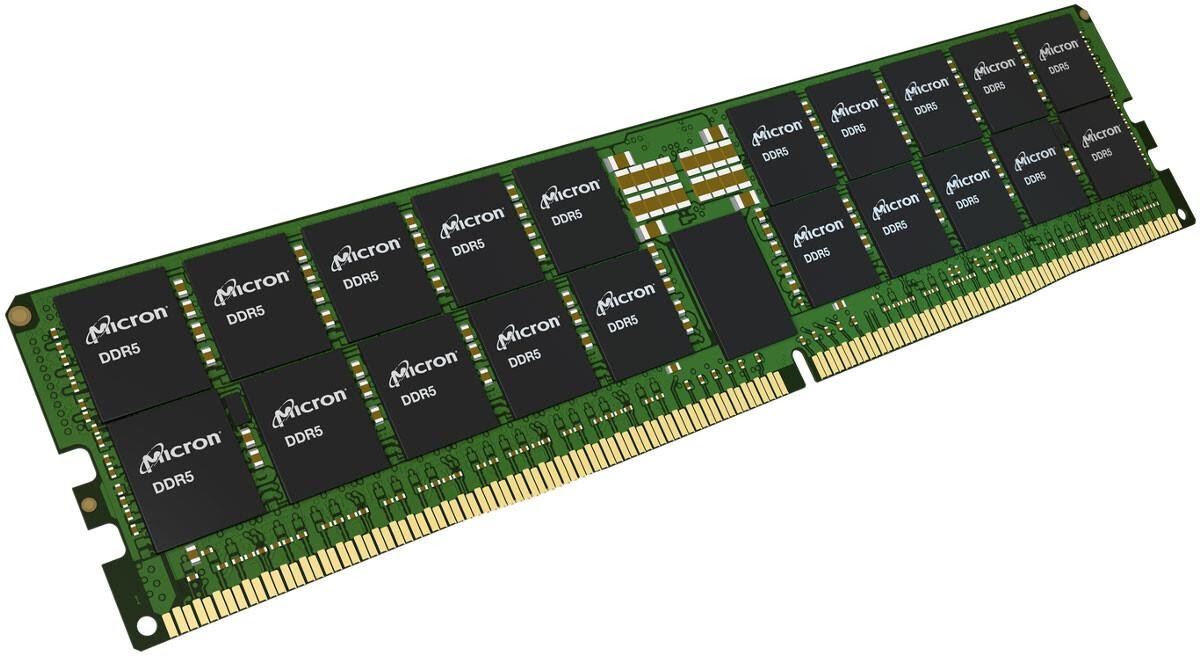
DDR4 features a 16-bank structure divided into 4 bank groups. DDR5 doubles this with 32 banks spread across 8 bank groups. The burst length also doubles from 8 to 16. DDR5 introduces a Same Bank Refresh function (SBRF), allowing the PC to access other banks while one bank is refreshing.
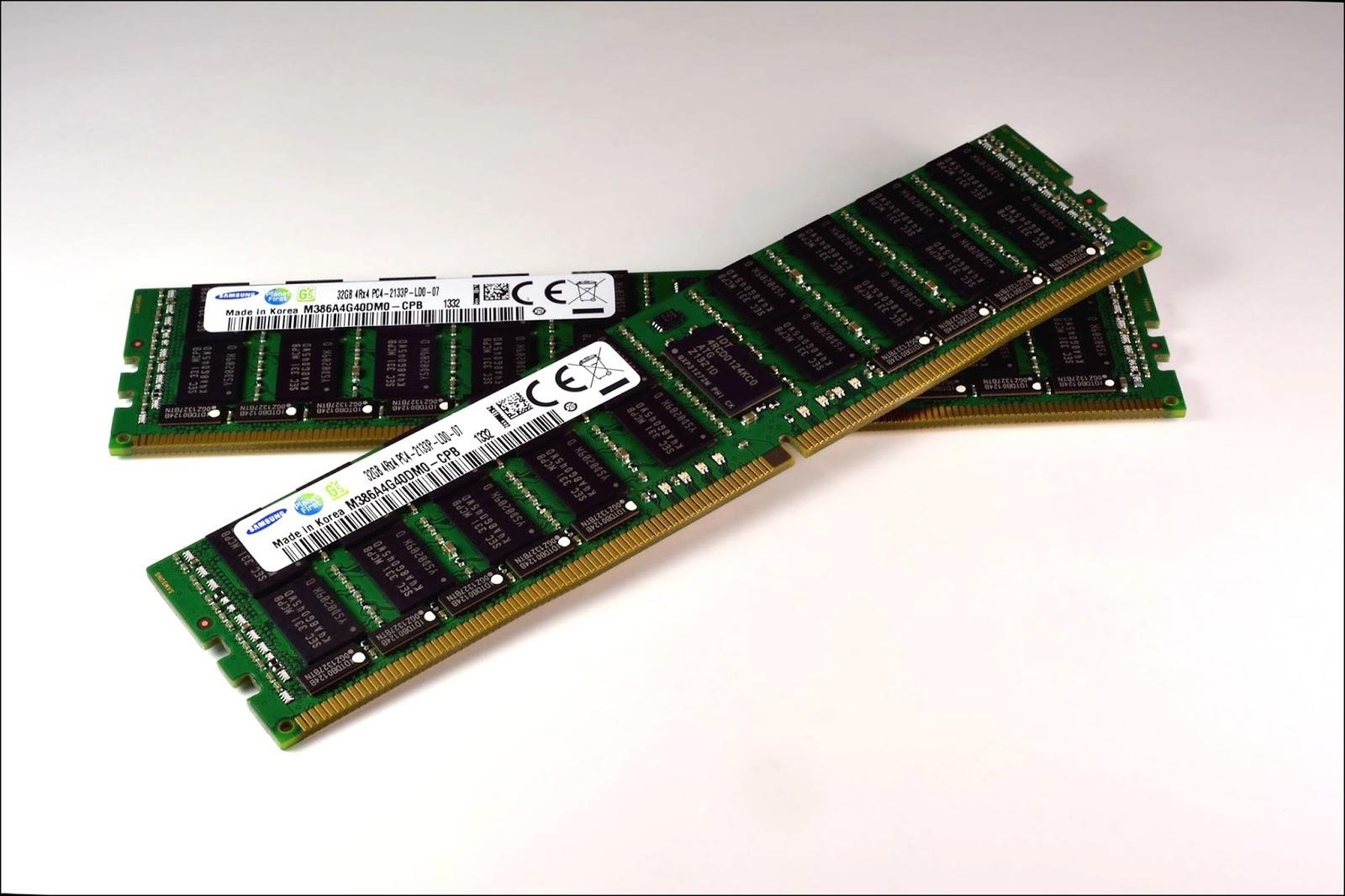
Each DDR5 module supports up to four times the capacity of DDR4. DDR4 modules use 16 Gbit chips maxing out at 32 GB per stick. DDR5 will use 64 Gbit chips, pushing max capacity per module up to 128 GB. For enterprise use, DDR5 supports die stacking, letting manufacturers stack 16 dies on a single chip. This means a Load-Reduced DIMM (LRDIMM) could reach capacities as high as 4 TB.
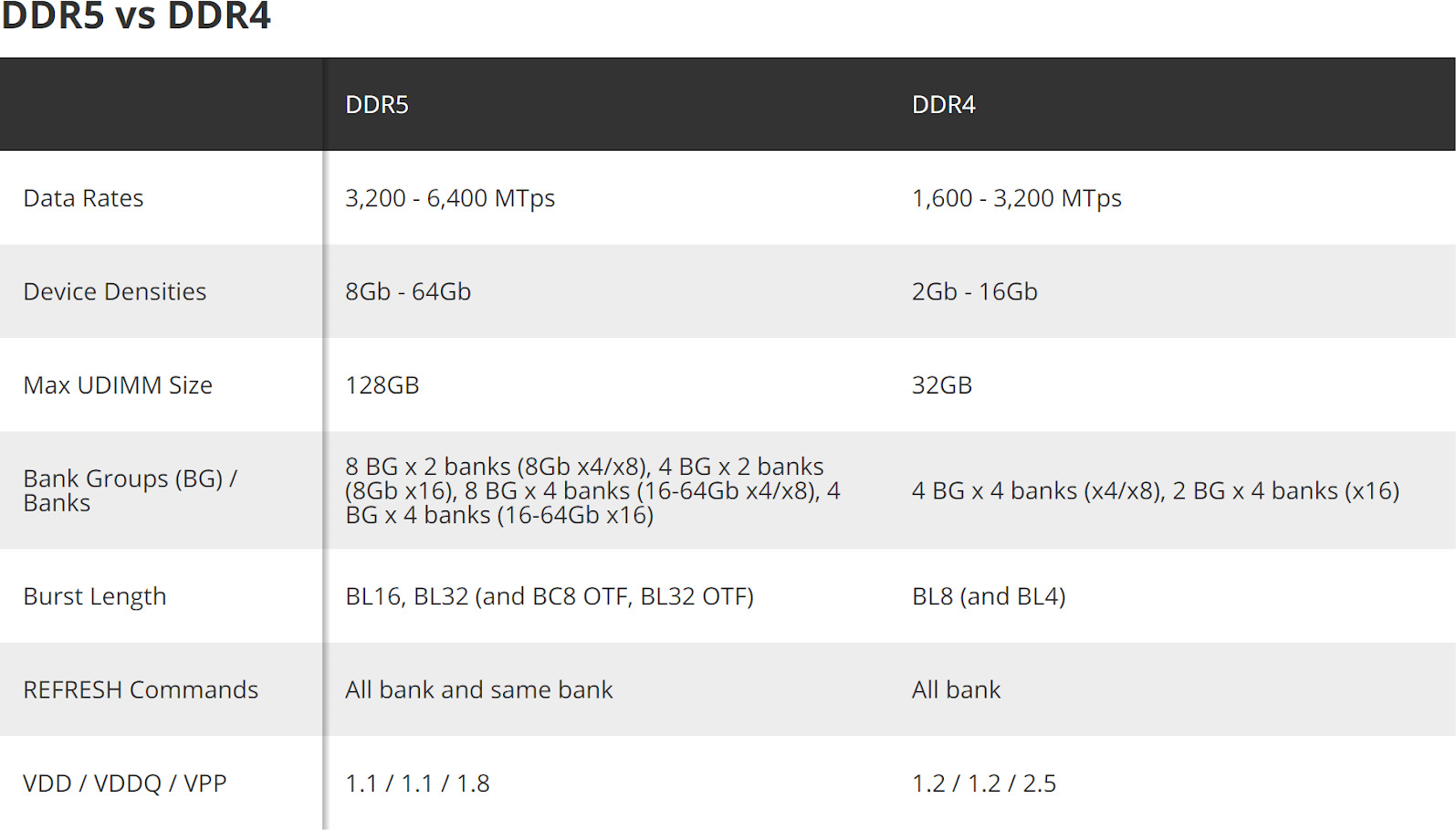
Besides quadrupling capacity, DDR5 also doubles memory bandwidth compared to DDR4. Official DDR4 data rates range from 1600 MTps to 3200 MTps, while DDR5 starts at 3200 MTps and goes up to 6400 MTps. These JEDEC specs serve as a baseline, but top RAM makers often push DDR4 speeds beyond official limits, some kits reach 5000 MTps. So it’s likely DDR5 kits will surpass 6400 MTps, making SK Hynix’s goal of DDR5-8400 modules achievable.
Continuing the trend of efficiency, DDR5 runs at a lower voltage of 1.1V compared to DDR4’s 1.2V, helping save power. DDR5 modules will also include built-in voltage regulators, easing the load on motherboards. However, this added tech might make DDR5 modules pricier.
The switch to DDR5 is expected to start in 2021, with server platforms likely adopting it first before consumer PCs. Intel’s Sapphire Rapids CPUs will support DDR5, and AMD’s fourth-gen EPYC processors (code-named Genoa) will also be compatible.
Source: tom’s HARDWARE

