

A few days ago, Xiaomi unveiled its flagship Mi 11 with a notable change. The smartphone will be sold without a charger included in the box. Xiaomi’s CEO Lei Jun confirmed this decision two days before the official launch.
Similar to Apple’s move to remove chargers from iPhone boxes, Xiaomi’s CEO explained that this choice aims to protect the environment since USB-C chargers have become widely available.
But Xiaomi took a praiseworthy step by offering a free charger to users who actually need one. This means alongside the Mi 11 version without a charger, customers can opt for a Mi 11 that comes with a 55W charger at no extra cost.
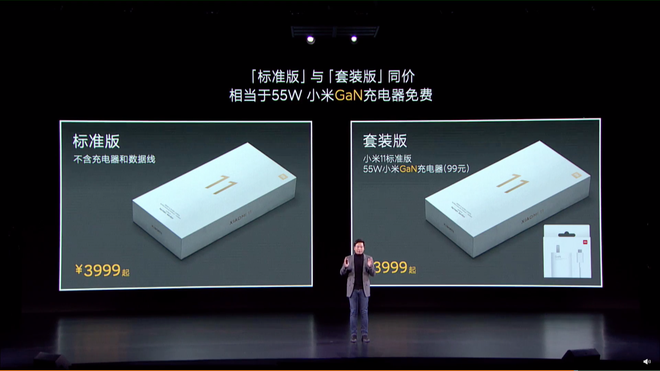
If there were a vote on environmental protection between Xiaomi and Apple, the Chinese smartphone maker would likely win because of this decision. Protecting the environment is the right thing to do, and removing the charger from the box is part of that effort. But whether to exclude it should be up to the user, and most importantly, it shouldn’t affect the user experience.
Another big company making user-friendly eco moves is Starbucks. Committed to reducing plastic waste, since 2020 Starbucks has removed plastic straws from its stores and switched to paper straws, which are still provided free despite higher costs. Plus, customers who bring their own reusable cups get a discount on their drinks.
This approach is similar to many important environmental solutions today, like using solar or wind power and banning non-recyclable plastic bags. All these efforts succeed when they don’t negatively impact the user experience.
Meanwhile, unlike Xiaomi or most current eco-friendly solutions, Apple’s decision to drop the charger from the iPhone box doesn’t seem focused on protecting the environment or improving user experience.
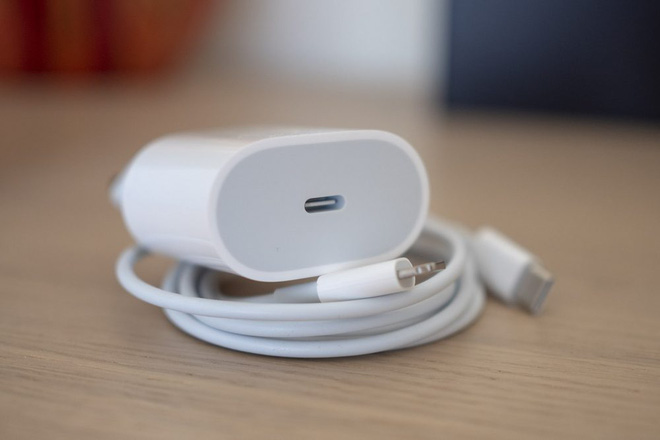
Users have no choice but to buy a new charger if they don’t already have one. Plus, the USB-C to Lightning cable included with the iPhone 12 isn’t compatible with older Apple chargers. Using old cables results in slower charging speeds.
So, to enjoy fast charging on the iPhone 12, users must purchase a compatible USB-C charger from Apple or third-party brands, leaving old cables unused. This ultimately increases environmental waste from discarded cables and extra packaging from separately bought chargers.
This contrasts sharply with Xiaomi, whose Mi 11 charger is a 55W GaN fast charger, one of the most powerful mobile chargers available. It even charges faster than Apple’s 20W charger.
Like other questionable moves Apple has made before, removing the charger from the iPhone box will likely lead many Android brands, including Xiaomi, to follow suit. But at least these brands should learn from Xiaomi’s example if they want to do it right, truly protecting the environment while respecting user experience.

