

It’s safe to say the iPhone 12 Mini is Apple’s clearest flop in years. Just months after its release, sales of this smaller iPhone dropped so low that market analysts predicted Apple would soon kill off the Mini line. While that hasn’t happened yet, every statistic points to the iPhone 12 Mini falling short of expectations. According to Counterpoint, in January the Mini’s market share was only a fraction of other iPhone 12 models and it couldn’t even outsell the aging iPhone 11.
So, what caused the iPhone 12 Mini to fail?
Wrong assumptions about iPhone users
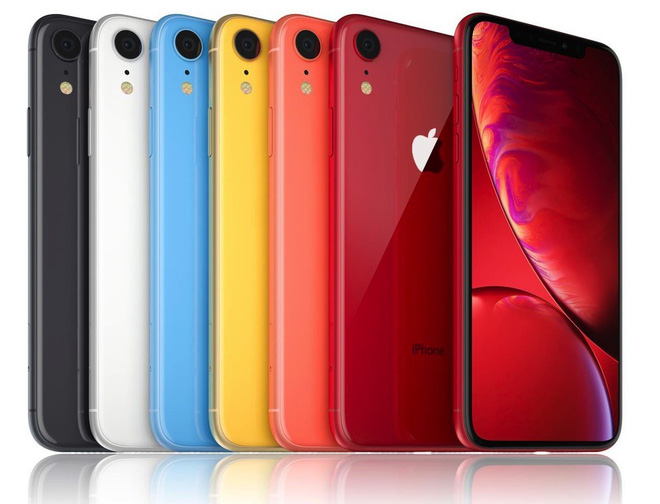
Let’s look at two common explanations for the Mini’s failure: that iPhone users only want the expensive models, and that small screens are no longer popular. Both are completely wrong.
First, do iFans only love the priciest iPhones like the 12 Pro Max? Not really. Since the XS Max launched, Apple’s biggest-screen models have never been the best sellers. The XS Max was outsold by the XR, the 11 Pro Max lost to the regular 11, and the 12 Pro Max couldn’t beat the iPhone 12. For the past three years, the top-selling iPhones (and smartphones overall) have been the more affordable mainstream models. This shows that most iPhone buyers prefer the $700 to $800 price range, not the thousand-dollar Pro or Pro Max options.
Next, is the era of small smartphones over? The answer is no. From its launch until just before the iPhone 12 came out, Apple’s 4.7-inch iPhone SE consistently ranked among the top 10 best-selling smartphones worldwide. In fact, Canalys data shows the iPhone SE was the second best-selling smartphone globally in Q3 2020, only behind the iPhone 11.
What really caused the iPhone 12 Mini to flop?
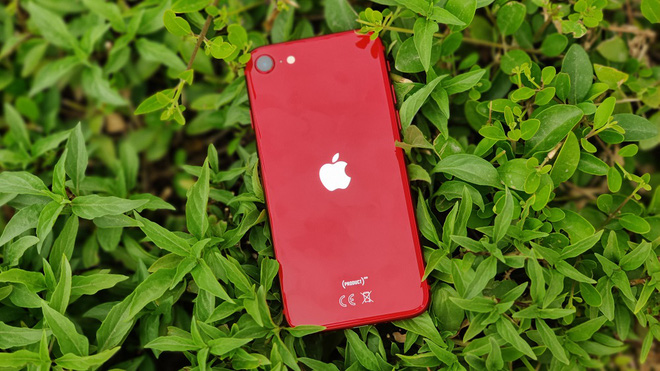
By now, you’ve probably figured out why the iPhone 12 Mini failed. Just six months before the Mini’s release, Apple launched a hugely successful small phone: the iPhone SE. Priced at just $400, the SE packed specs comparable to the iPhone 11. More importantly, it met the key demand many buyers had for the Mini: a compact size with a 4.7-inch screen. It’s clear that fans who wanted a small but powerful iPhone jumped on the SE immediately, since it cost half as much as the regular iPhone 11.
In other words, when the iPhone 12 Mini arrived, its potential audience had already been captured by the iPhone SE. The Mini’s specs were better, but the SE’s one-year-old hardware was still powerful enough to run any app smoothly (and even outperform many top Android phones). The Mini’s notch screen replaced the SE’s old 16:9 display, but both phones had similarly small screens, so that advantage was minor.
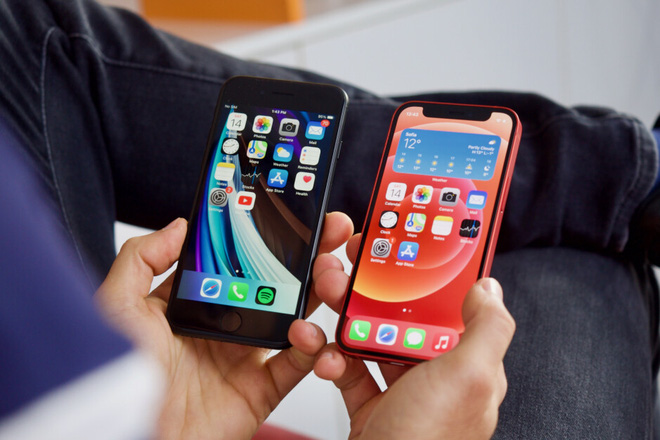
The Mini’s price was nearly double the SE’s at $700, for only a slight bump in performance and screen design. That’s why many buyers stuck with the SE instead of upgrading. Plus, the six-month gap between the SE and Mini was too short for most iFans to consider an upgrade.
Was this a calculated mistake?
Clearly, the iPhone 12 Mini shouldn’t have launched when the iPhone SE was already such a hit. So how could Tim Cook, the tech world’s shrewd veteran, make such a basic misstep?
The answer might be that Cook didn’t make a mistake at all. He probably predicted consumers would choose the iPhone 12 over the Mini. By pricing the Mini at $700, he had a reason to push the regular iPhone 12 up to $800. This way, Apple’s CEO could add an extra $100 to the best-selling iPhone in the lineup.
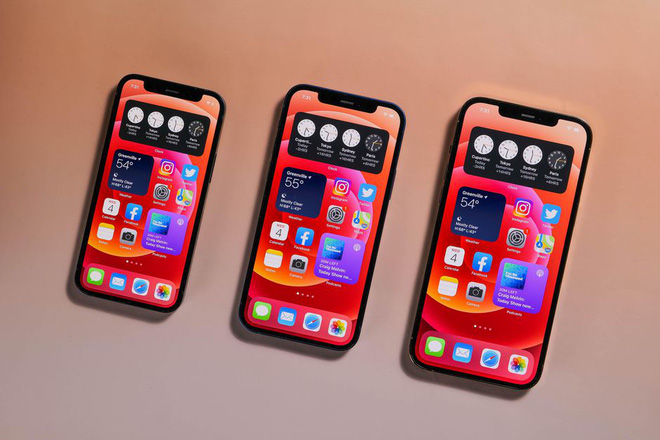
Sure enough, the Mini’s “failure” didn’t hurt Apple at all. In fact, Q4 2020 saw Apple’s revenue hit record highs. Tim Cook made sure iFans had no real reason to buy the Mini, nudging them toward pricier iPhones during the holiday season, which brought huge profits to Apple!

