

In a fit of rage, Liu Bei sent all his elite troops to attack Wu. But why did he leave his mastermind Zhuge Liang behind? It turns out their “perfect partnership” wasn’t as flawless as we thought.
Many still believe the Romance of the Three Kingdoms story that Zhuge Liang stayed behind to stop Liu Bei from rushing into battle. But looking at historical records and analyzing the facts, the harsh truth is this: Liu Bei didn’t trust Zhuge Liang’s real combat leadership.

1. Brilliant with arts and strategy, but was he out of his depth on the battlefield?
To Liu Bei, Zhuge Liang was a genius in strategy and logistics, but lacked the sharp instincts of a tactical master.
A clear example is the chaotic retreat at Xinye. When passing Xiangyang, Zhuge Liang suggested attacking the city to seize Jingzhou. Militarily, this was a reckless move since Xiangyang was heavily fortified and Cao Cao’s forces were right on their heels. If Liu Bei had followed this advice, he might have been wiped out early on. These past mistakes made Liu Bei doubt Zhuge Liang’s battlefield command.
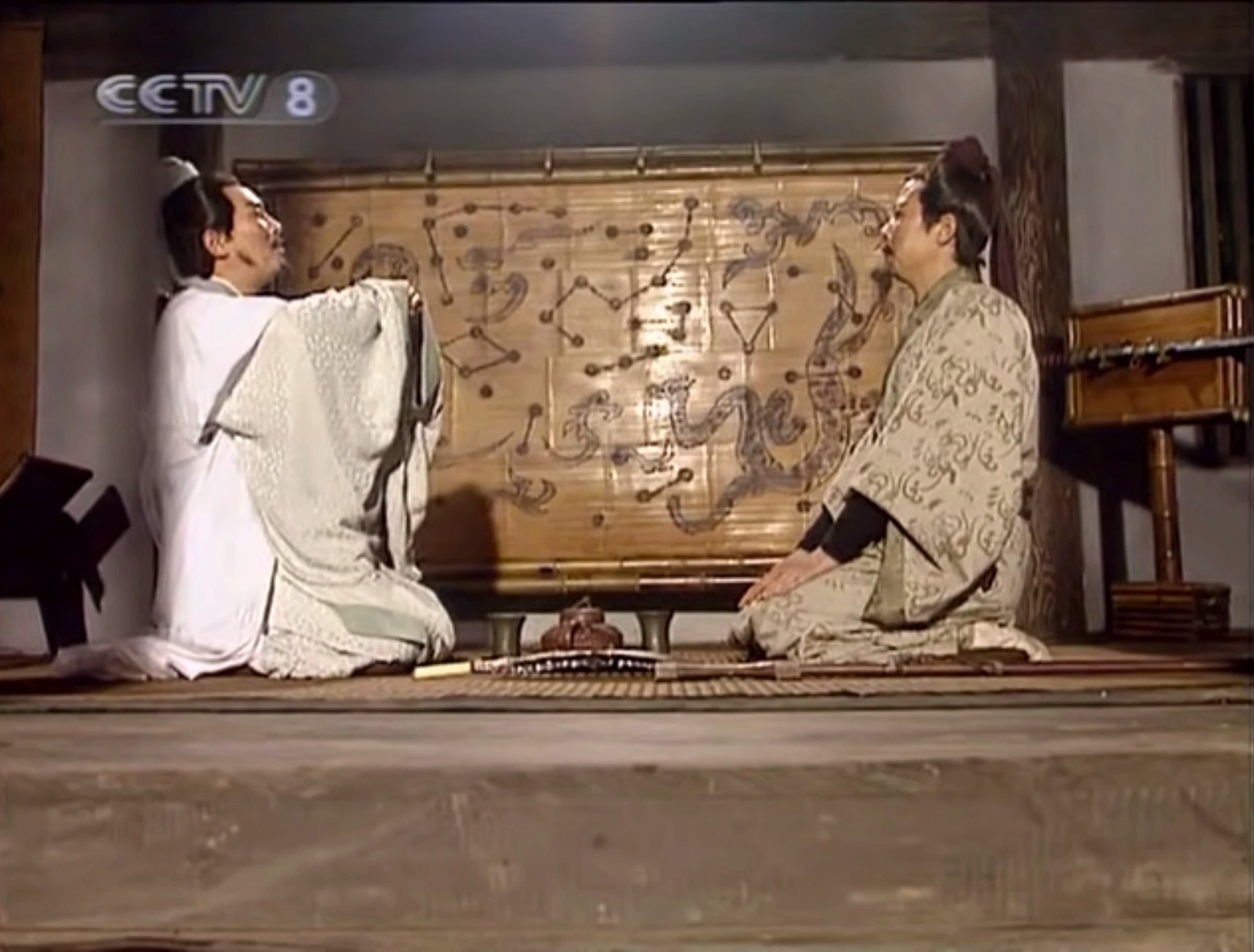
2. Fa Zheng was Liu Bei’s true ace on the battlefield
Do you know who really helped Liu Bei defeat Cao Cao at Hanzhong? It wasn’t Zhuge Liang, but Fa Zheng. Even Zhuge Liang bitterly admitted after the Dilang disaster: “If Fa Zheng were still alive, he could have stopped the lord from rushing east, or if he had accompanied us, we wouldn’t have suffered such a crushing defeat.”
This statement reveals a truth: in major campaigns, Liu Bei needed a practical and cunning “brain” like Fa Zheng or Pang Tong more than a cautious, theoretical thinker like Zhuge Liang.
3. When the “strategist” was just handling supplies and governance
At this stage, Liu Bei saw Zhuge Liang more as a “Xiao He” (logistics and governance expert) than a “Zhang Liang” (mastermind behind the scenes).
Liu Bei’s thinking: I can lead the troops against Eastern Wu myself. Zhuge Liang just needs to stay in Chengdu managing supplies, keeping the people loyal, and watching the northern borders.
The reality: Liu Bei was overconfident in his own battlefield experience and forgot that against a military prodigy like Lu Xun, he desperately needed a cool-headed strategist to temper his impulsiveness.
Conclusion: The emperor’s costly mistake
Leaving Zhuge Liang behind was a logical administrative decision but a military disaster. Liu Bei used Zhuge Liang according to his strengths (governance), but underestimated his value in tactical debate.
The fire at Dilang didn’t just destroy Liu Bei’s dream of unification, it was a harsh lesson in leadership: never let a general fight alone without a sharp, critical mind by his side.
What do you think about this perspective? Have we glorified Zhuge Liang so much that we forget Liu Bei himself once doubted his battlefield skills? Drop a comment and let the Three Kingdoms fans dissect this together!
Source: Sohu

