

But one question always sparks debate among fans: Why can Guo Jing break through enemy lines against hundreds, while Xiao Feng, despite his supreme skills, often runs out of energy when surrounded?
In Jin Yong’s martial arts stories, the saying “two hands can’t fight four hands” is a familiar truth: no matter how skilled, it’s hard to fight against overwhelming numbers. Yet some characters break this limit, creating legendary one-against-many battles.
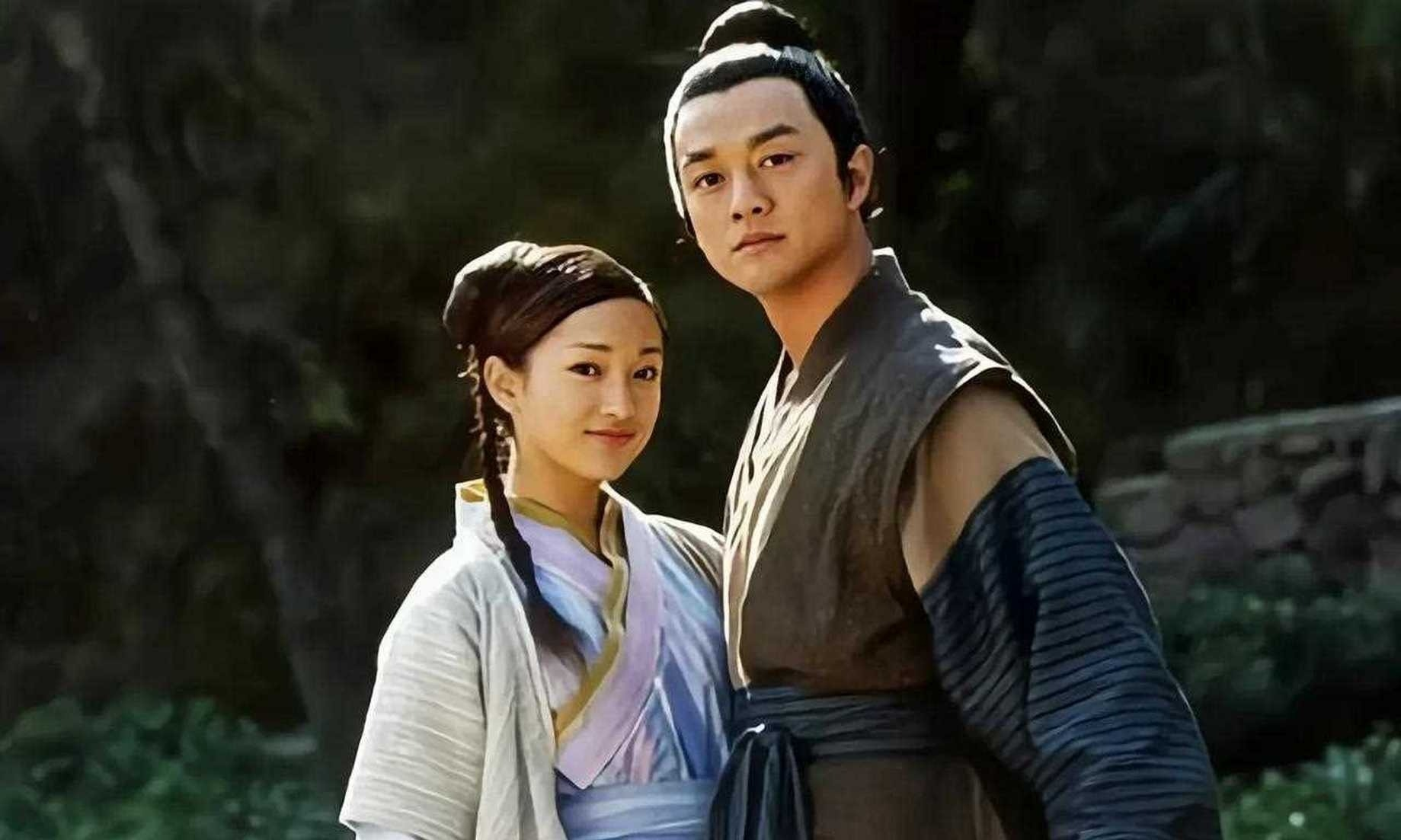
So why can Guo Jing face hundreds, while Xiao Feng, considered the pinnacle of martial arts, cannot? The answer lies in the differences in their fighting styles and inner strength.
The “one against many” standard in martial arts isn’t always realistic.
Looking at Jin Yong’s works, some characters possess almost unreal powers.
For example, A Thanh in “The Vietnamese Female Swordsman” can single-handedly defeat thousands. Descriptions like “sword energy roaring, no one can resist” go beyond normal martial logic, leaning more into fantasy.
This shows not every one-against-many fight can be used as a fair comparison.
Inner Power Systems: Endurance vs Explosive Strength
The key difference is their “energy source” inside.
Guo Jing: Thanks to training in the Nine Yin Manual, Guo Jing’s inner strength constantly regenerates. In long battles, he’s like a self-recharging machine, growing more durable the longer he fights, letting him hold his ground against countless enemies.
Xiao Feng: His inner power is explosive and overwhelming. However, he lacks a method to continuously restore his energy. When facing huge numbers, he quickly exhausts himself after powerful initial strikes.
Guo Jing, The True Endurance Fighter
As the main character of “The Legend of the Condor Heroes,” Guo Jing has a well-rounded martial foundation.
He not only masters Central Plains martial arts but also:
– Is skilled in horseback riding and Mongolian archery
– Wields the Dragon Subduing Eighteen Palms
– Has mastered the Nine Yin Manual
His greatest strength isn’t explosive power but stamina, resilience, and long-lasting combat ability.
In the story, he:
Holds off large enemy forces while defending Xiangyang, standing firm even when surrounded by dozens or hundreds.
It’s even said that only a handful of people could beat Guo Jing one-on-one.
Xiao Feng, The Short Burst Battle God
On the other hand, Xiao Feng, the hero of “Demi-Gods and Semi-Devils,” represents the explosive power type.
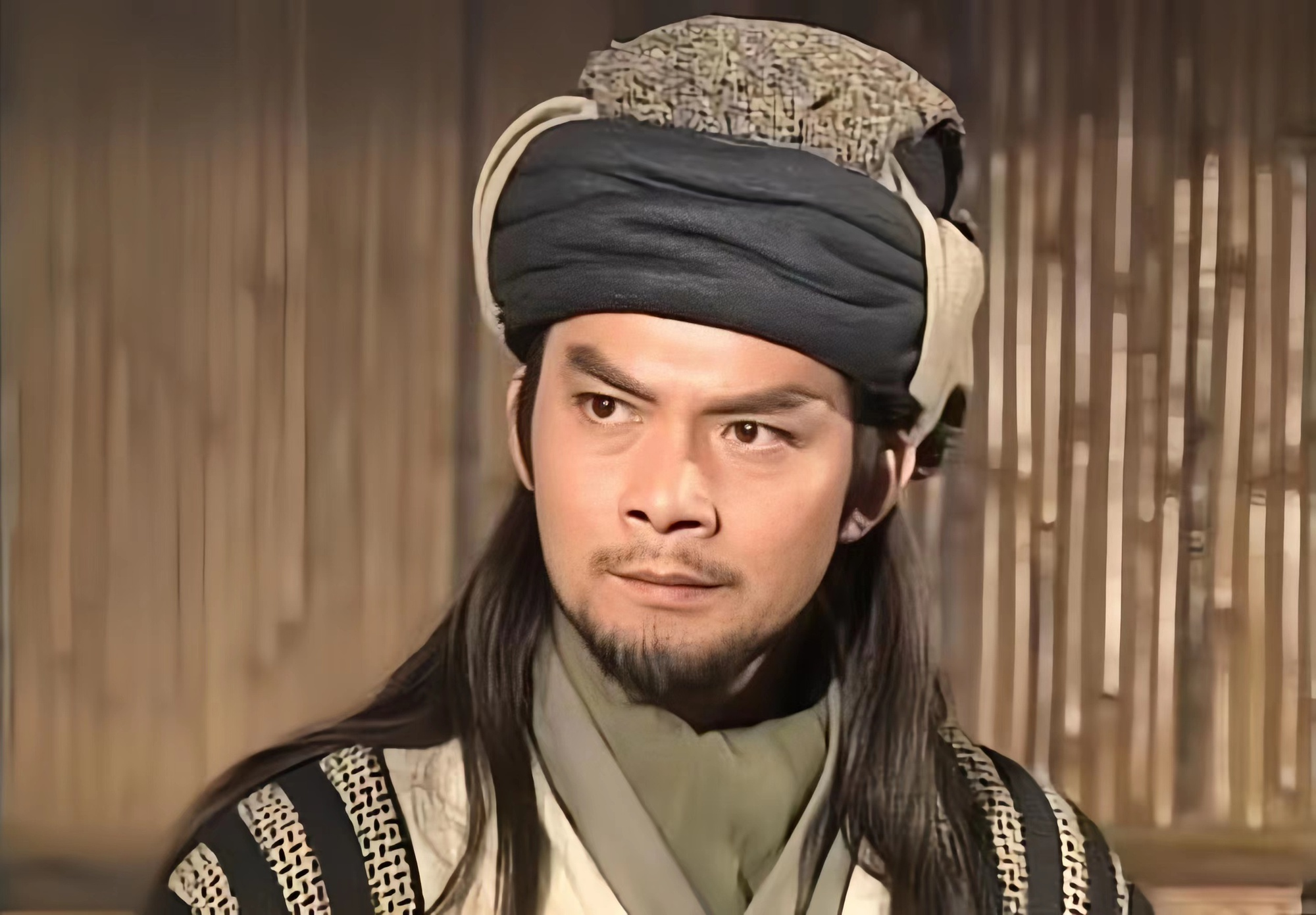
He has deep inner strength and powerful moves, especially his Dragon Subduing Eighteen Palms with massive force.
In real fights:
Xiao Feng can dominate multiple top fighters alone, each strike highly damaging.
But when surrounded by large numbers:
The fight quickly drains his energy. It’s hard to maintain stamina for long.
In the original story, Xiao Feng still holds the upper hand against many opponents but can’t sustain it. If enemies increase, the situation worsens.
Mindset: Battlefield General vs Martial Hero
The final key is experience and combat thinking:
Guo Jing: A true general who spent half his life defending Xiangyang. He deeply understands formations, movement, and coordination to defeat large enemy forces on big battlefields.
Xiao Feng: Essentially a wandering hero. His strength lies in one-on-one duels or small groups. When surrounded by organized armies with shields and spears, his explosive style struggles with space and endurance.
It’s not that Xiao Feng is weaker, but Guo Jing’s skills are made for “few against many” battles. Xiao Feng symbolizes short-term destructive power, while Guo Jing is a “mobile fortress” with lasting endurance on the battlefield.
Source: Sohu

