

4K screens are usually the priciest option on laptops, often reserved for top-tier models. But for some users who splurge on this “premium” feature, it can cause more headaches than benefits, just like the guy in the post below.

The post quickly racked up thousands of interactions and hundreds of comments within days.
Alongside sympathetic and playful comments like “young and naive” or “fresh meat,” netizens heatedly discussed the common issues of buying a compact 13-inch laptop with a 4K screen.

The post sparked lots of feedback about the downsides of using high-resolution screens on laptops.
Battery drain was the biggest complaint. Since 4K screens have way more pixels than Full HD, they naturally demand more power. This seriously impacts user experience on slim, portable laptops that prioritize long battery life.
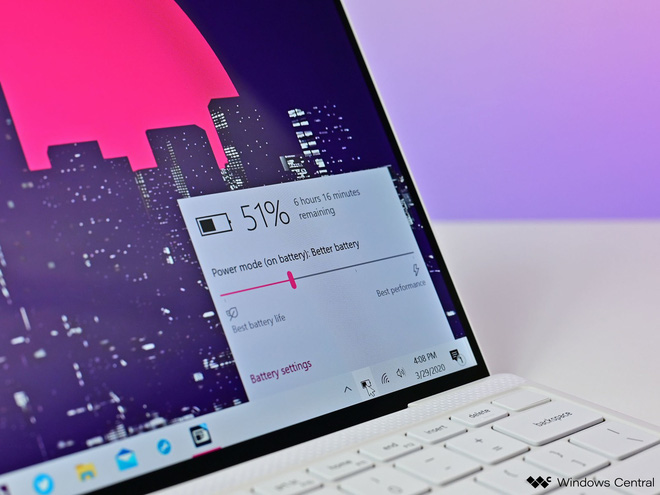
Another issue with 4K screens on laptops 13 inches or smaller is usability. The screen is just too small to comfortably view text and icons. You can increase the scaling in Windows, but Microsoft’s system still struggles with this. Users report blurry details and some apps not displaying properly, which are common complaints in the post.
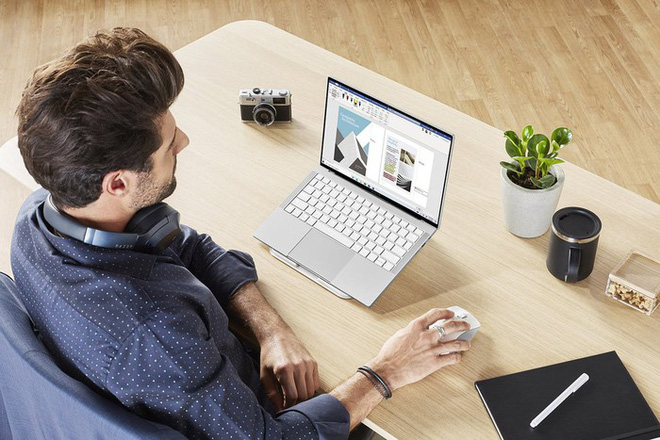
System performance can also take a hit if you pick a compact laptop with a high-res screen. Most ultrabooks use Intel’s U-series processors with integrated GPUs, which offer moderate power. Handling the huge number of pixels in 4K can cause lag and stuttering in some cases.

Still, some users argue that the sharpness and smoothness of a 4K screen are worth it, and you just need time to get used to it.

In the end, choosing a 4K screen on a small 13 or 14-inch laptop means trade-offs. You pay more, lose battery life, and deal with some scaling and performance quirks. But you get crisp, clear visuals that, once you adjust, are hard to give up. So think carefully about your needs before spending on this feature.

