


Banking apps used to be simple tools for checking balances, transferring money, or paying bills. But in recent years, that picture has changed dramatically. Names like MB Bank, Techcombank, Vietcombank, TNEX, Nam A Bank, VIB, and Timo are transforming banking apps into financial super apps with closed ecosystems. Features like expense management, budgeting, savings reminders, and financial habit analysis are now built right in, opening a whole new playing field.
This shift raises a big question: can independent expense tracking apps like Money Lover or Sổ Thu Chi still survive now that banks have entered this space?
Users Are More Connected to Digital Banks Than Ever
According to Visa’s 2023 report, Vietnam leads Southeast Asia in digital payment adoption, with 88% of consumers going cashless for transactions. Online banking transactions in Vietnam hit 90%. MB Bank is a prime example, reporting that 96.7% of its transactions in 2023 were done through digital channels.
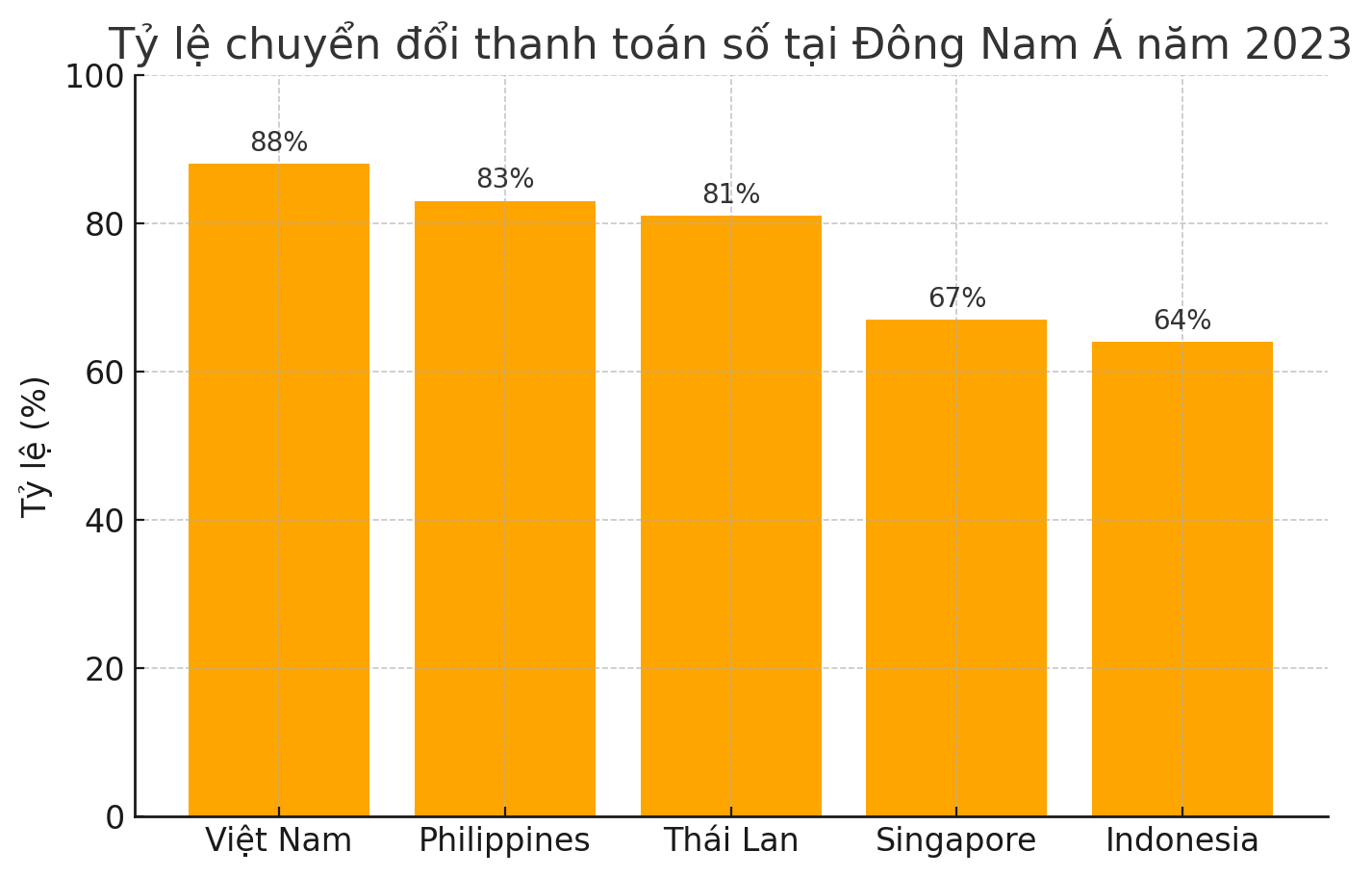
These numbers show that users no longer open banking apps just to transfer money. They use them daily to pay bills, top up phones, save money, invest, and even buy insurance, all within a single platform.
This high level of engagement gives banks a big advantage as they expand into personal finance management.
How Banking Super Apps Work
A banking super app goes beyond financial services. Techcombank and Vietcombank add features like automatic expense categorization, goal-based budgeting, regular savings reminders, and clear financial reports. MB Bank has integrated many mini apps covering everything from payments and investments to booking flights and hotels.
Other banks like TNEX, Nam A Bank, VIB, and Timo offer exciting features to attract users. TNEX lets users set spending limits, track financial charts, and get alerts when overspending.
Nam A Bank includes transaction notes and financial balance reports directly in its Open Banking app.
VIB’s MyVIB app makes expense management a core part of the user experience. Timo, a digital bank under BVBank, even combines expense tracking with smart investment planning to create a more comprehensive financial ecosystem.

The technology behind these features includes MCC codes to automatically identify spending categories, keyword analysis to classify expenses like dining or shopping, and AI machine learning to improve accuracy over time. With widespread e-invoicing, banks can almost fully automate expense categorization without manual input.
Independent Expense Apps Face Being Swallowed Up
Banks pushing hard to integrate expense management puts standalone apps under serious pressure. Average users who just want a simple tool to track spending have little reason to download extra apps when everything’s already built into their banking app. When people open their banking app multiple times daily, expense management features naturally become part of their routine without extra effort.
But the market isn’t completely closed to specialized expense apps. Their strength lies in analyzing data from multiple sources, bank accounts, e-wallets, and investment tools, while offering more detailed reports and long-term financial planning that banking apps haven’t fully mastered yet.
Some expense apps are also moving toward partnerships with banks, integrating as add-ons instead of competing head-on.

The shift from pure financial apps to super apps shows the market’s inevitable trend. As transaction data and AI analysis improve, banks will increasingly dominate personal finance management.
If independent expense apps don’t innovate quickly, they risk losing market share. On the other hand, by leveraging their specialized strengths and collaborating smartly with banks, they still have a chance to carve out a place in this new financial ecosystem.
The Better Choice Awards is a prestigious national annual event organized by VCCorp Joint Stock Company in partnership with the National Innovation Center, under the guidance of the Ministry of Finance. This year’s theme is “Breaking Through” with the spirit of “Proudly Vietnam,” celebrating innovation and overcoming old barriers.
With personal finance seeing major advancements, from digital banking and fintech to insurtech, the Consumer Finance Awards category was created to recognize and encourage financial initiatives focused on individual users. This category offers a respected platform where outstanding financial organizations and products compete fairly while promoting smart financial solutions that improve people’s lives.
The awards will launch in early August and conclude in October 2025. Registration opened on July 24, 2025. For questions about preparation and submission, contact 093.981.7900 or email [email protected] (Ms. Vi Hanh).