

After years in the industry, big game companies usually know which games will succeed and which will fail. They then develop games that follow player trends.
But some studios choose to break the mold instead, daring to go their own way and deliver groundbreaking, creative games. In part one, we covered five standout titles from the top 10 legendary games that shattered all the rules. Now, let’s keep going!
Spec Ops: The Line
This game has been discussed a lot, so many of you might already be familiar with it. Basically, you play as a soldier shooting hundreds of enemies and using every means to take down the villain. But the game hits you hard by revealing that our main character is actually the villain, driven by hallucinations that cause his actions.
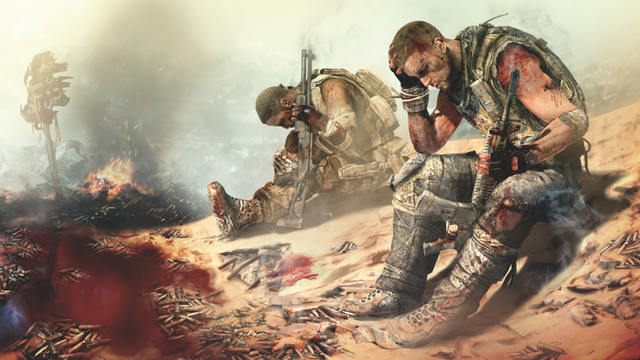
You don’t realize this early on because at first glance, Spec Ops: The Line looks like any other third-person shooter. You control a soldier who shoots enemies to complete missions. When it launched, no one expected this seemingly typical shooter to carry deep messages about violence and the psychological consequences of war.
Resident Evil 4
Aside from the main character, Resident Evil 4 is nothing like the earlier entries. Instead of fixed camera angles, tank controls, gothic mansion settings, and zombies, this installment shifted toward action, a complete departure from its predecessors.
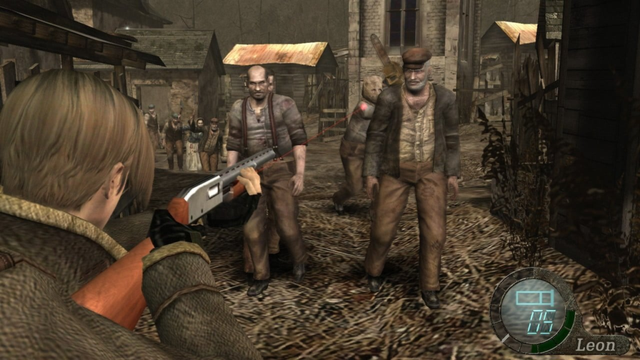
The camera now sits behind the protagonist, and you can zoom in to aim for headshots. Back in 2005, these changes opened up a fresh new world. Nowadays, it feels standard, but at the time it was revolutionary.
Plus, the enemies are both creepy and bizarre. In the second half, you explore a chilling, eerie house that gives you goosebumps. All these elements combine to make this one of the most iconic entries in the horror series.
Metal Gear Solid 2: Sons Of Liberty
When it launched, Metal Gear Solid 2 confused many players. It was highly anticipated as the PS2’s flagship title, with fans eager to see Solid Snake’s next adventure and how the game would look on new hardware.
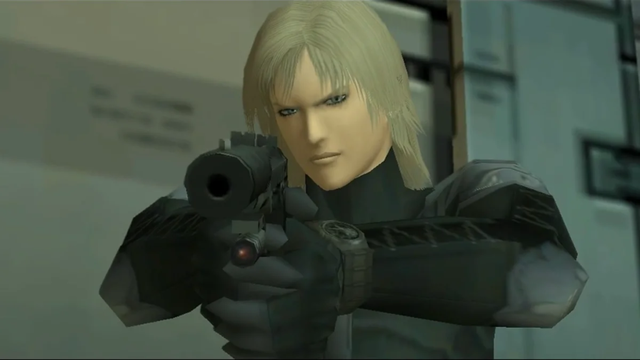
After the prologue, which met player expectations, the developers threw everything out the window by replacing Snake with a brand-new character, Raiden.
The setting also closely resembled the previous game and stayed that way throughout. Years later, players understood this was a critique of fake news and the nature of sequels, issues that are still relevant in today’s media landscape.
The Legend Of Zelda: Breath Of The Wild
When Breath of the Wild embraced open-world gameplay, many worried about its success. At the time, most big franchises were adding sandbox elements, and fans feared Nintendo was just chasing profits, not creativity.
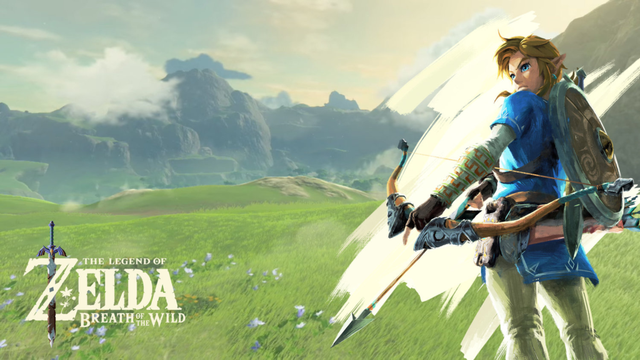
Since The Legend Of Zelda is Nintendo’s flagship series, this shift naturally raised skepticism among longtime fans. Previous games encouraged exploration, but never on this massive scale. Luckily, Breath of the Wild didn’t fall into the usual traps.
Here, players truly feel freedom. You can even try to take down the final boss right away without completing a bunch of quests. The game doesn’t overload you with tasks, but exploring every nook and cranny takes serious time. Other games focus on the end goal, but this one makes the journey the real fun.
Red Dead Redemption 2
Sure, there are other open-world games with diverse missions, fun gameplay, and intense combat. But few match Red Dead Redemption 2’s slow, deliberate pace.
This sequel encourages players to slow down and immerse themselves in the Wild West’s world and society. Sometimes you do nothing but hunt and fish to keep your camp stocked. Other times, you survive harsh wilderness days alone. Overall, the game is meticulously crafted to deliver incredibly authentic experiences through its varied environments.
Source: What Culture

