

In recent years, TikTok has become one of the most popular platforms worldwide, attracting millions of users, especially young people. However, this popularity comes with concerns about inappropriate content, particularly when offensive, violent, or extreme videos go viral on the platform. This raises questions about TikTok’s algorithm effectiveness and responsibility in controlling and distributing content.
The platform’s algorithm is designed to optimize user experience by delivering content based on users’ interests and interaction behaviors. However, in practice, viewers notice that the algorithm tends to prioritize shocking videos to keep users engaged longer. This leads to offensive videos easily gaining popularity, racking up millions of views and interactions.
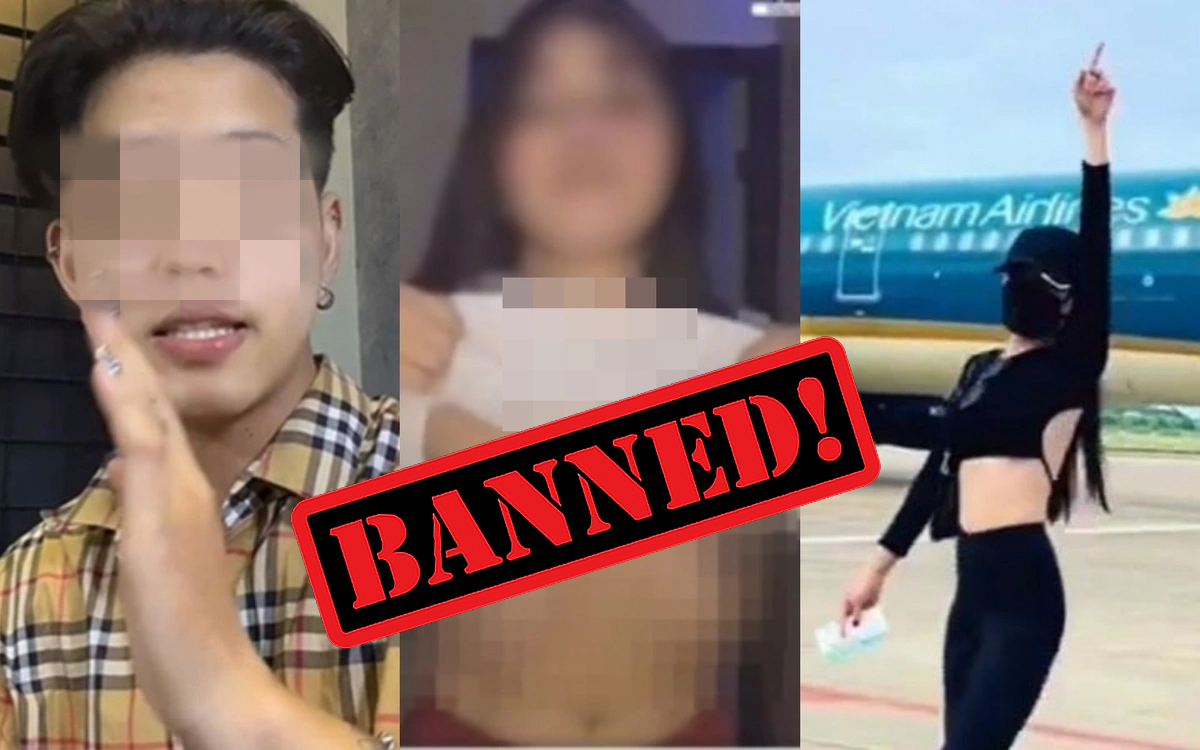
On TikTok, videos are short, usually just seconds to a few minutes long. Creators have to deliver a striking message that can reach a wide audience. This “short but catchy” format creates opportunities for many videos with questionable content to thrive. Numerous videos have sparked backlash, with viewers growing tired and condemning creators who produce inappropriate content.
Recently, a trend gaining attention among young users, especially girls eager to “ride the trend,” involves “pulling down pants to show the waist.” TikTokers perform dances to catchy music while making a move that pulls their pants down low, which many find extremely offensive. This trend has sparked heated debates after these videos went viral.
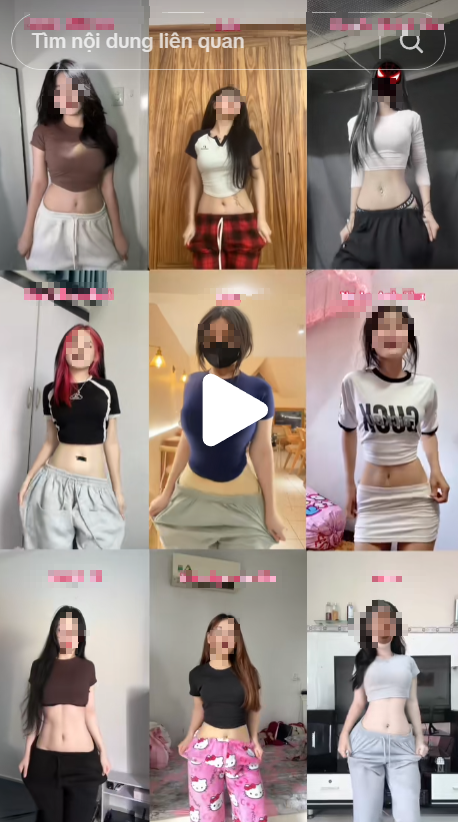

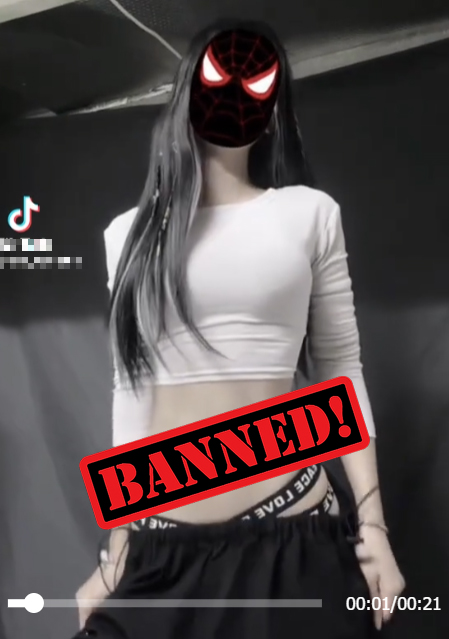
Many TikTok users have expressed concerns that the platform’s algorithm isn’t sensitive enough to detect and block harmful content. Moreover, the algorithm’s preference for shocking videos leaves users feeling exhausted. Instead of seeing positive, educational, or entertaining content, they are constantly faced with annoying and frustrating videos. Users feel their only option to protect their experience is to actively scroll past these videos themselves rather than rely on the platform’s moderation team.

Although TikTok has succeeded in connecting communities and encouraging creativity, issues with its content distribution algorithm and the spread of offensive videos remain. To maintain user trust and ensure a safe online environment, TikTok needs to improve its content moderation system, increase human oversight, and provide users with better tools to control the content they see. Only then can TikTok truly become a healthy and responsible platform for its global community.

