

It was late 2016 when 17-year-old Santana Gutierrez was walking through Fashion Valley Mall, the largest outdoor shopping center in San Diego. As she made her way toward the Apple Store, she had to dodge several pedestrians coming the other way.
But that didn’t stop a teenage girl nearby from glancing over occasionally. Santana was checking out her reflection in the glass storefronts. That day, she wore blue shorts, a burgundy scoop-neck T-shirt, and carried a black canvas backpack.
She noticed her confident shadow striding alongside her, flickering behind the crowds passing by. Then suddenly, something caught her off guard.
The shadow moved toward Santana on its own. It changed outfits, transforming into a girl wearing a red polo shirt, ankle-length jeans, and an ID badge around her neck. Strangely, this shadow introduced herself as Isobel, who worked for the charity Save The Children.
Isobel started explaining the organization’s mission and asked if Santana was interested in donating money or volunteering.
But Santana tuned out everything Isobel said. Her full attention was locked on the face in front of her. For a moment, Santana almost thought Isobel was her reflection stepping out of the mirror.
In real life, they looked like twins.
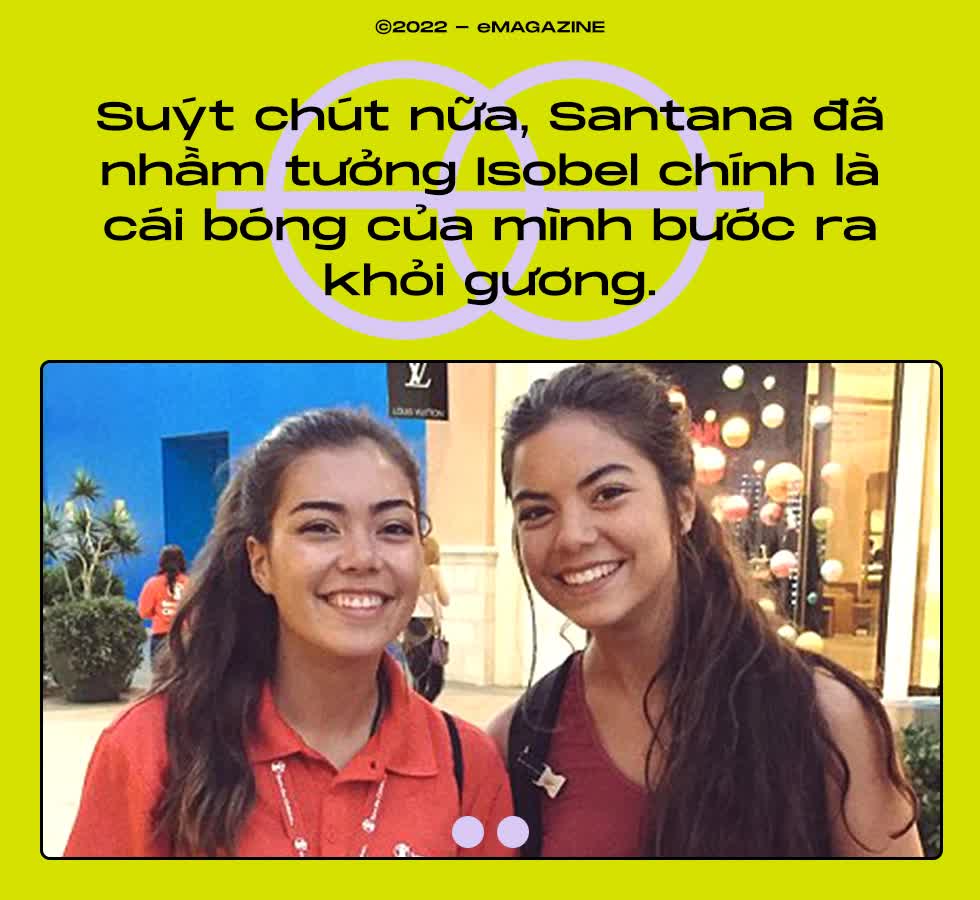
“All I could think was, wow, this girl looks exactly like me,” Santana recalls. Isobel quickly realized it too: “I was thinking the same thing.”
The two burst out laughing, ran to the nearest mirror, and took a selfie together. Santana later posted the photo on Twitter: “Hey everyone, I just met my long-lost twin sister.”
The story of this uncanny coincidence quickly caught on. “Your parents must have some explaining to do,” a friend commented. But what neither girl expected was how fast their photo would spread beyond their circle of friends.
By that evening, Santana’s tweet had over 1,000 retweets. The strangest part was just beginning.
Nearly 20,000 retweets later, two more girls who looked strikingly like Santana and Isobel chimed in with their own photos under Santana’s tweet. The online community then found yet another girl who resembled all four of them in an almost eerie way.
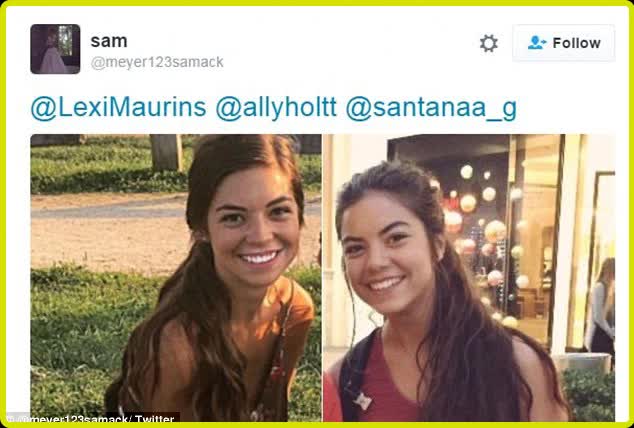
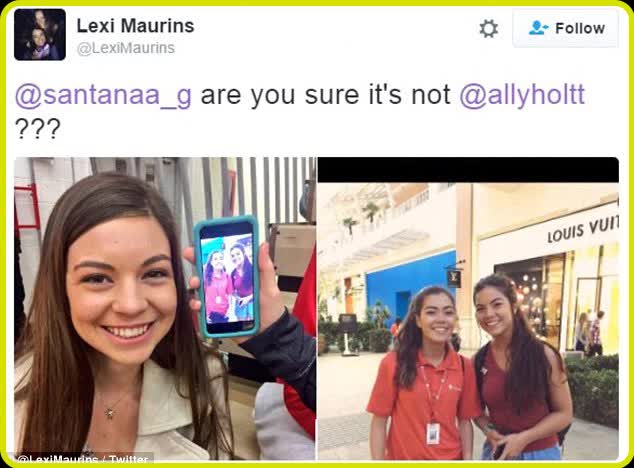
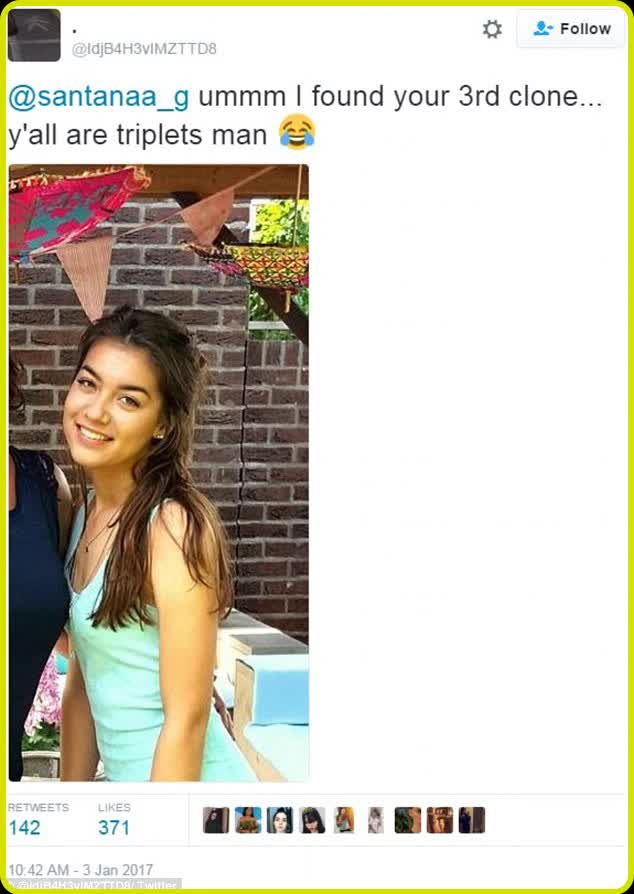
Santana was stunned. She showed the photos to her parents, but both said it was just a coincidence. Santana had no twins or siblings, and none of the girls were related by blood or family ties.
So if these girls didn’t come from some alternate universe, the only explanation left was that all five were doppelgängers, a rare phenomenon where unrelated people look almost identical.
The word doppelgänger comes from German, combining Doppel (double) and Gänger (walker), meaning “a double who exists alongside you but has no family connection.”
According to Merriam-Webster, the term was first used in 1796 by writer Jean Paul in his novel Siebenkäs, where the main character swaps identities with a lookalike friend.
Though the word is relatively modern, legends of doubles date back thousands of years. Ancient Egyptians called these lookalikes “ka,” spirits sharing the same body and often seen as bad omens.
In China, such doubles were called “ying zi.” In history, doubles resembling emperors were brought to the palace and trained as body doubles to protect the ruler in emergencies.

In Norse folklore, the “Vardøger” is a doppelgänger who arrives at a place before the person, mimicking their appearance, voice, and even scent. Witnesses claim to see the person before they actually arrive, unaware it’s a Vardøger.
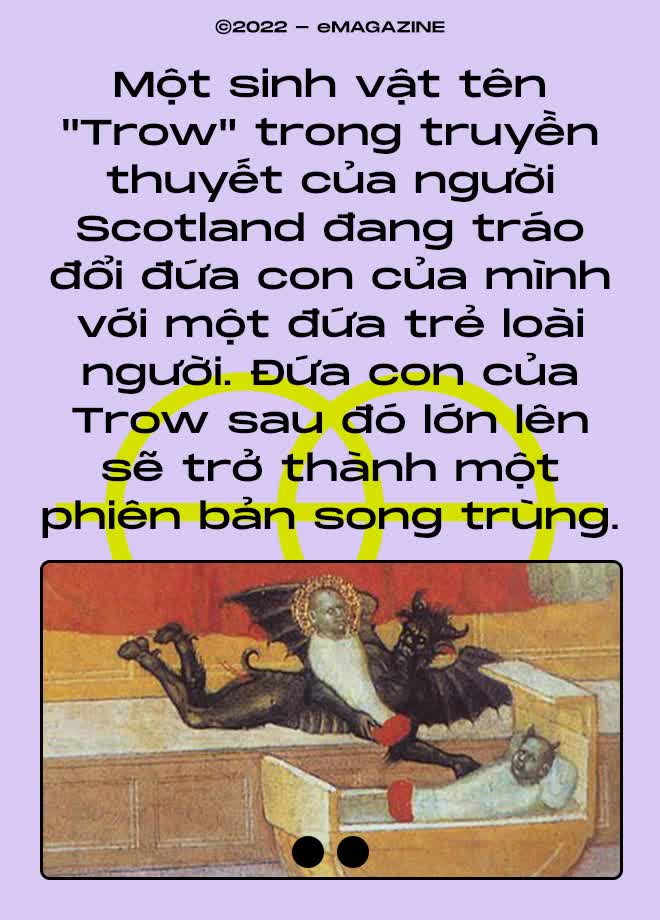
Scottish tales from the Orkney Islands tell of “trow,” supernatural beings who swap their sickly offspring with healthy human babies, growing up as perfect copies of the stolen children.
Many Native American myths also mention doppelgängers, like the Hopi legend of “Children of the Sun and Children of the Water,” representing duality between the living world and the spirit realm.
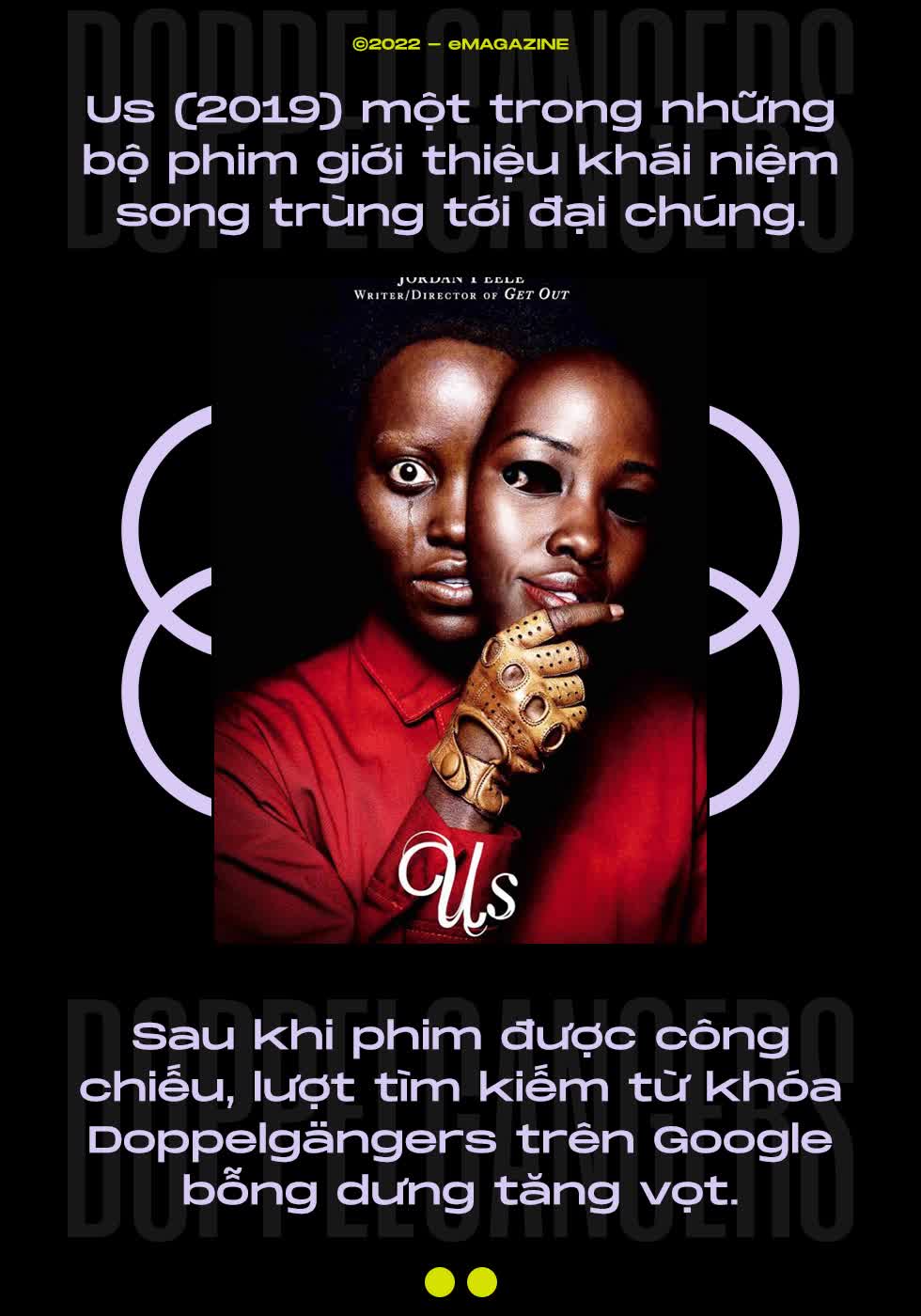
These legends inspired countless modern stories and films. For example, Jordan Peele’s 2019 movie Us features characters hunted by their doppelgängers called “the Tethering.”
This idea traces back to an old Andersen tale where a person’s shadow detaches and becomes a doppelgänger with opposite morals, capable of killing and replacing the original.
After Us premiered, Google searches for “doppelgängers” skyrocketed. Other films exploring this theme, like Denis Villeneuve’s Enemy (2013), Richard Ayoade’s The Double (2013), and Christopher Nolan’s The Prestige (2006), also gained attention.
Books like Stephen King’s The Outsider (2018) and Tana French’s The Likeness (2008) explore doppelgänger themes, as does Bret Easton Ellis’s Glamorama (1998), where the protagonist is replaced by his double.

It’s no coincidence that a supernatural concept like doppelgängers has deep roots in folklore and popular culture. It points to a reality where lookalikes truly exist, and the easiest place to find them is on social media, where billions of photos and videos are shared daily.
In 2021, Taylor Swift’s fanbase, the Swifties, shared a viral TikTok showing her washing clothes by hand. Many assumed she never used a washing machine. But the person in the video wasn’t Taylor.
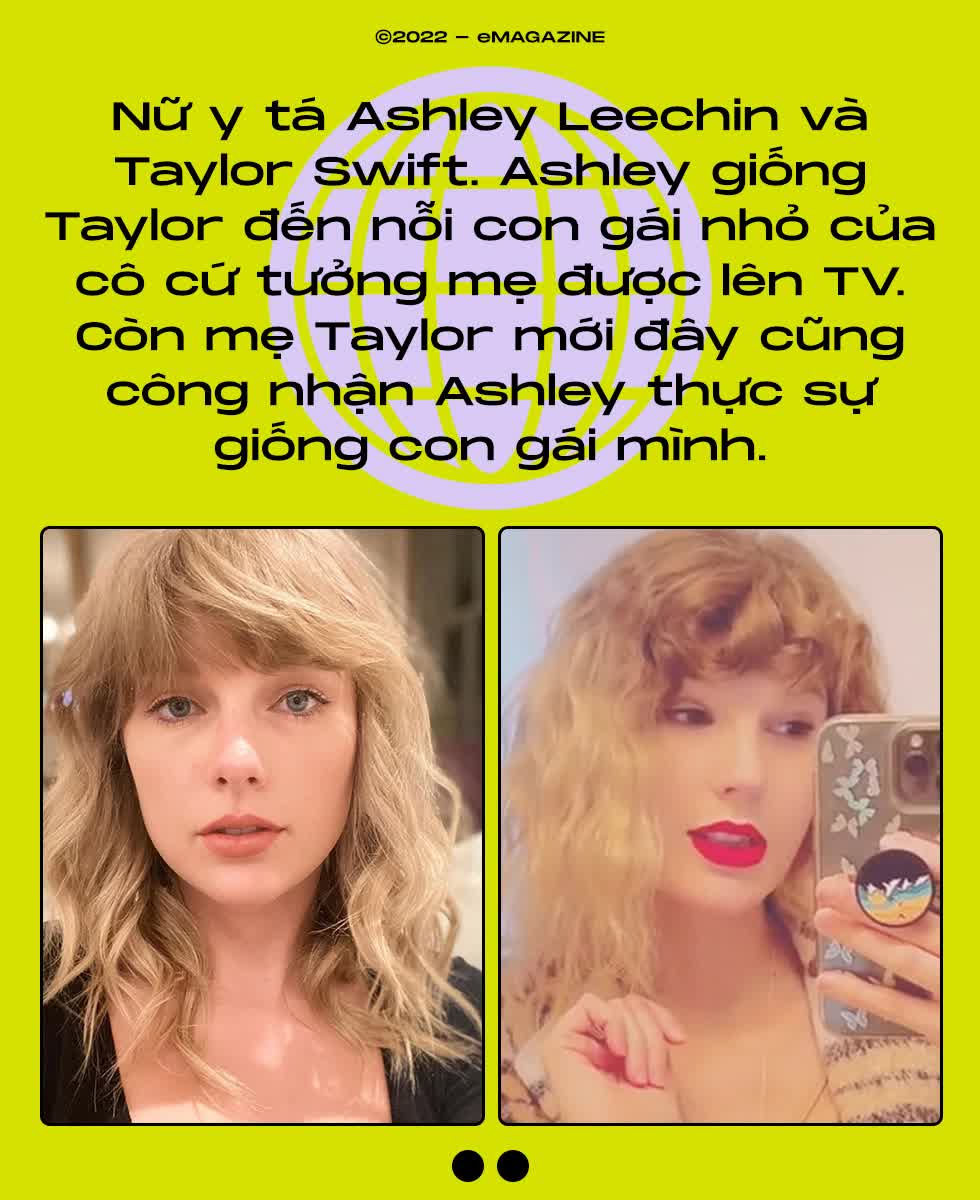
The TikTok belonged to Ashley Leechin, a nurse from Utah who looks so much like Taylor Swift that her daughter once thought her mom was on TV. Hospital patients were often surprised to see her walk into their rooms.
Even Taylor’s own mother admitted Ashley looks just like her daughter, though they’re not related. Ashley is simply Taylor’s doppelgänger.
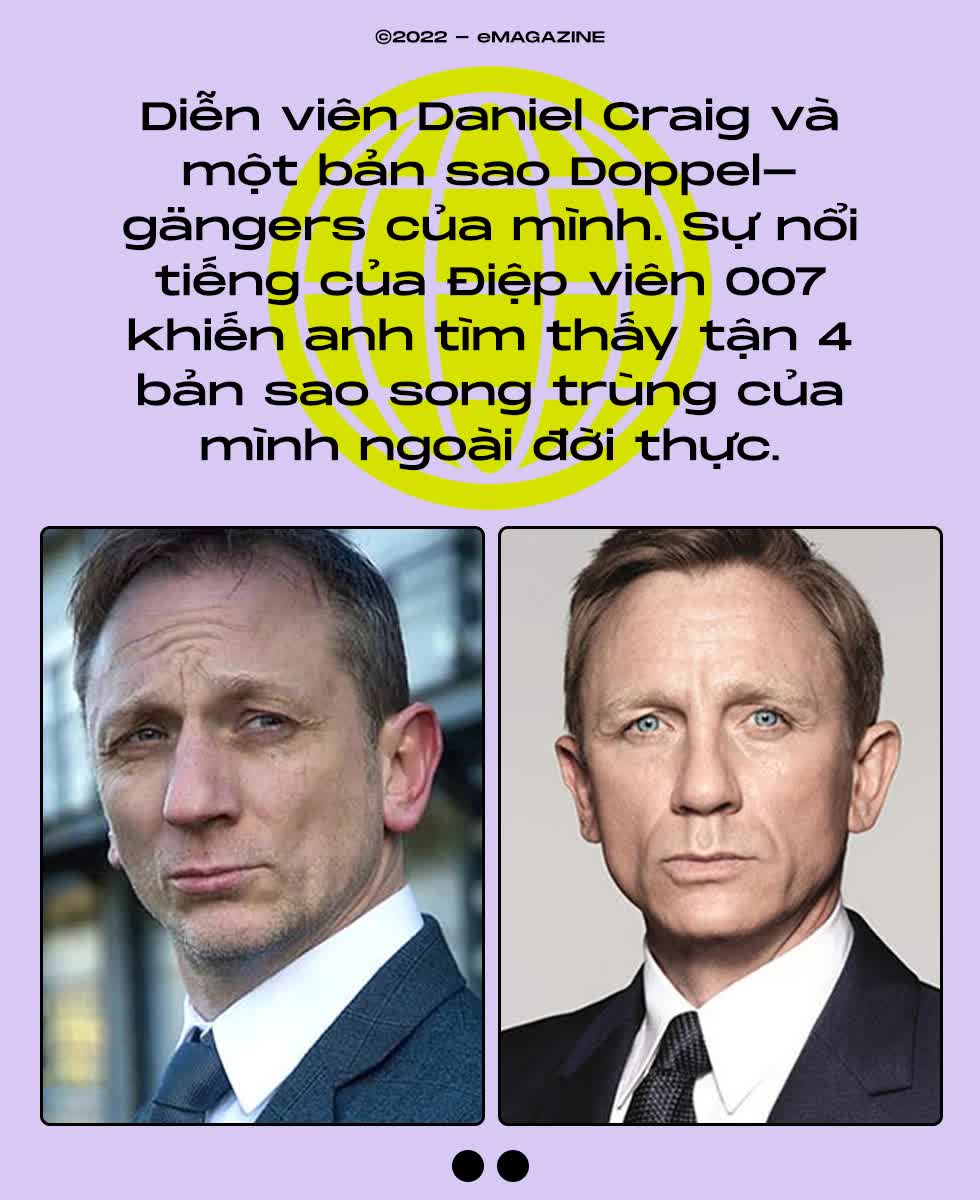
Like Taylor, many celebrities have found their doubles online. The list includes Tom Cruise, Lady Gaga, Johnny Depp, Justin Timberlake, Daniel Craig, Ariana Grande, and more.
Actors, singers, athletes, politicians, and TV hosts often discover doppelgängers because their faces are widely seen in the media.
Search “doppelgängers” plus a celebrity’s name, and you’ll likely find an uncanny lookalike who could build a career as a stunt double on Instagram or TikTok.
Here are some examples:

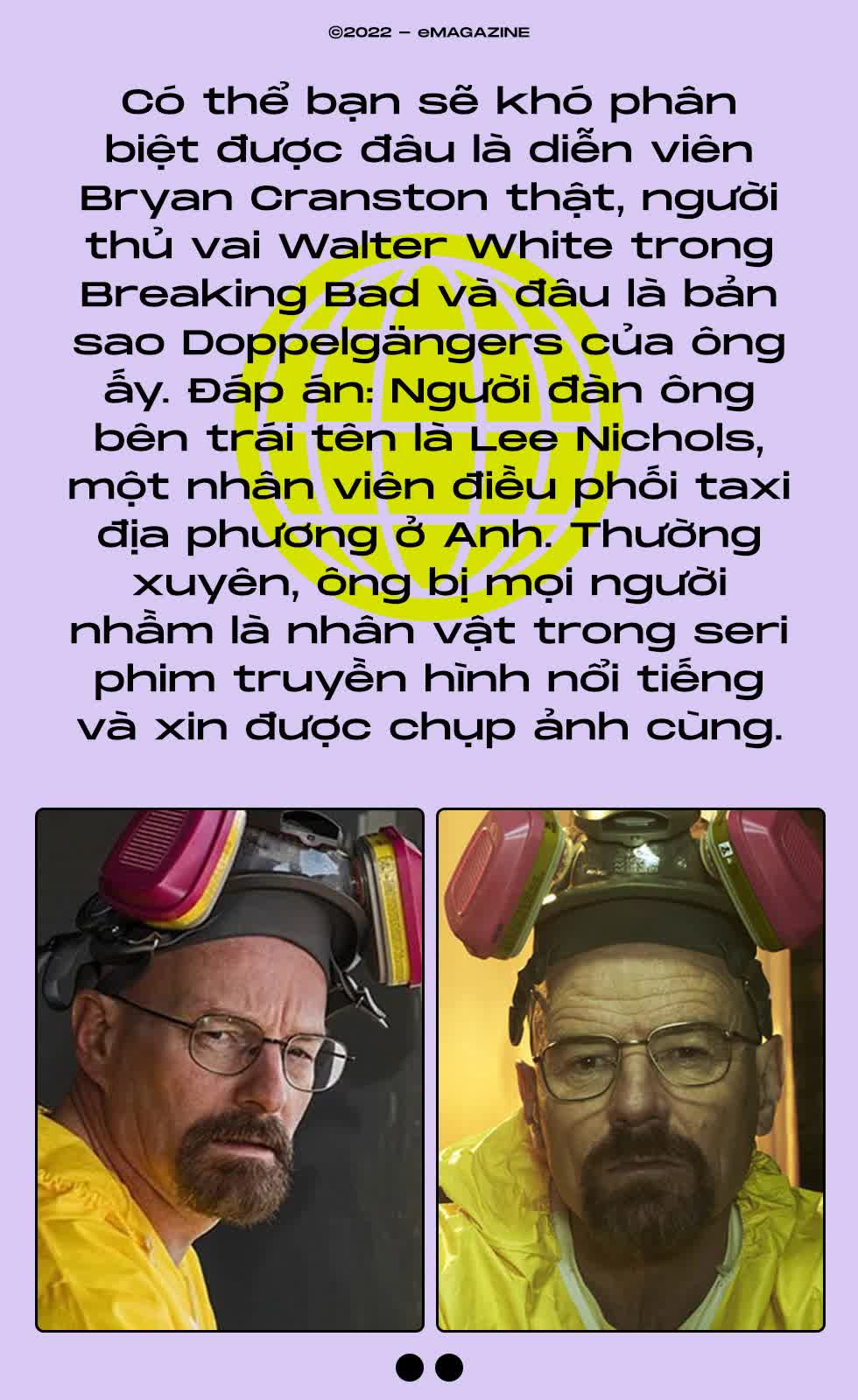
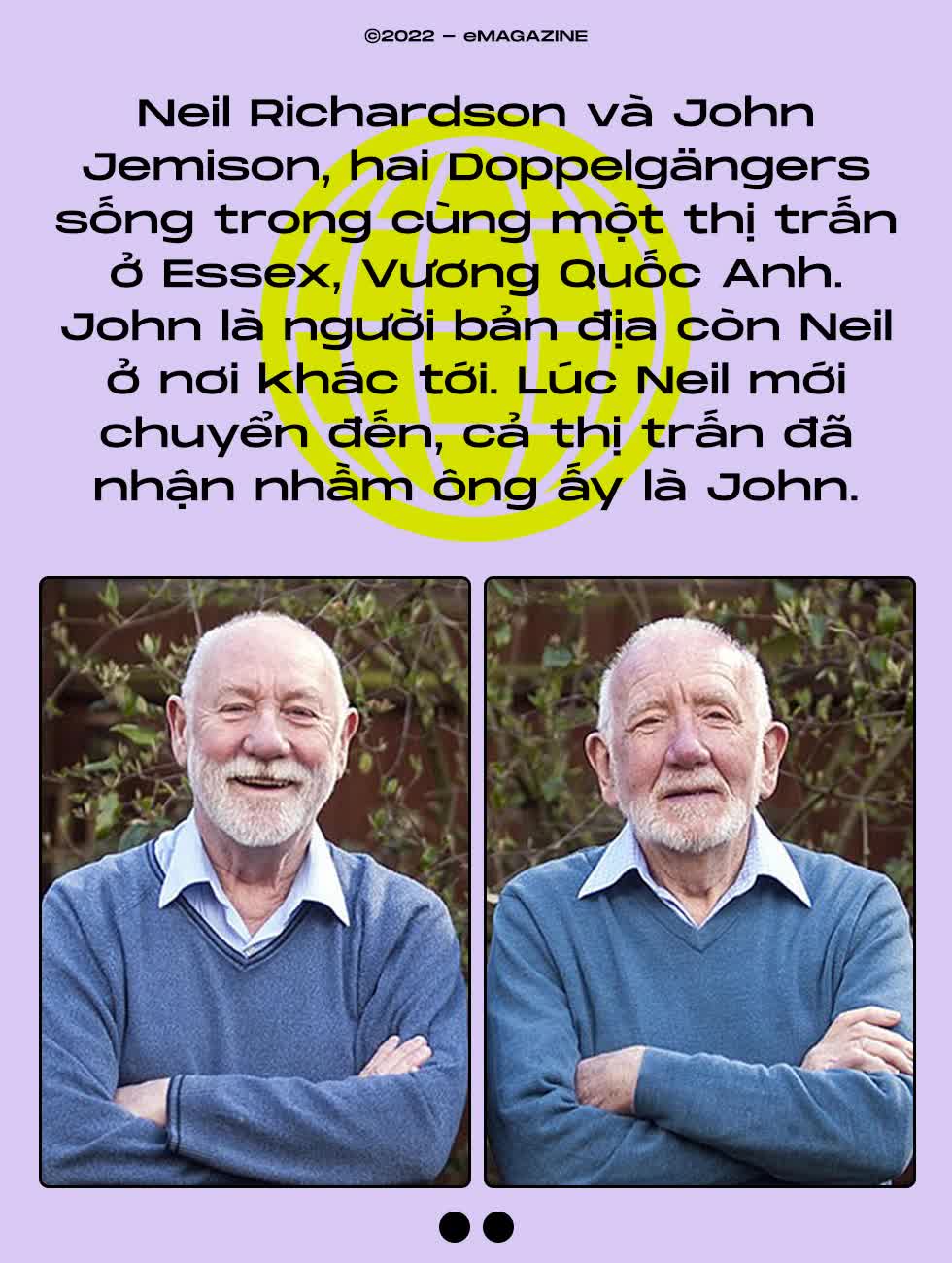
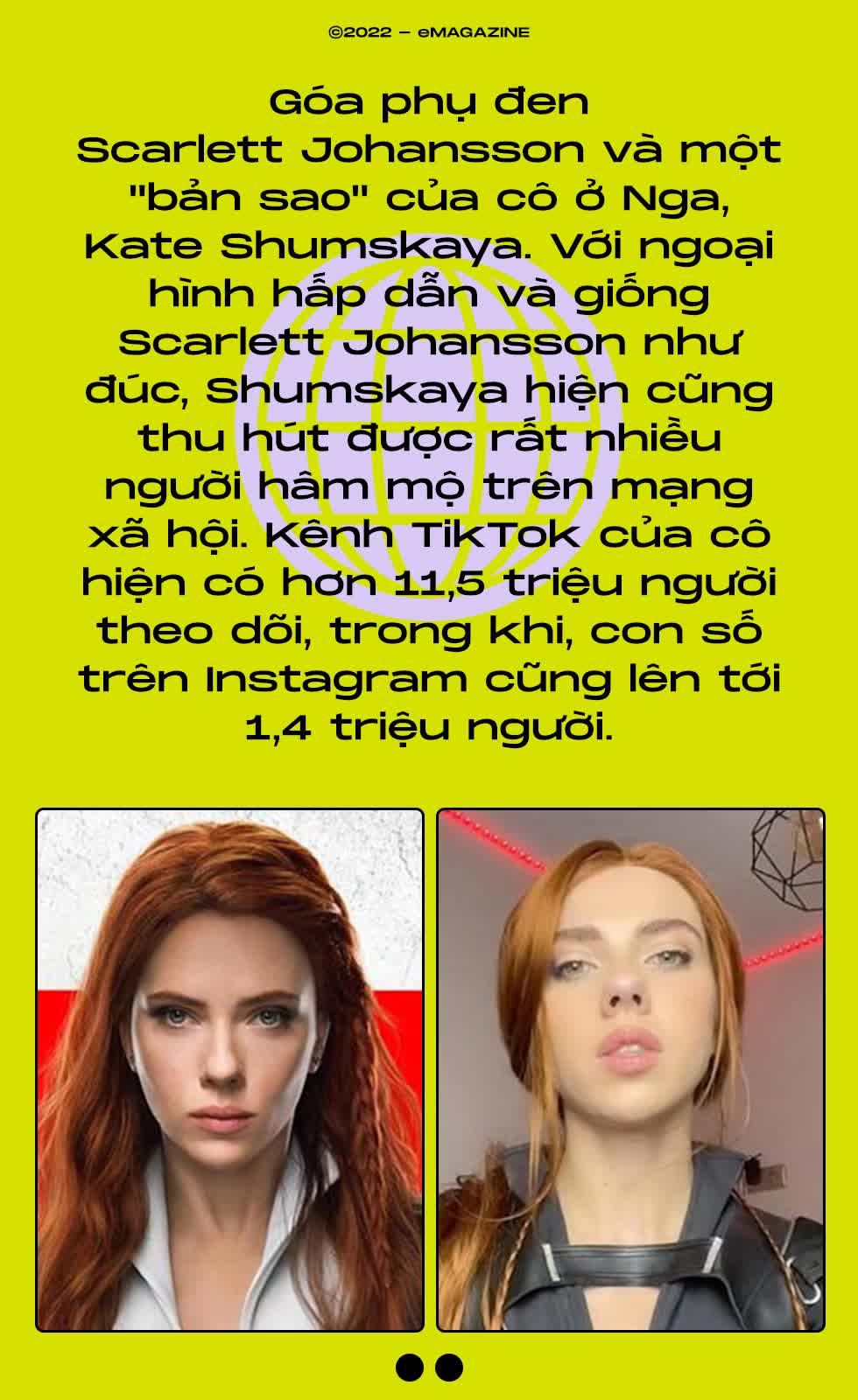
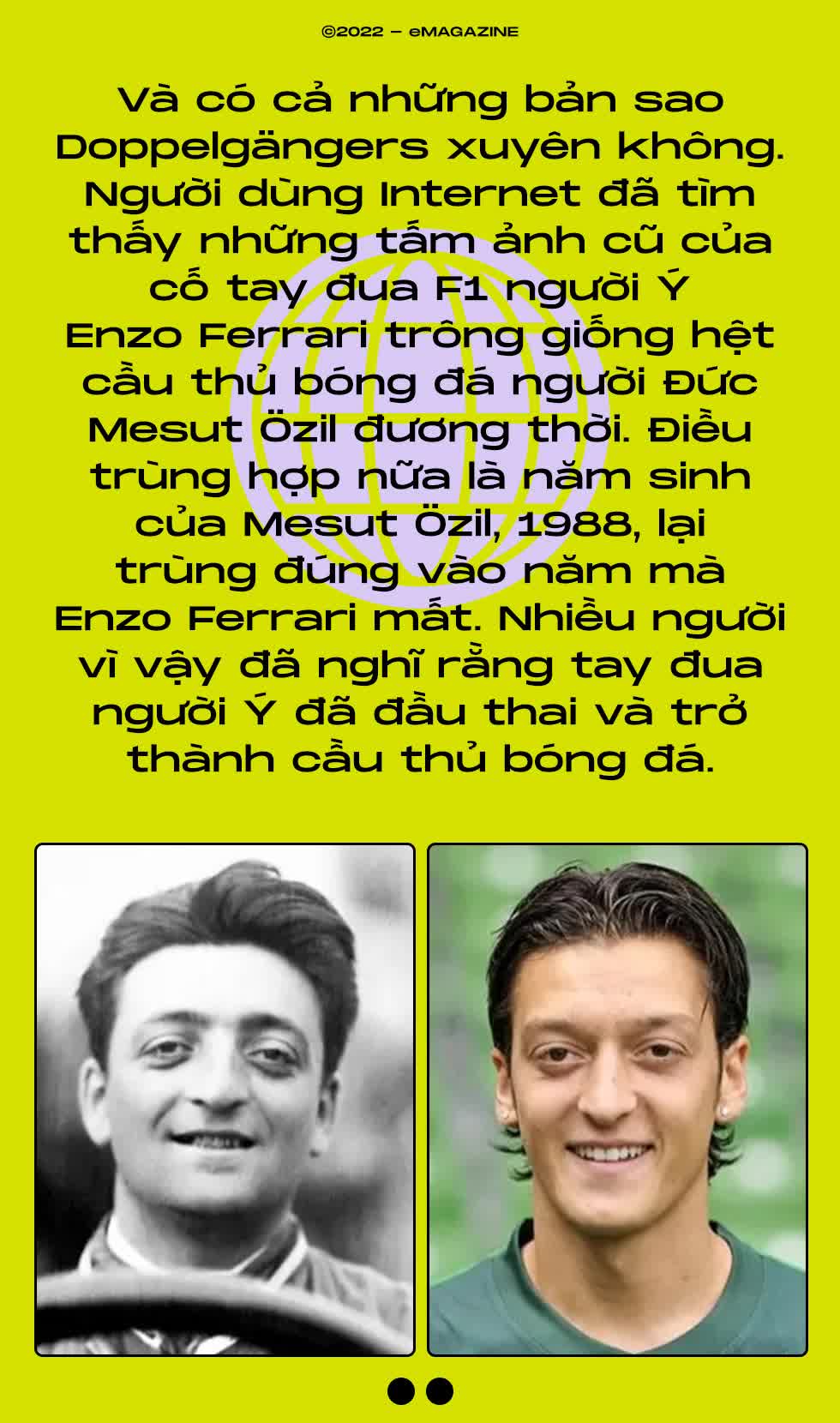
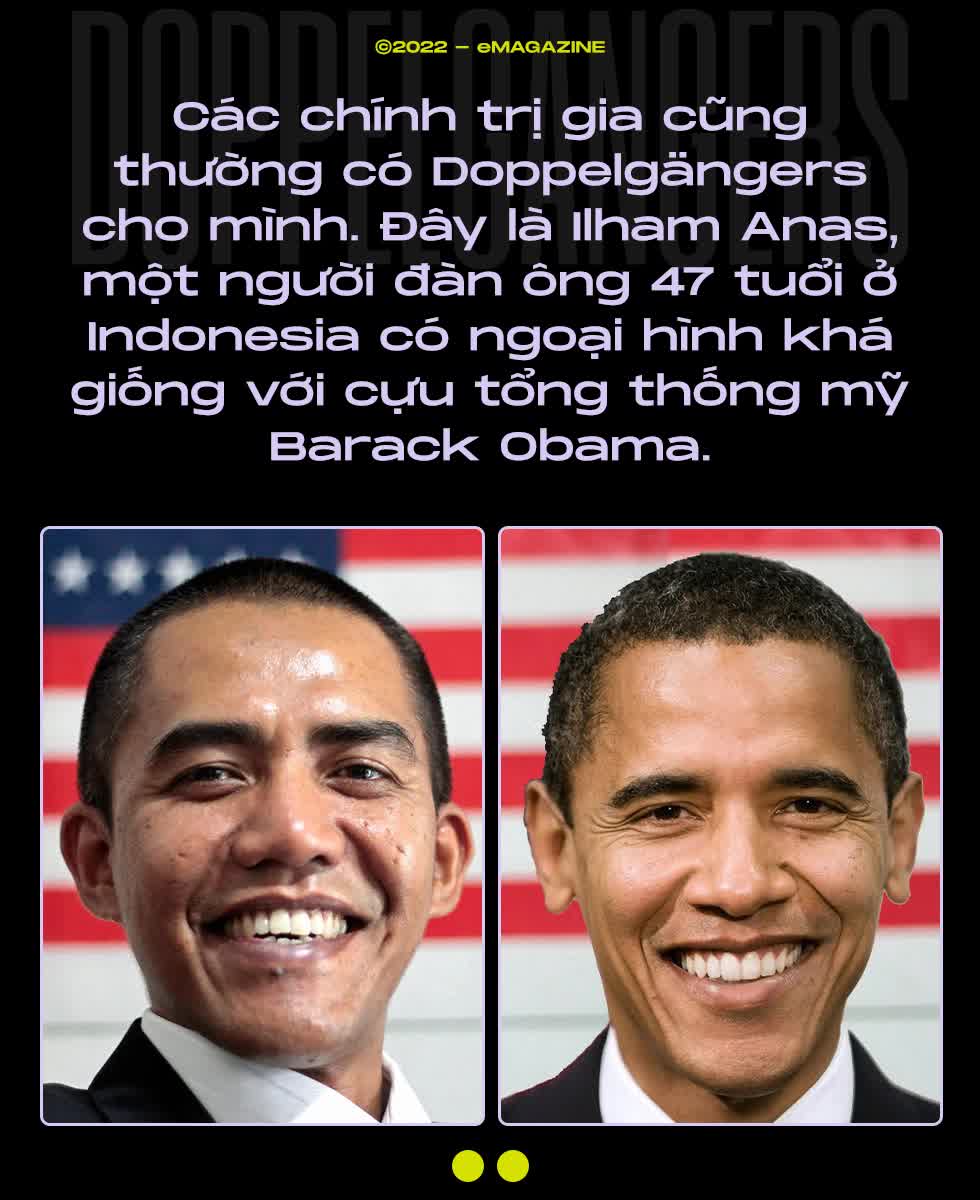
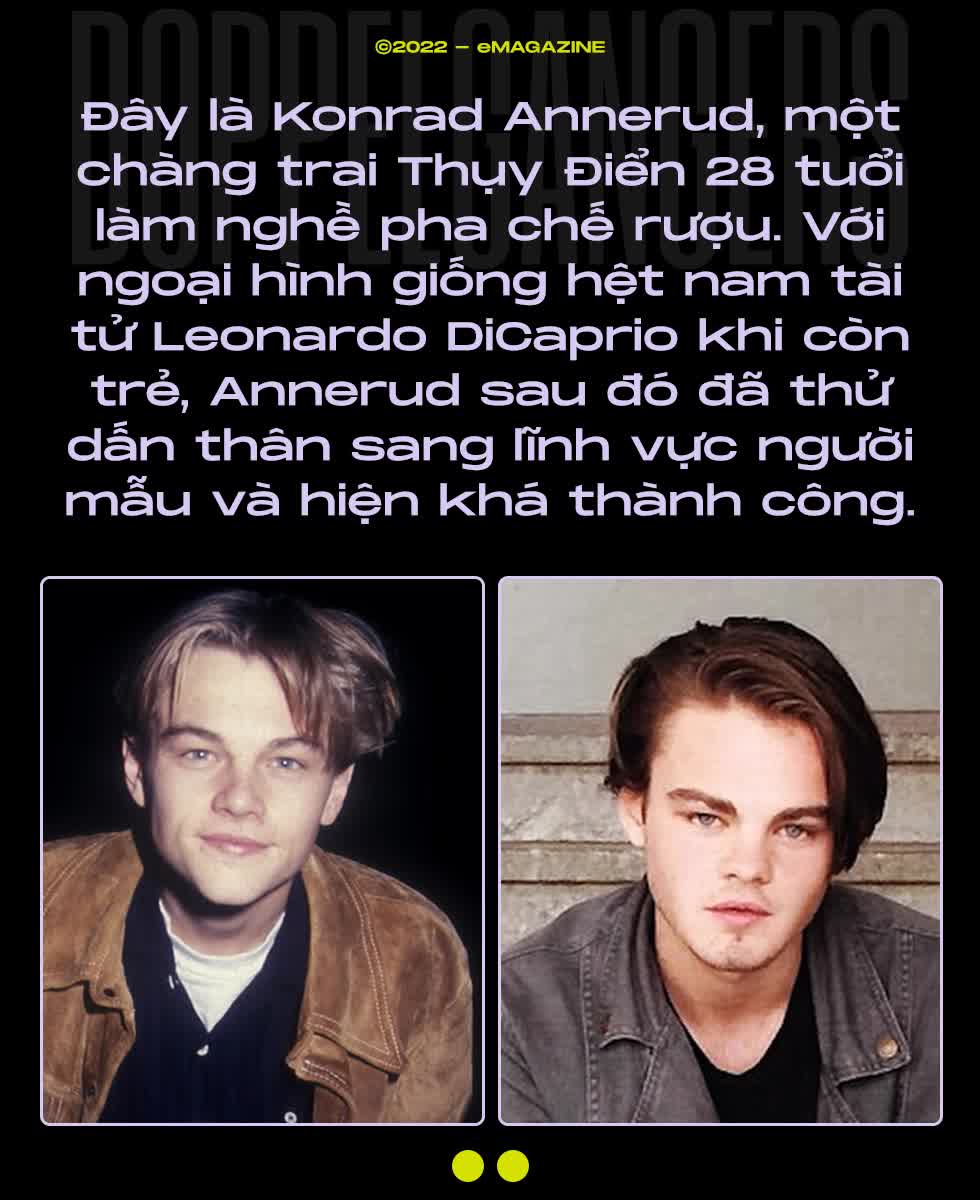
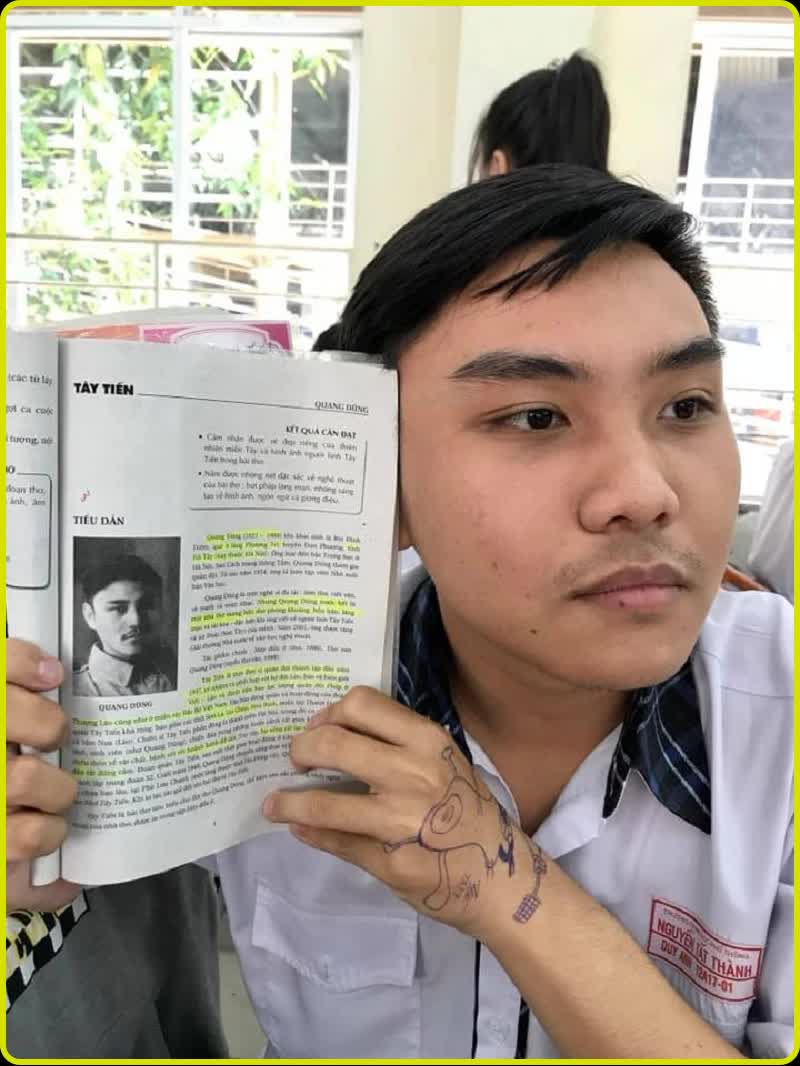
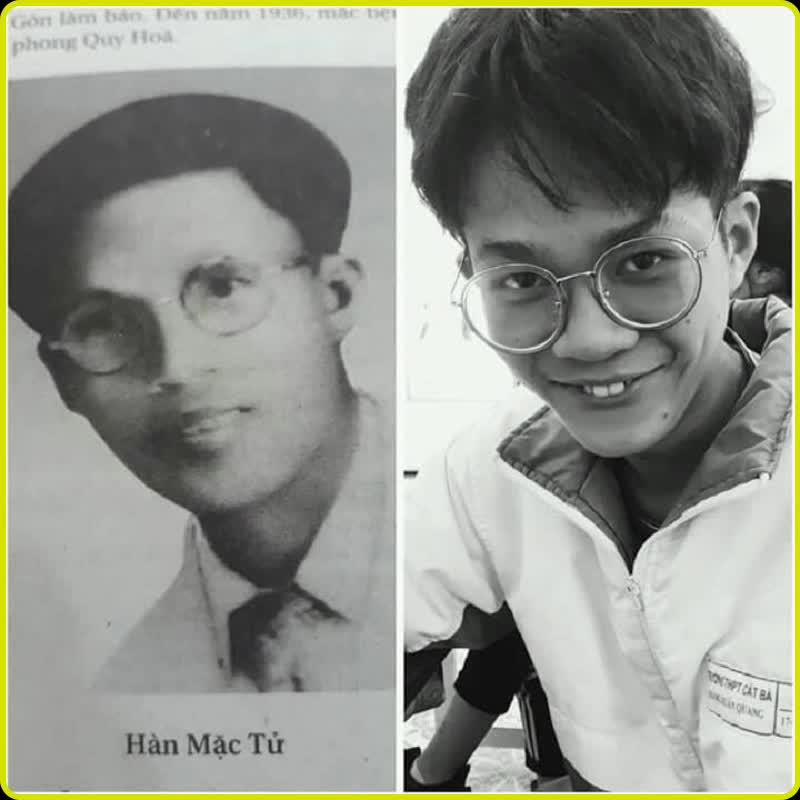
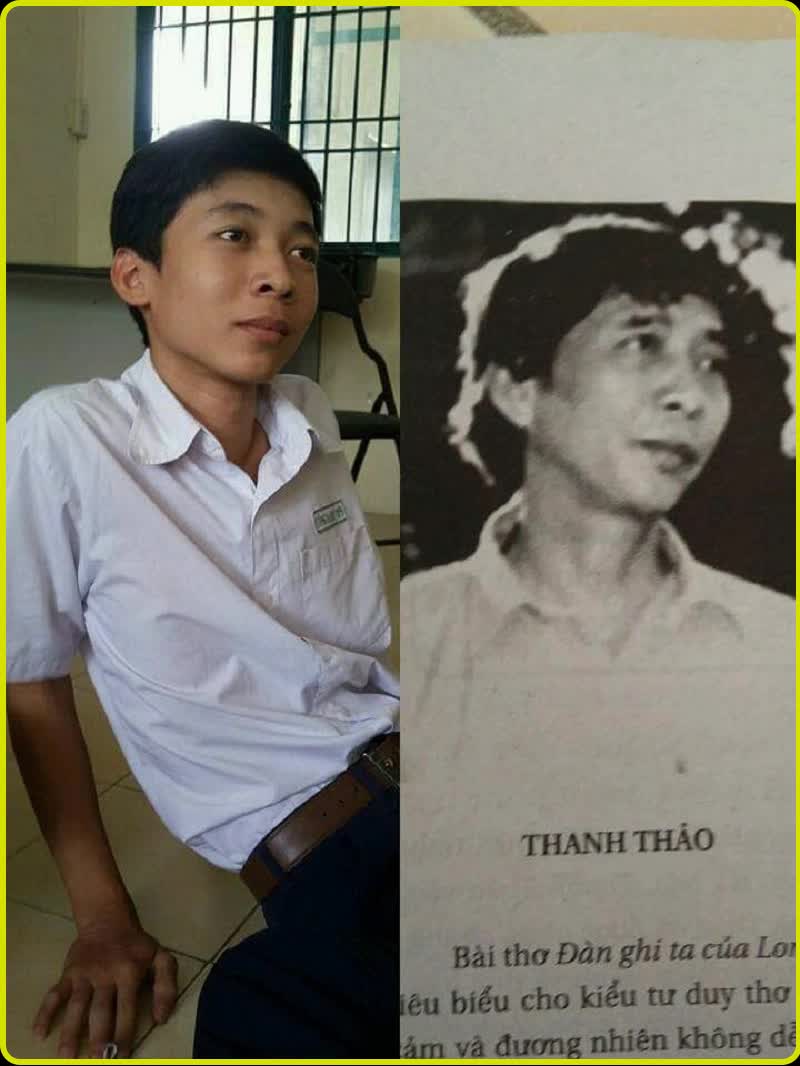
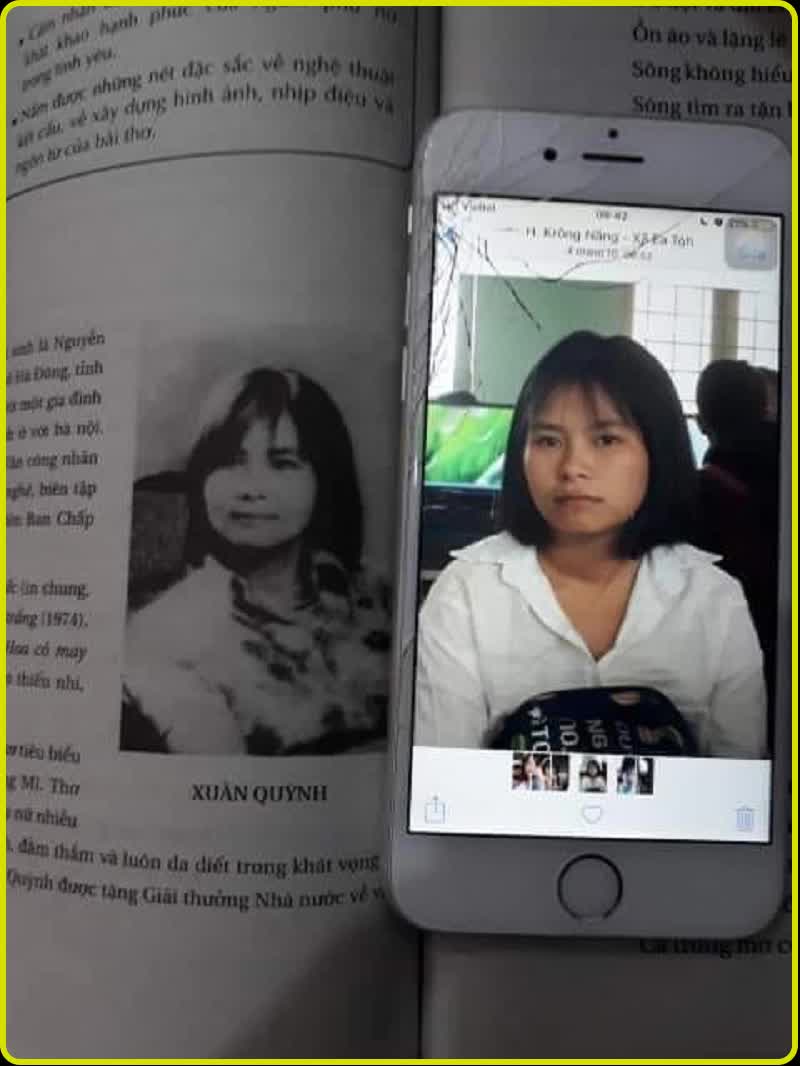
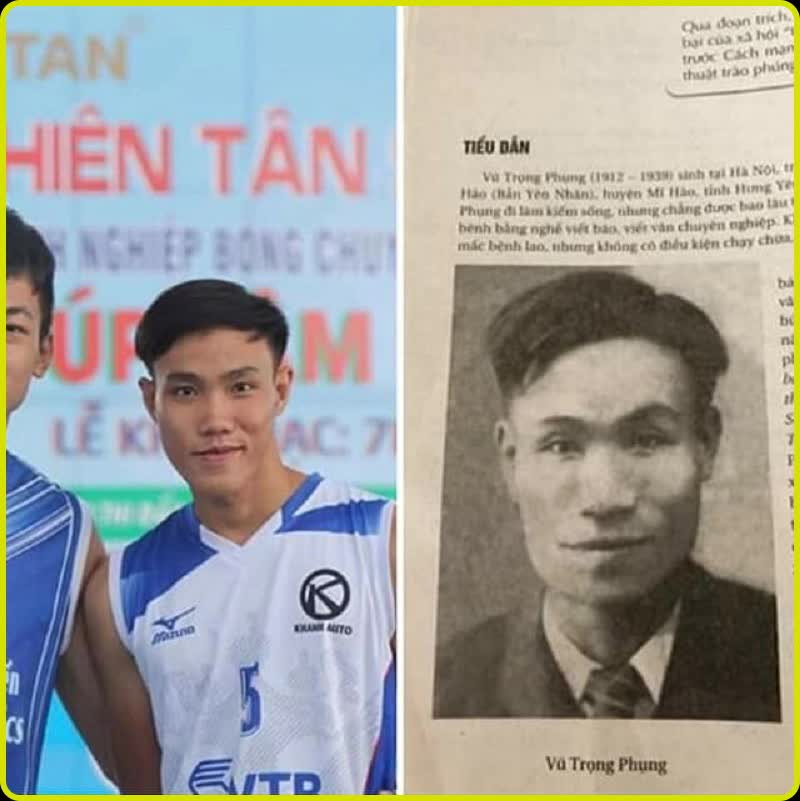
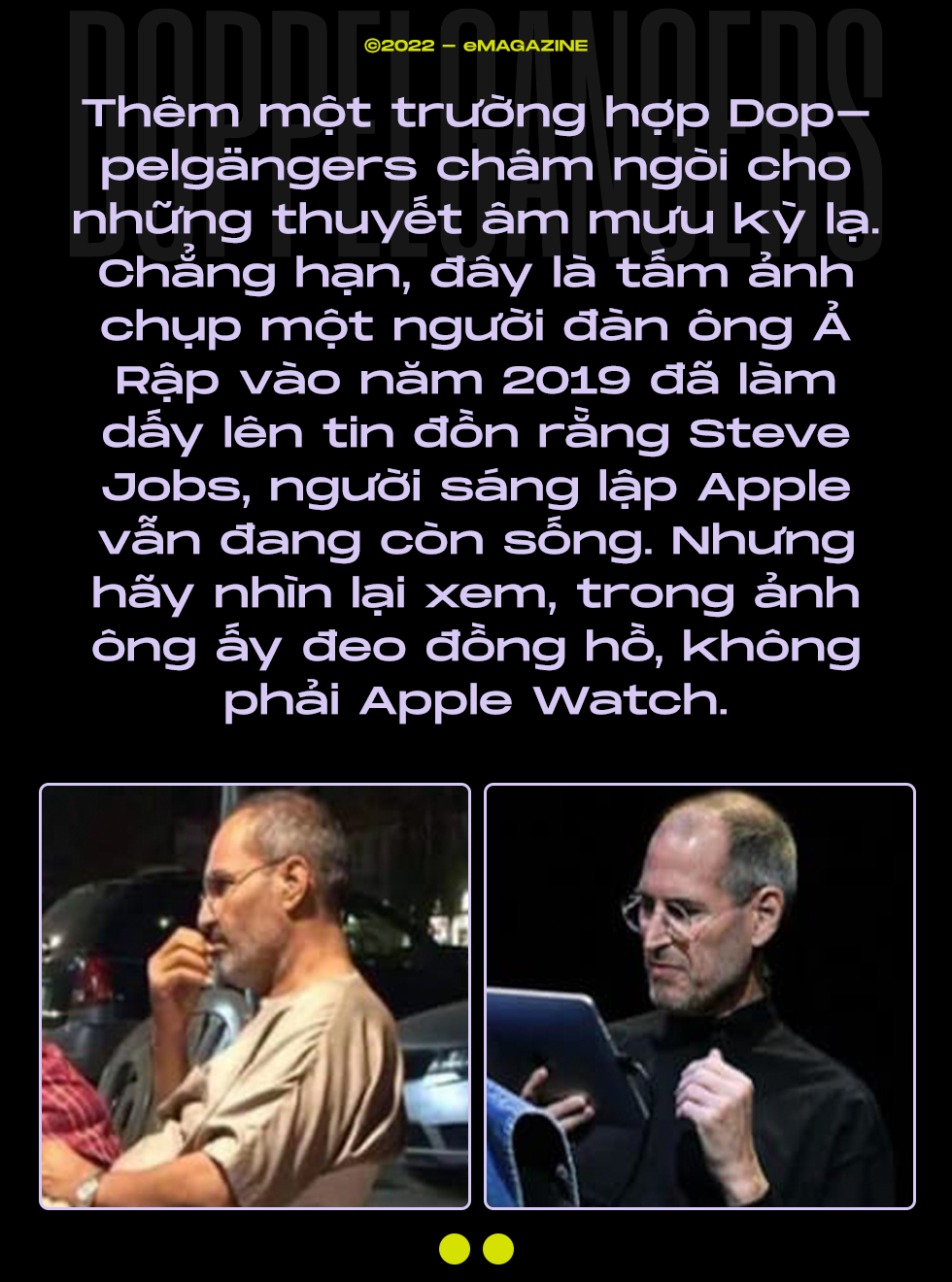
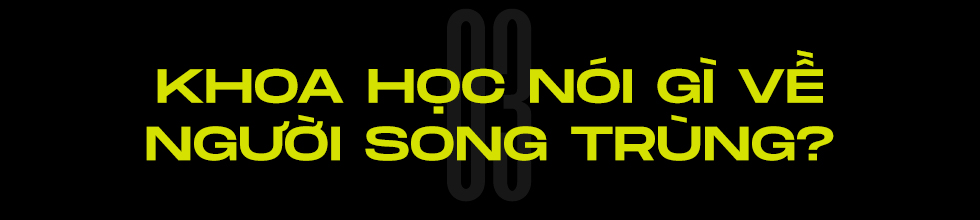
Back to Santana Gutierrez’s story: unlike celebrities, Santana and Isobel are ordinary people who would have lived separate lives without ever crossing paths.
Imagine if Barack Obama hadn’t become president. What are the chances he’d meet his doppelgänger Ilham Anas, who lives in Indonesia?
Most celebrities find their doubles because their faces are everywhere in the media.
So the world probably has more doppelgänger pairs than we realize, they just haven’t met yet or don’t know about each other.
Maybe you have a doppelgänger somewhere out there, someone who looks just like you.
But what are the odds you’d ever meet them?
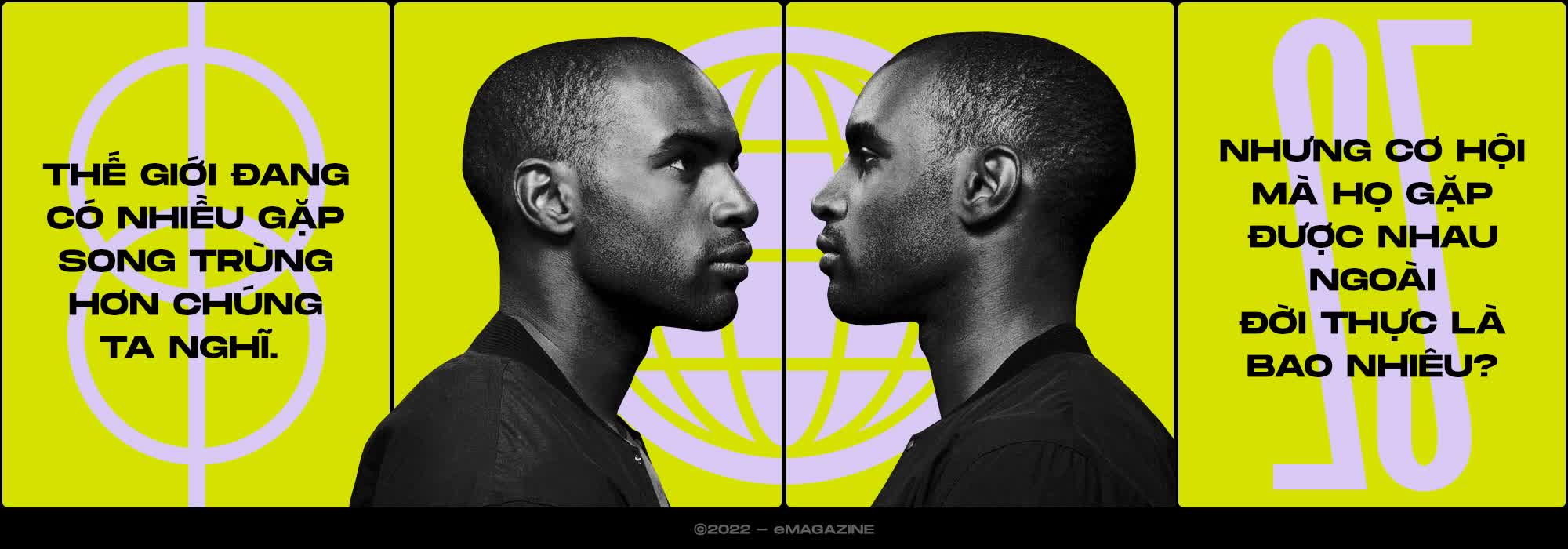
In 2015, a study in the International Journal of Legal Medicine tried to answer this. Led by biologist Teghan Lucas from the University of Adelaide, Australia, researchers analyzed 4,000 faces from the US Army’s Anthropometric Survey database.
Lucas selected 8 facial features and calculated the chance that two unrelated people would randomly share all 8 traits. The odds? One in a trillion (0.0000000001%).
That’s an unimaginably tiny number. With 8 billion people on Earth, it would take 125 generations, or about 2,250 years, to find a perfect doppelgänger.
This math shows doppelgängers could exist, but it also brings up the “Infinite Monkey Theorem.”
This theorem says if you put a monkey in front of a keyboard and let it type randomly forever, it will eventually produce a complete Shakespeare play.

For example, the chance of the monkey typing the word “Banana” on a keyboard with 50 keys is (1/50)^6, about 1 in 15.6 billion. Still small, but possible.
For Shakespeare’s Hamlet, with 130,000 characters, the odds are astronomically lower. Scientists calculated that for a monkey to have a 1 in a trillion chance of typing Hamlet, it would need to type nonstop since the Big Bang, about 14 billion years, and live through 10^360,641 universes.
All this brings us back to that one in a trillion chance that your genes randomly align with someone unrelated to produce 8 identical facial features.
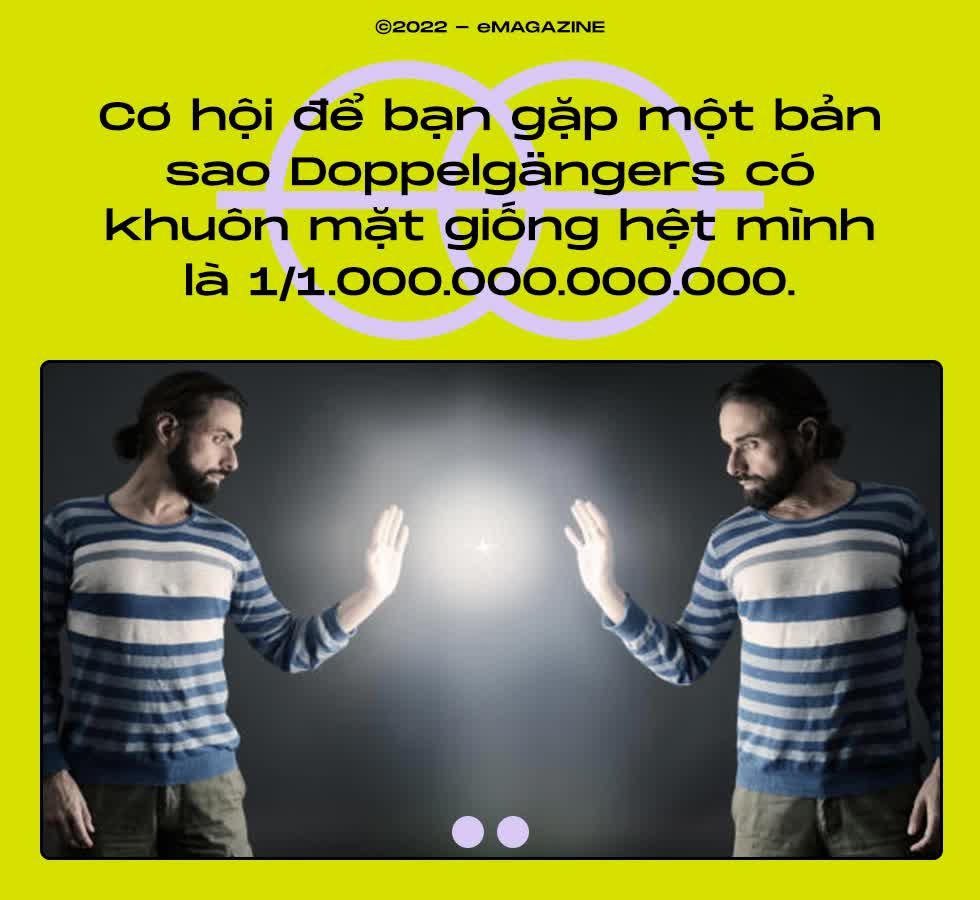
But if that’s true, why did Santana meet Isobel, Taylor Swift has a TikTok double, and Ilham Anas from Indonesia can travel the world because he looks like the US president?

Lucas and her team ran a second experiment, loosening the criteria to faces that look similar enough for humans to mistake but not identical enough to fool facial recognition software.
Surprisingly, the chance of any person having a living doppelgänger somewhere on Earth jumped from one in a trillion to one in 135. That’s the chance they might even meet in their lifetime.
That’s about 0.7%. For a college with 3,000 students, the chance you meet your double during your studies is 0.2%.
Not huge, but enough to explain Santana’s encounter with Isobel in a city of over 3 million.
The explanation? Our brains trick us when recognizing faces. Look at these two photos:
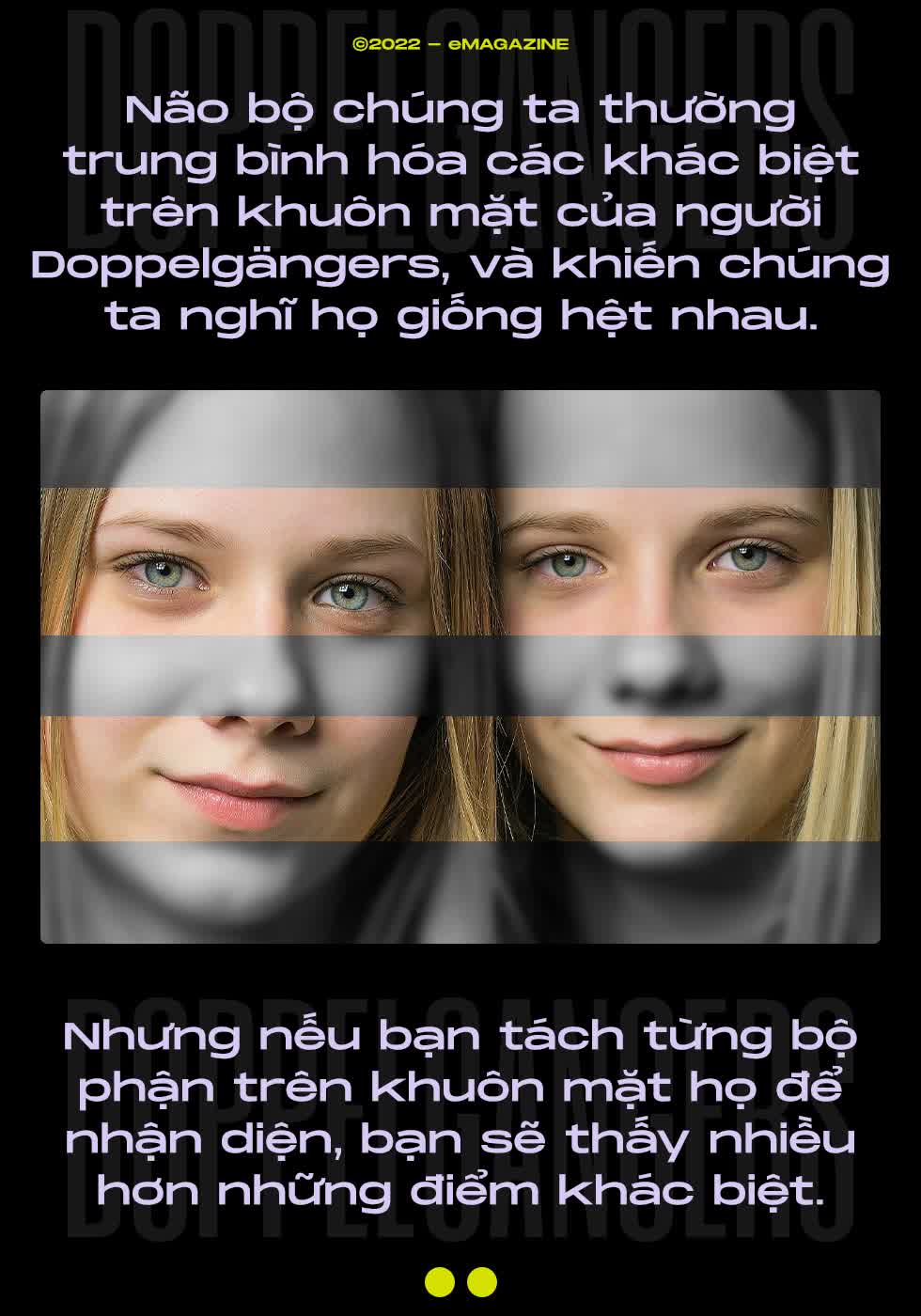
At first glance, these doppelgängers seem identical. But when analyzing each facial feature separately, differences emerge: the girl on the left has bigger eyes, the one on the right has thinner lips.
When we look at a face, our vision scans the whole, averaging out differences and focusing on similarities. This leads us to mistakenly conclude two faces are identical.
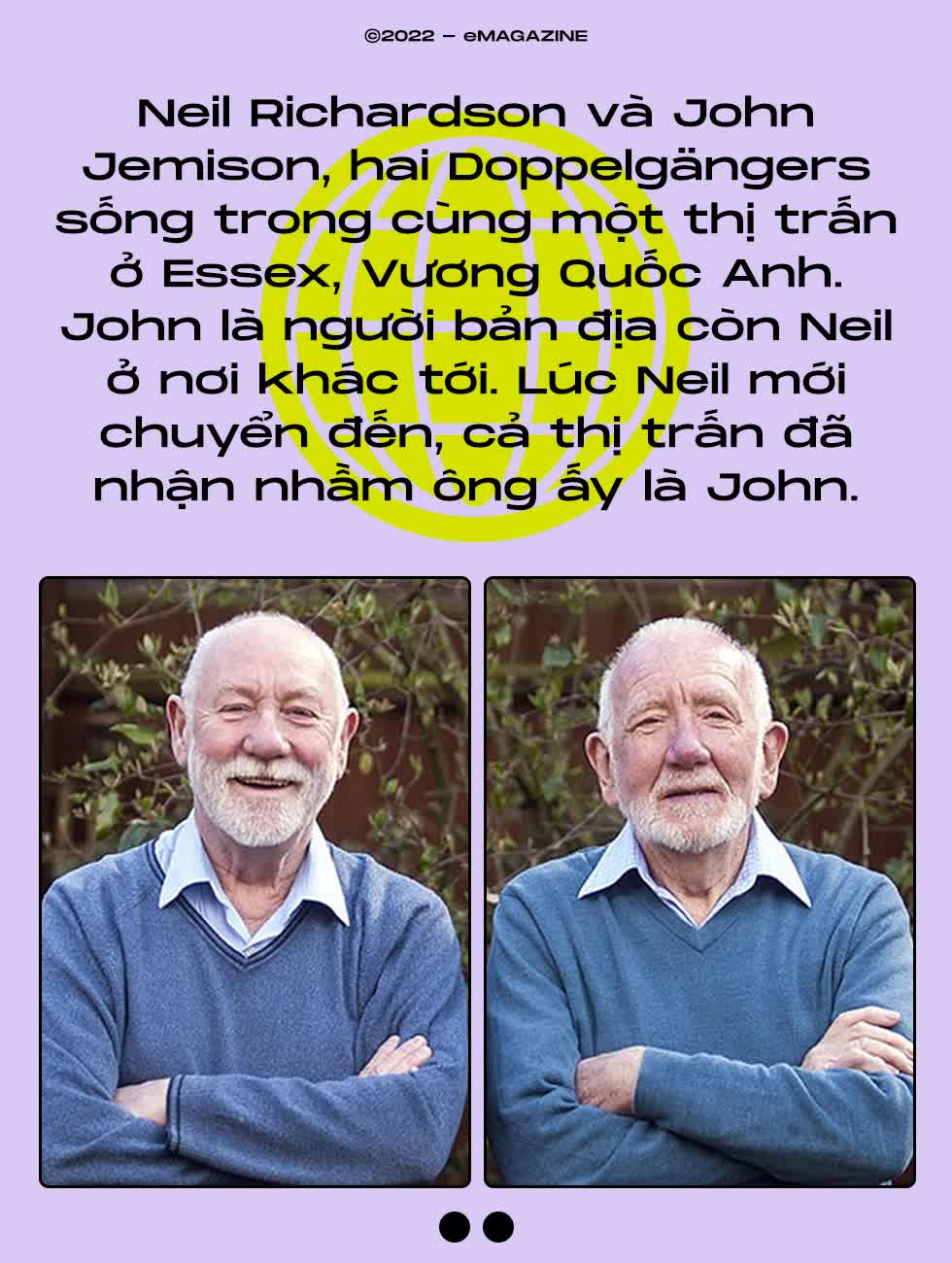
Facial recognition machines work differently, measuring each feature precisely. So doppelgängers can fool human intuition but not computers.
This is why Face ID still works for security and forensic experts rely on facial analysis for identifying suspects.
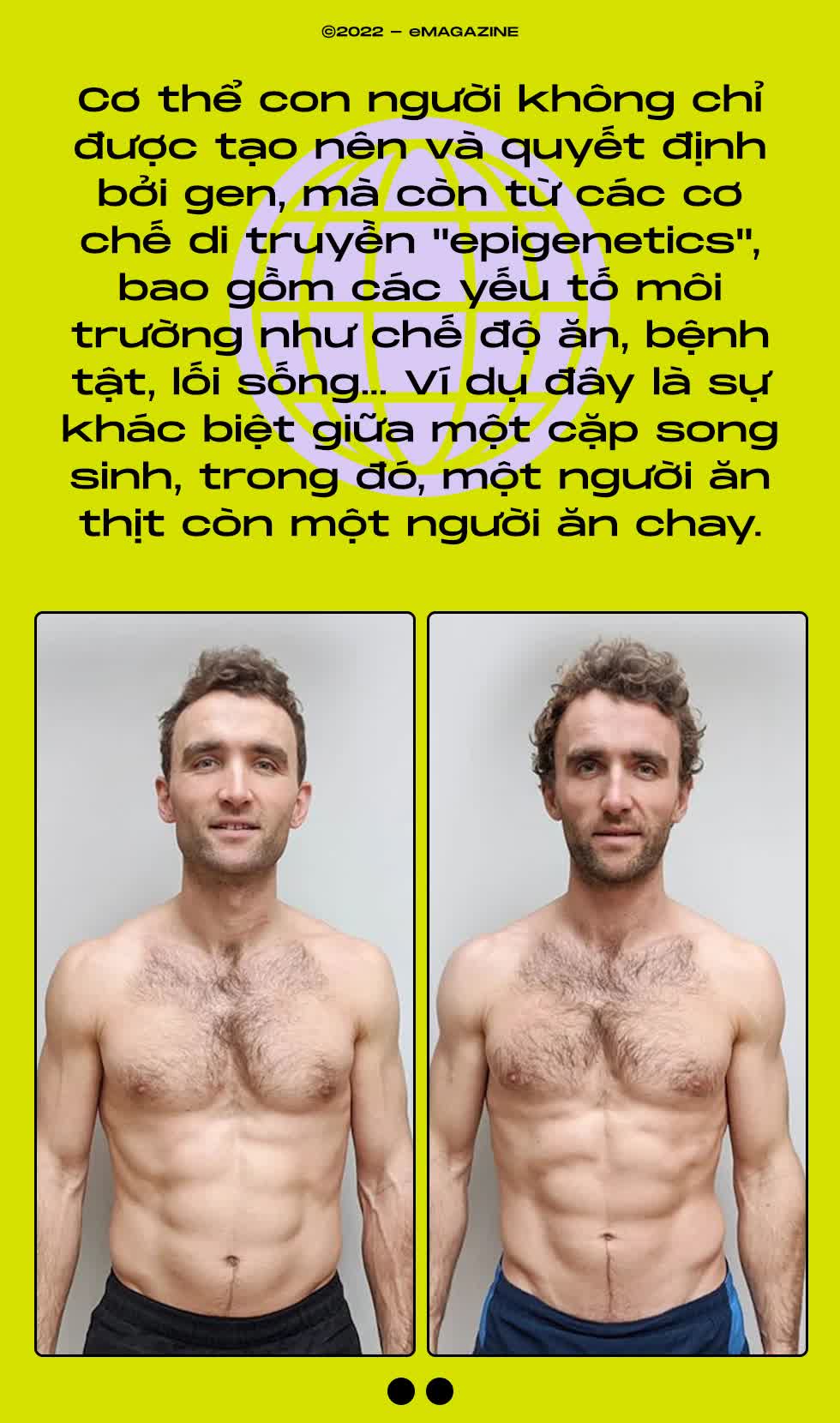
Despite doppelgängers, scientists say each face is as unique as fingerprints or DNA. Even identical twins look different if their lifestyles differ, like one smoking and the other not.
This is explained by epigenetics, where environmental factors like diet, illness, and habits influence gene expression, turning some genes on or off.
In identical twins, smoking can activate different genes affecting facial features, making them look distinct.
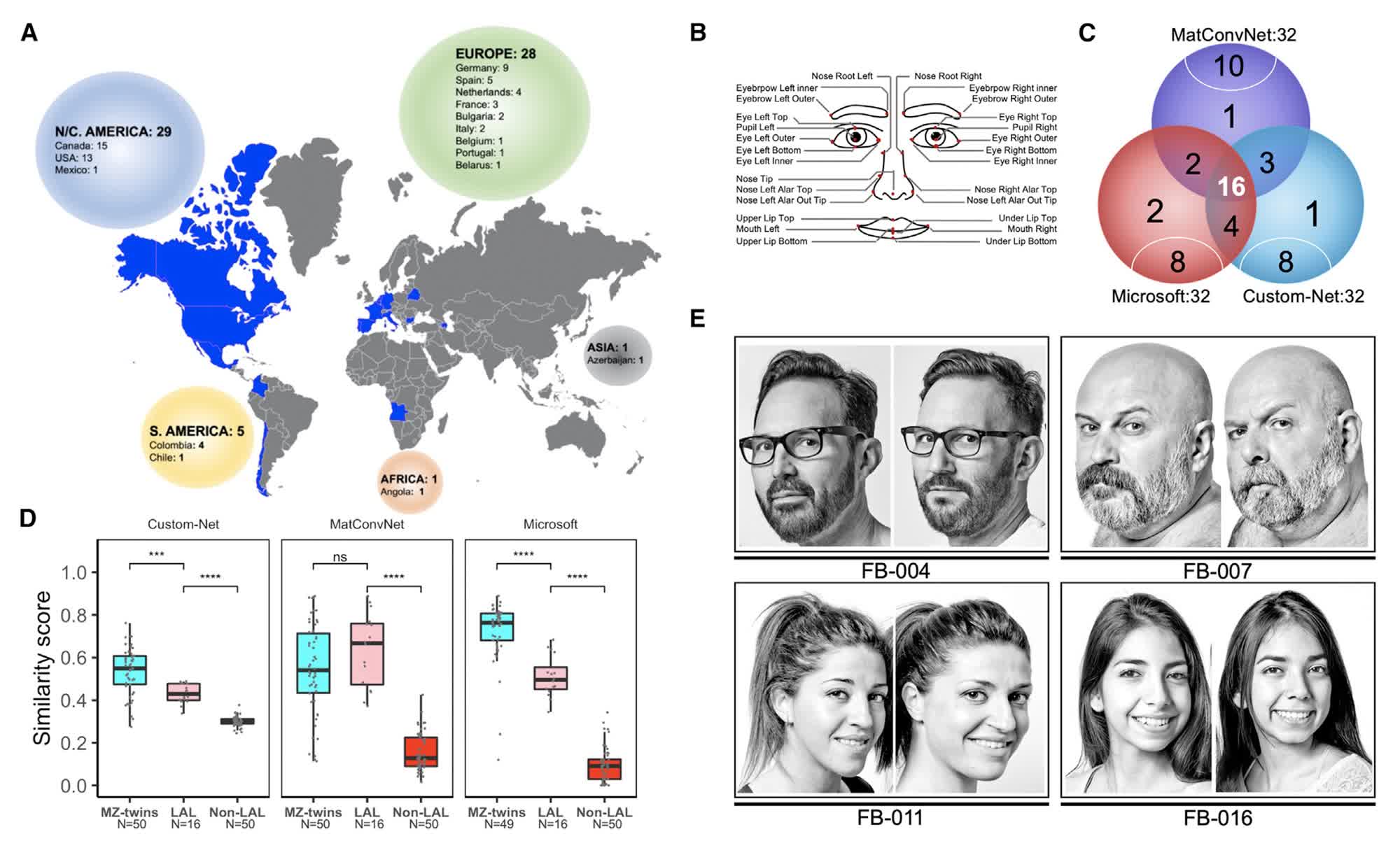
The same applies to doppelgängers. A recent study in Cell Reports tested DNA and lifestyles of 32 doppelgänger pairs.
Half had more similar DNA and looked more alike by computer scoring. But even the closest pairs had lifestyle differences affecting their gut microbiomes, showing they aren’t perfect copies.
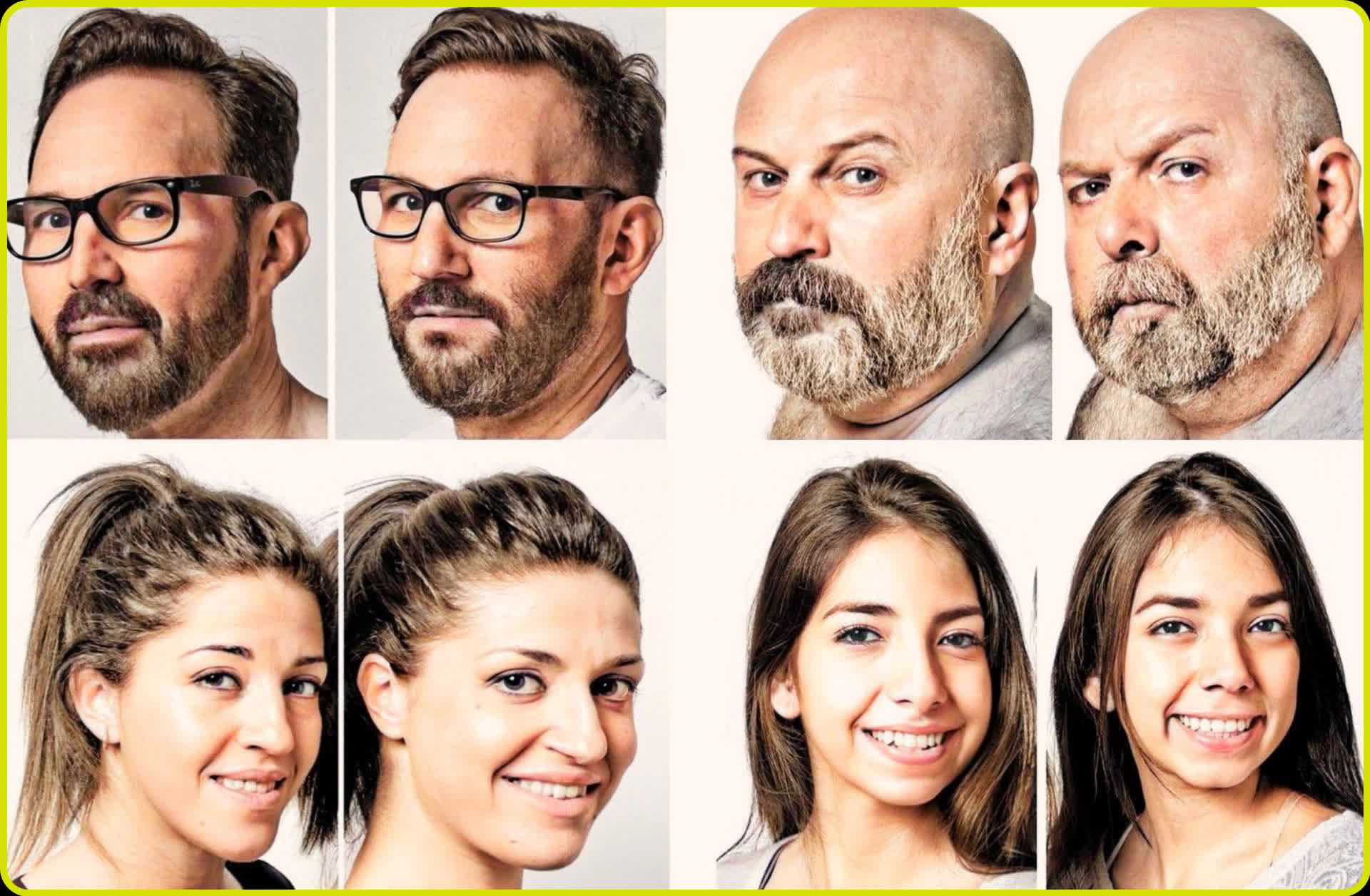
In short, the chance of meeting a perfect doppelgänger is incredibly small, one in a trillion, like a monkey typing Shakespeare’s Hamlet across countless universes.
But if you trust your intuition, there’s about a 0.7% chance someone out there looks quite like you.
That’s a doppelgänger, someone who could make you do a double take in a mall, or even be mistaken for you by others.
However, if you try to unlock your iPhone with Face ID using your doppelgänger, it probably won’t work.
So are doppelgängers real or just myths? It all depends on how you define “looking alike”, whether by scientific data or by our easily fooled eyes.
Sources: Atlas Obscura, New York Times, The Local, Science People, Smithsonian Magazine, Science, Forensis Science International, The Scientist, Medium, Insider, Scienceline, The Guardian

