

The line between real life and the online world is getting blurrier, making it harder than ever to protect personal images. Especially with social media growing so fast, scams that exploit other people9s photos are becoming more sophisticated and blatant.
Recently, a number of beautiful, sexy women have fallen victim to this when their personal photos were stolen, publicly posted, and used illegally to attract hundreds of thousands of interactions and comments.
Using Sexy Photos as Bait
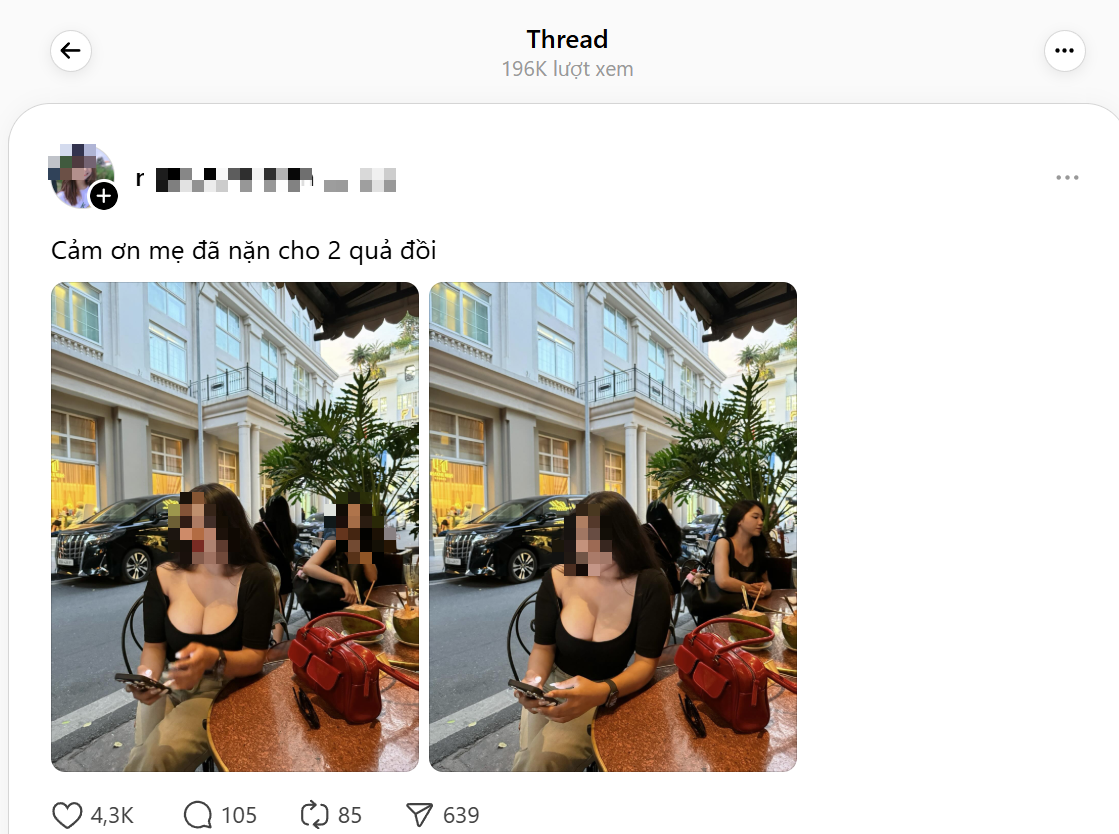
The scam itself isn9t new, in fact it9s pretty predictable. But the alarming part is how effective it still is on social platforms, where user curiosity creates the perfect environment for these scams to thrive.
Specifically, scammers steal images of attractive women with hot, sexy bodies from various sources. These can be public social media accounts, forums, personal websites, or even leaked photos. Then they create fake accounts on platforms like Threads or popular forums.
On these fake profiles, the stolen photos are posted alongside provocative, teasing captions or even fabricated stories to spark more curiosity. These posts are carefully written to be suggestive, targeting the psychology of audiences who are drawn to adult-themed content.
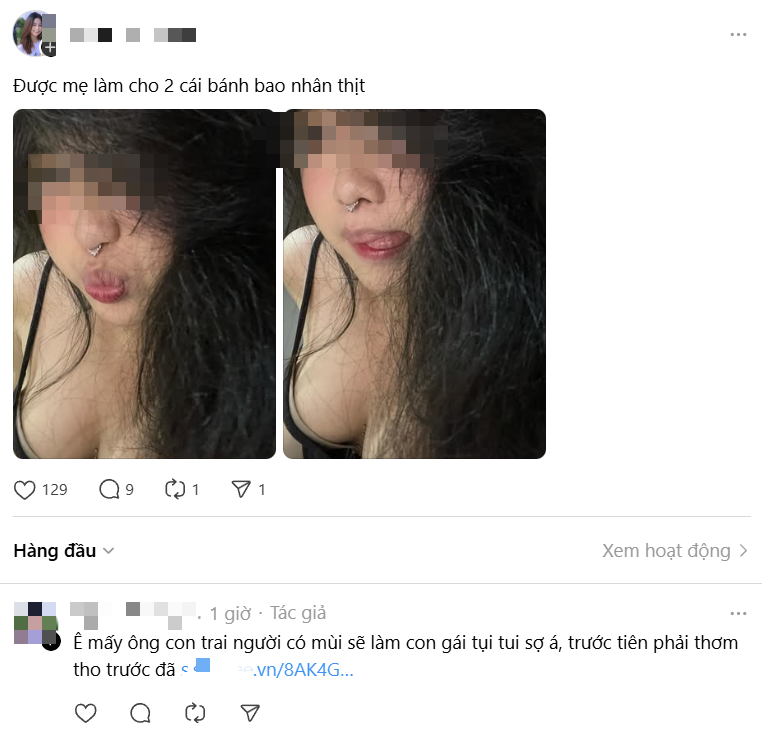
The mix of 20hot2 images and 20teasing2 captions quickly creates a viral effect. Hundreds of thousands, sometimes millions, of views, likes, shares, and comments flood these posts. Comments often ask for personal info or include flirtatious and teasing remarks.

What the Scammers Really Want
This is when the scammers reveal their true goal: dropping sales links. Posting links in the comments is a clever move because it avoids strict social media algorithms that flag posts with direct ads. Plus, with so many comments, these links get buried, making it hard for users to spot the scam right away.
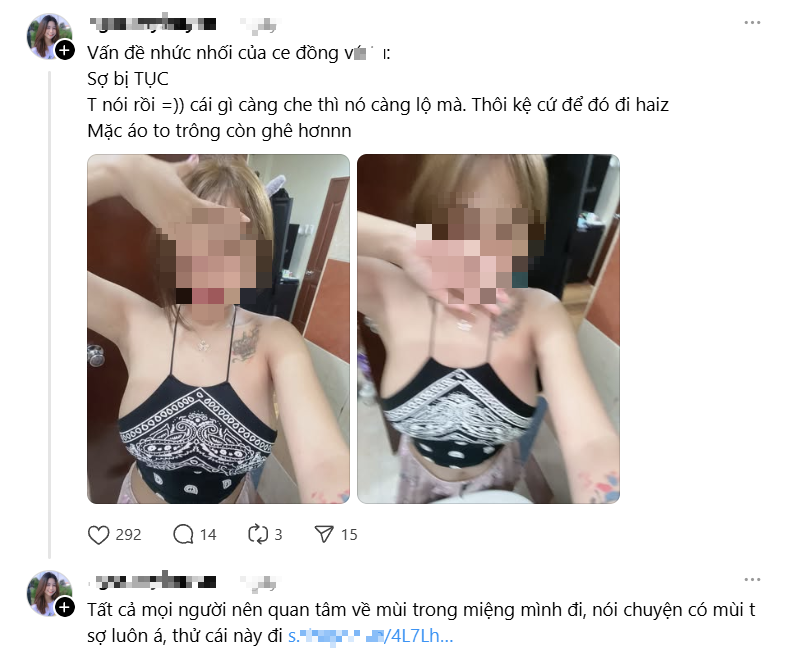
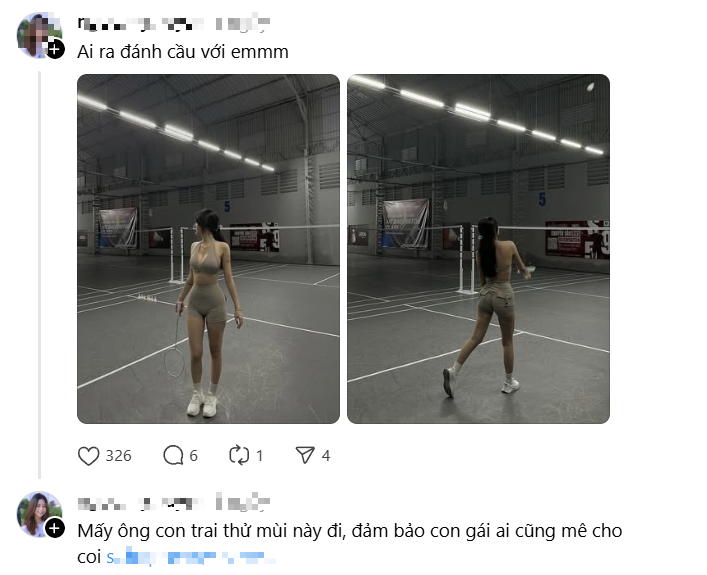
This behavior not only harms the women whose images are stolen but also poses many risks to the online community: financial scams, data loss, polluted online environments, reduced quality of social media content, and a worse experience for genuine users. Tracking and stopping these scammers is tough because of the anonymity social media offers.
How Users and Platforms Can Fight Back
Increase awareness about protecting personal info: Avoid posting overly private or sensitive photos publicly. Tighten privacy settings on social media posts. Stay alert to 20clickbait2 content: Always be skeptical of sensational, 20hot2, or overly sexy posts without clear sources. Report fake accounts and posts: This is the most effective way to help clean up the online space. If you spot accounts using others9 photos to scam, report them to the platform admins immediately.
Although stealing sexy photos to scam people is an old trick, the nonstop growth of social media and some users9 lack of caution keep it a serious problem. Building a safe and healthy online space requires cooperation between users9 awareness, social platforms9 responsibility, and strong action from authorities.

