

Face recognition is everywhere these days, from smartphones and public access controls to high-speed train stations and airports around the world. It’s made daily life a lot more convenient. But is it really secure?
Recently, researchers stunned everyone by using a simple pair of glasses to break face recognition on 19 Android phones. The test was based on the idea that if an attacker has a photo of the victim, they could create a special pair of “glasses” to trick the phone’s face unlock.
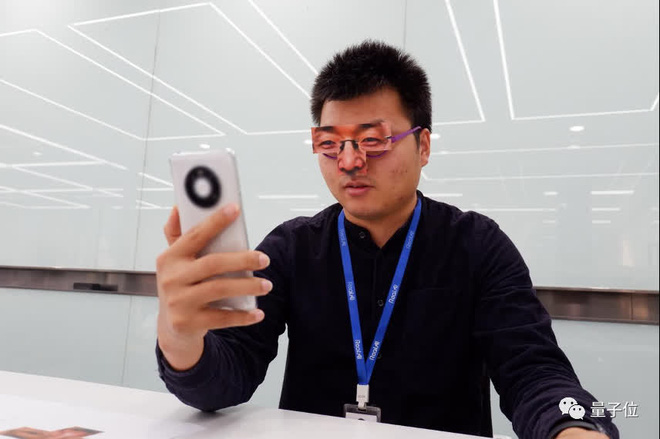
This experiment was done by Real AI, a team from the Institute of Artificial Intelligence at Tsinghua University, China. The results were shocking as the glasses successfully bypassed face unlock on 19 Android phones using adversarial attacks. More than 10 financial and government apps were also compromised.
According to the researchers, once they had a photo of the target, they used AI algorithms to generate interference patterns around the eye area. These patterns were printed, cut out, and attached to the glasses frame. Wearing these glasses and showing the face to the phone allowed them to unlock devices and apps.
The team tested 20 phones in total. Except for one iPhone 11, all Android models were hacked within 15 minutes. The 19 Android phones included top Chinese brands, covering everything from budget to flagship models. One was even a newly released flagship launched at the end of last December.

Beyond unlocking phones, the researchers also bypassed face recognition steps in several financial and government apps, even impersonating owners to open online bank accounts.
Reports say while developing the core algorithm isn’t easy, hackers using it maliciously could drastically lower the difficulty of breaking face unlock.
Adversarial attacks aren’t new, but completing the whole hack in under 15 minutes shows these attacks pose real security risks in everyday life.
RealAI says their goal is to find vulnerabilities so they can be patched and protected against. They’ve already developed tools to help phone makers strengthen and upgrade face recognition security.
Source: Sina

