


In episode 1156 of One Piece, Nami once again became the hot topic across anime and manga forums.
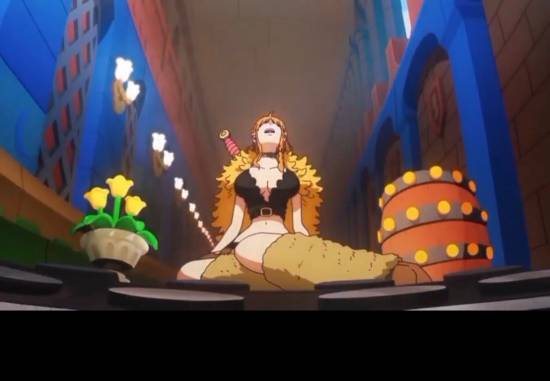
But this time, it wasn’t about the plot or her role in the Straw Hat crew. Instead, the buzz came from a more sensitive detail: her on-screen body design, especially a noticeable increase in her bust size compared to before.
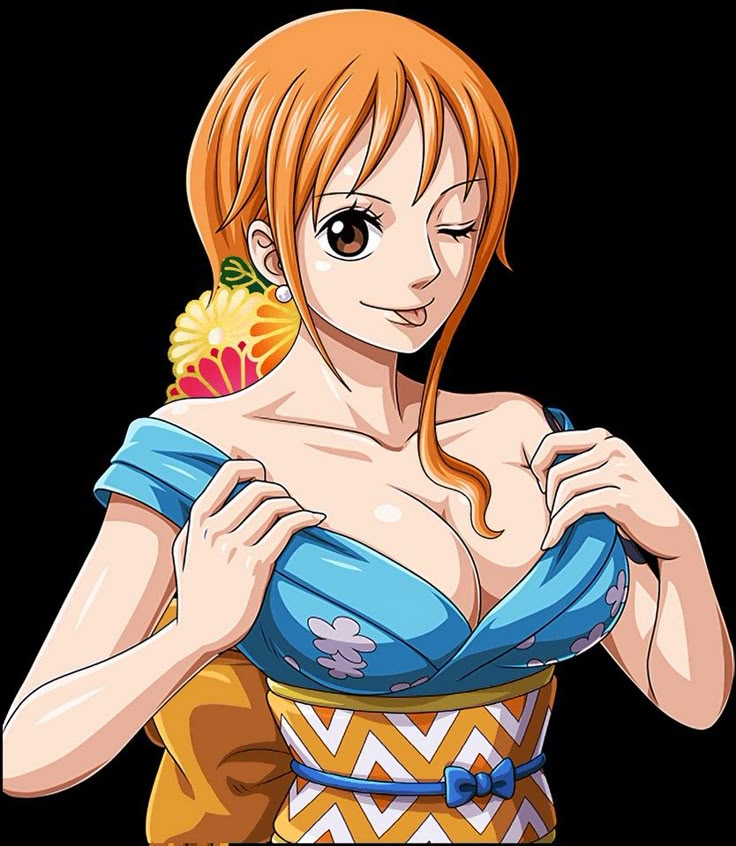
This change quickly sparked a storm in the One Piece community, with many fans saying Nami’s appearance was over-exaggerated.
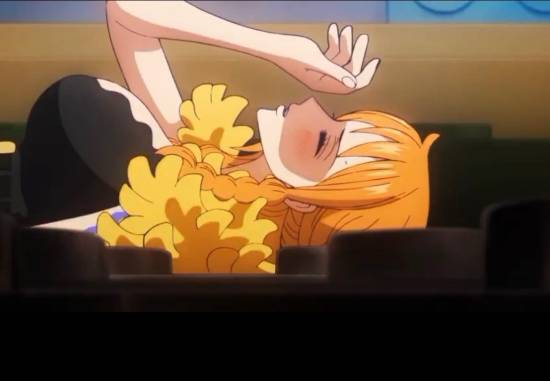
Screenshots from the episode spread rapidly, stirring up mixed reactions. Some saw it as typical anime fanservice, while others were unhappy, feeling it distorted the character’s original image. Amid the heated debate, Lonionjon, an artist involved in the episode’s production, unexpectedly spoke up to reveal an interesting behind-the-scenes detail.
He confirmed that he never intended to draw Nami with the body proportions fans saw on screen. “I didn’t mean for her to look like that. These changes happened during post-production editing, and I wasn’t informed beforehand,” Lonionjon shared. This admission instantly grabbed attention, highlighting the gap between the artist’s original vision and the final released product.
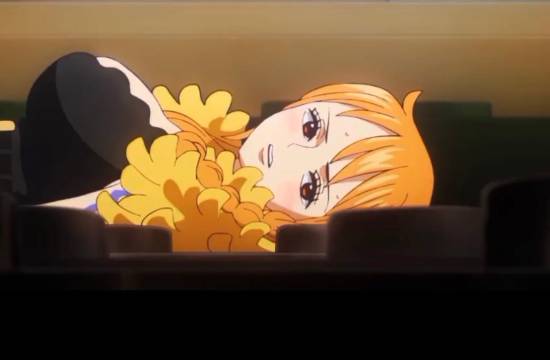
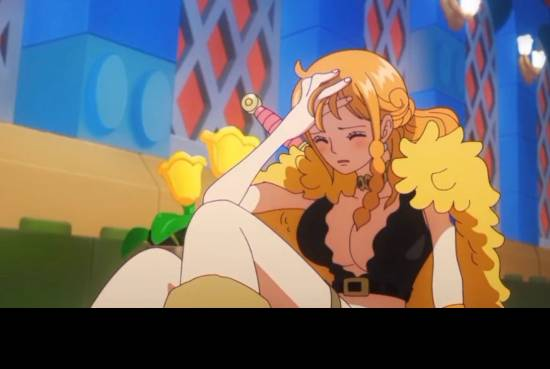
Lonionjon’s statement also raised suspicions that the One Piece anime production team might be applying certain post-production standards to boost the visual appeal of female characters. In fact, this isn’t the first time Nami’s design has sparked debate. Compared to the early arcs, her appearance has changed significantly over time, becoming more exaggerated. This reflects a common trend in the anime industry where character designs are tweaked to match popular audience tastes.
What many fans appreciated about Lonionjon’s view was his perspective on the character. To him, Nami is first and foremost an excellent navigator, a character with depth and an important role in the story, not just a visual icon.
Meanwhile, One Piece’s original creator Eiichiro Oda has taken a pretty relaxed and humorous approach to this issue. He openly admits that character body designs partly reflect youthful dreams, which has become a signature of his style. Nami’s story once again raises the familiar question: where is the line between pleasing fans and preserving a character’s true identity?