

Bloomberg suggests that crypto investors have had to buckle up over the past week due to wild price swings, mostly sparked by Elon Musk.
Musk caused Bitcoin to plunge nearly $10,000 in just a few hours last Wednesday after announcing Tesla would no longer accept Bitcoin payments.
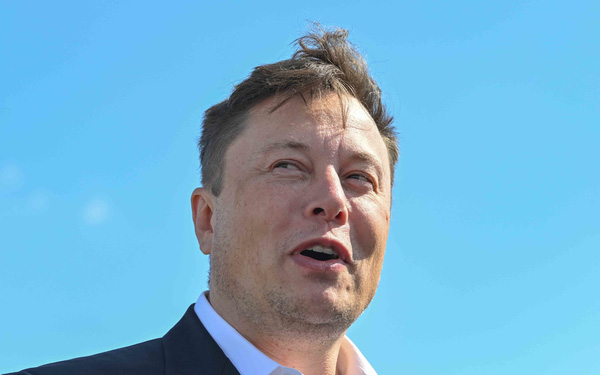
A few days earlier, Musk appeared on “Saturday Night Live” and joked about Dogecoin, sending its price crashing. Then a few days later, he tweeted that he was working with Doge developers to improve transaction efficiency.
Yesterday, Musk pushed Bitcoin below $45,000 again with a tweet hinting Tesla had sold all its Bitcoin.
His latest Bitcoin-related tweet replied to @CryptoWhale, who said: “Bitcoin holders are about to get slapped next quarter when they find out Tesla sold all their remaining #Bitcoin. Hate for @elonmusk will only grow…”
Musk responded simply: “Indeed.”
As a vocal crypto supporter with millions of followers, Musk has the power to shake markets with his tweets.
After many such incidents, some suspect Musk is deliberately pumping crypto prices for personal gain. This theory gained traction when Tesla reported a $101 million profit last quarter from selling 10% of its Bitcoin holdings.
Twitter user Dave Portnoy called Musk out directly, tagging him and saying: “Here’s how I see it: Elon Musk buys Bitcoin, then pumps and praises it. Bitcoin price jumps. Then Musk sells and pockets a huge profit.”
Since then, Musk has continued to use his influence to sway the market. US regulators have yet to comment on the situation.
But this isn’t the first time a wealthy figure faced legal trouble for crypto pump-and-dump schemes. John McAfee, the antivirus software creator, was arrested for similar actions.

In early March, McAfee was charged with securities fraud for artificially inflating cryptocurrency prices. His accomplice and personal bodyguard, Jimmy Gale Watson, was also accused of profiting by advising McAfee’s Twitter followers to invest in coins like Reddcoin and Dogecoin, then selling their own holdings at a profit.
Their fraud ran from December 2017 to October 2018. McAfee used his verified Twitter account, which had about 1 million followers, to promote coins with phrases like “Coin of the Day” or “Coin of the Week.”
A lawyer explained McAfee’s case: “The defendant used his Twitter account to influence hundreds of thousands of followers to buy various cryptocurrencies based on false and misleading information to conceal his profit motive. McAfee, Watson, and others in McAfee’s group are accused of making over $13 million from investors.”

