

Data has become a valuable resource in the digital age, often compared to a special kind of oil in the digital economy. Yet this data, including personal information, is constantly exploited and turned into a “commodity” for buying and selling.
Many people’s personal details like names, faces, birthdates, and more might be used by fake accounts in online games, gambling, or betting platforms. Or you might suddenly get calls from unknown numbers pushing products or services, or even linked to investigations you have nothing to do with. So the big question is: when was your information stolen?
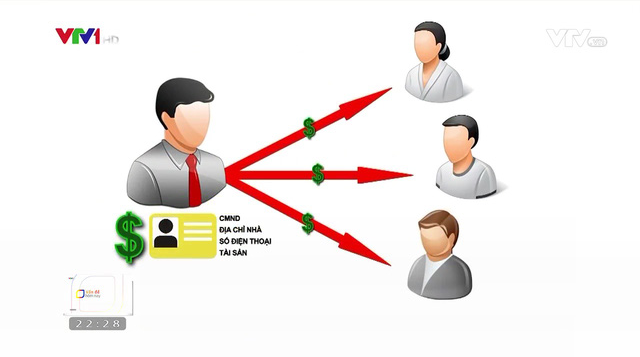
According to data from the Ministry of Public Security, two-thirds of Vietnam’s population, over 68 million people, have their personal data shared online in various ways and levels. There are up to 1,300 GB of Vietnamese personal data being bought and sold on the internet.
A quick Google search easily reveals ads offering “customer lists” for free or for sale. The open trade of personal data online leads to serious consequences.
Representatives from the Ministry of Public Security say victims of personal data trading are increasing. Besides low personal data security awareness, some organizations and businesses that collect and manage data are involved in illegal buying and selling.
Lieutenant General To An So, Chief of the Ministry’s Office, said: “During investigations, authorities found many individuals and companies in insurance, education, and real estate sectors buying large amounts of data from suspects for illegal use, then providing it to third parties for illicit profit.”
At the 4th session of the 15th National Assembly, the Minister of Industry and Trade presented a draft amendment to the Consumer Protection Law, adding definitions and responsibilities for protecting information and rules for authorizing third parties to collect, store, and use consumer data.
Searching “customer list” on Google returns over 190 million results with countless sites selling data under names like danhsachkhachhang, datakhachhang, danhsachmoi, fulldata…
Most of these sites offer two types of customer data: free and paid. Paid data is sold as specific, regularly updated lists. Prices range from a few hundred thousand to millions or even tens of millions of Vietnamese dong depending on quality and detail.
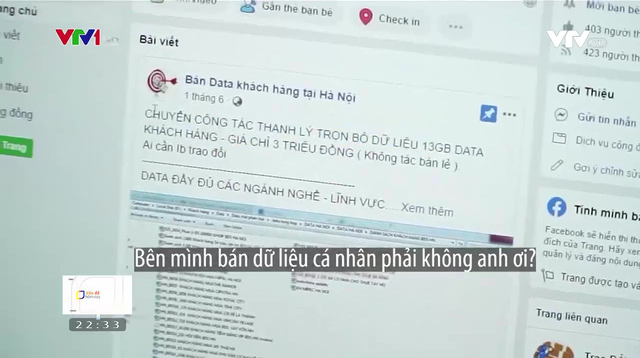
To build trust and attract buyers, sellers often offer low prices and throw in extra data packages.
Facebook and Zalo are prime targets because of their huge user bases and weak security. One admin revealed earning millions daily just by searching for info on Facebook.
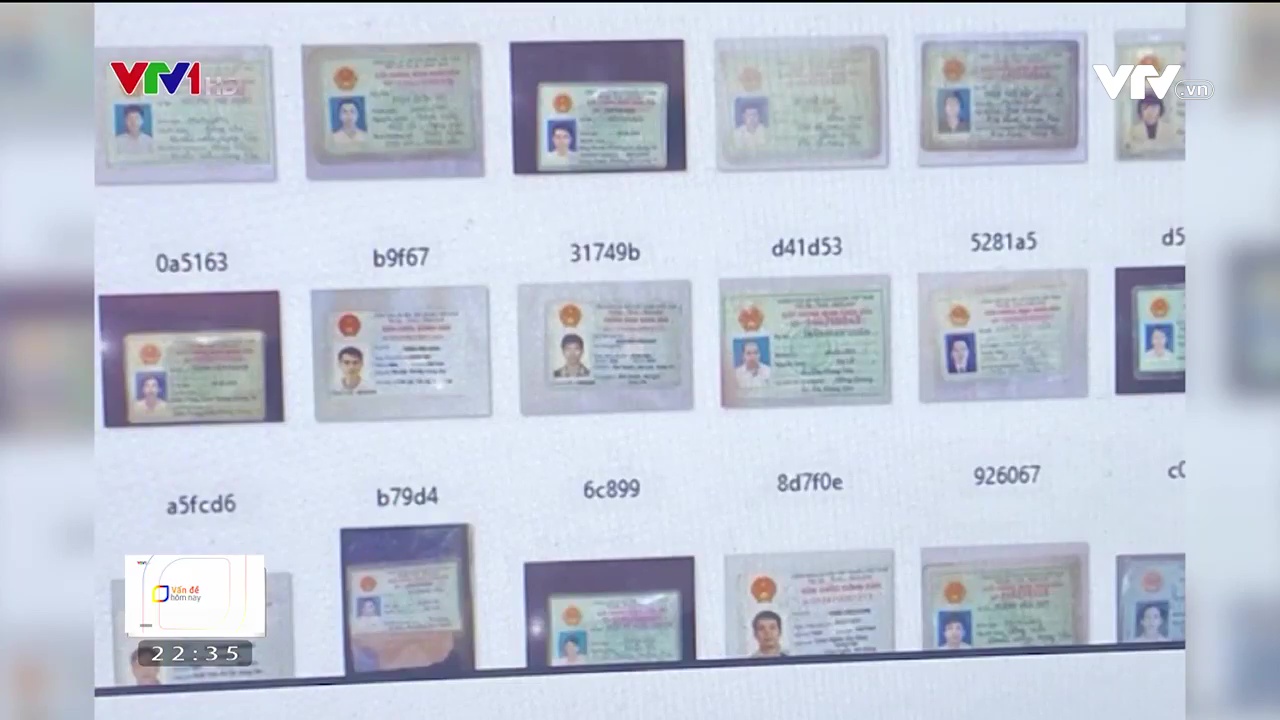
Since the start of this year, authorities have recorded hundreds of cases related to buying and selling personal data online. Some cases involved insiders responsible for collecting and managing information.
Experts say the widespread leaks, theft, and trading of personal data online are mainly due to low public awareness about data protection, excessive use of disposable SIM cards, and outdated legal frameworks. Personal data is still not officially recognized as property, and penalties are not strong enough to deter offenders.
According to the European General Data Protection Regulation
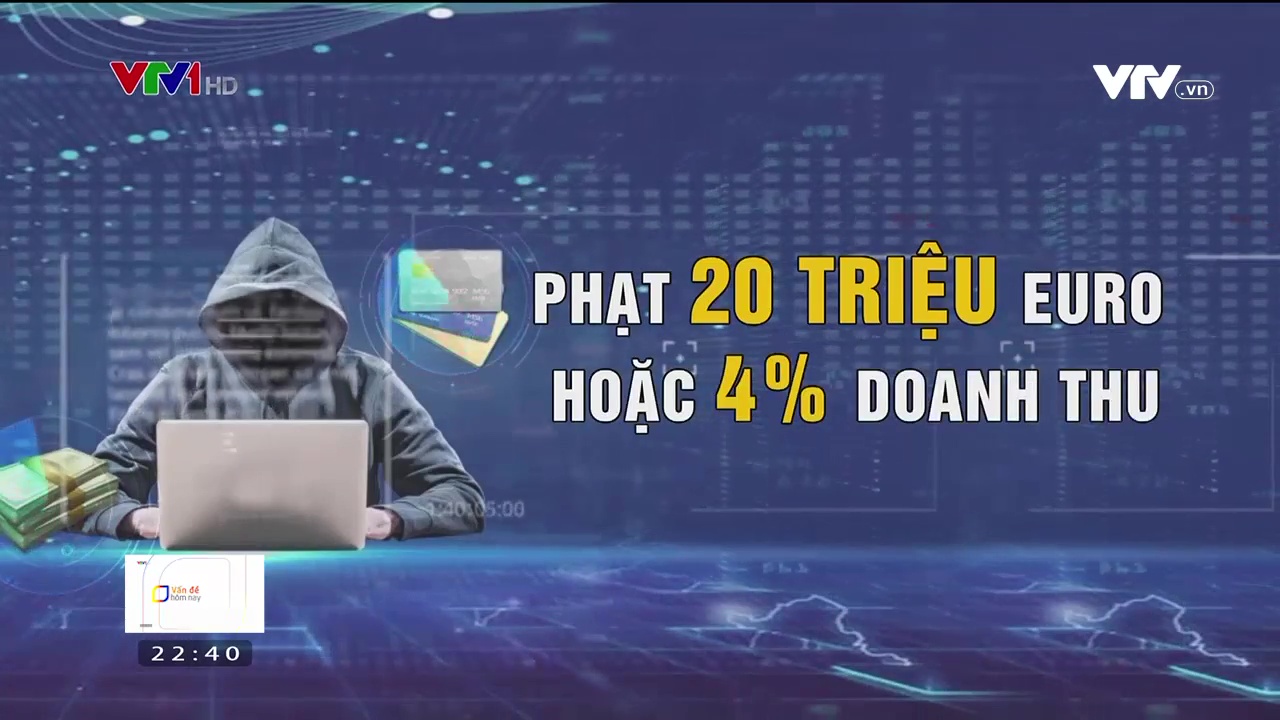
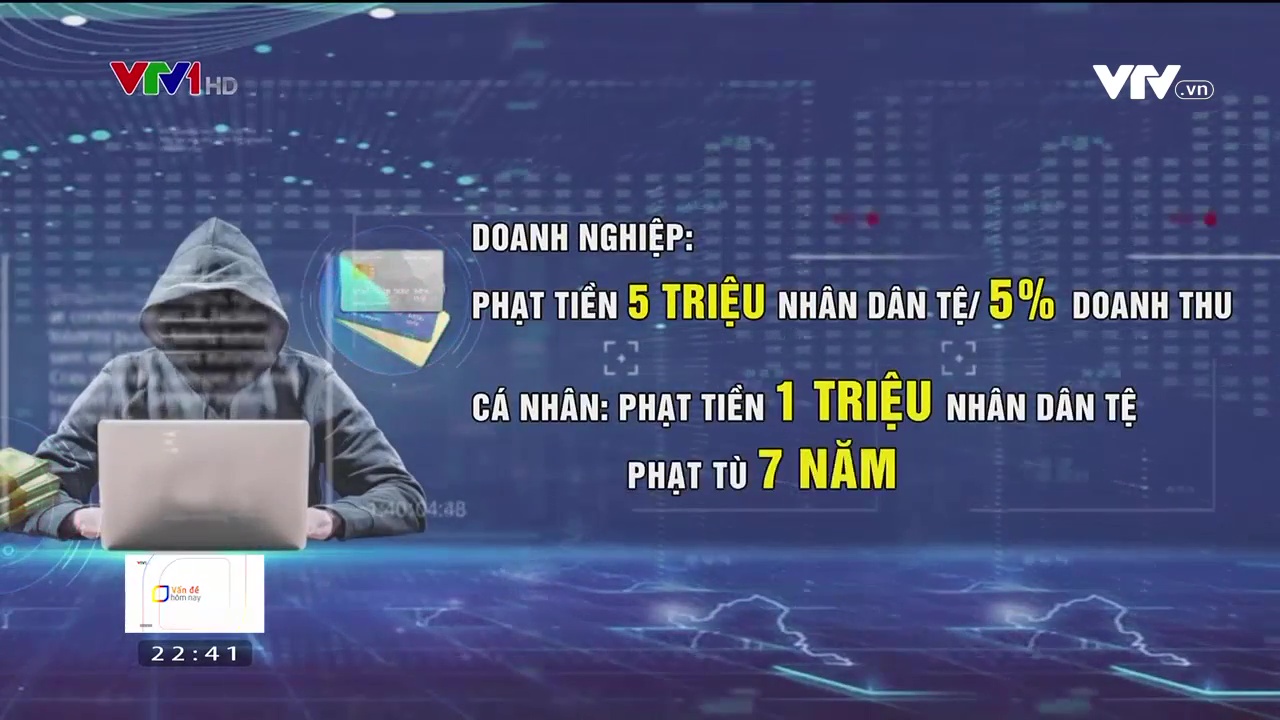
The amended Personal Data Protection Law of 2021
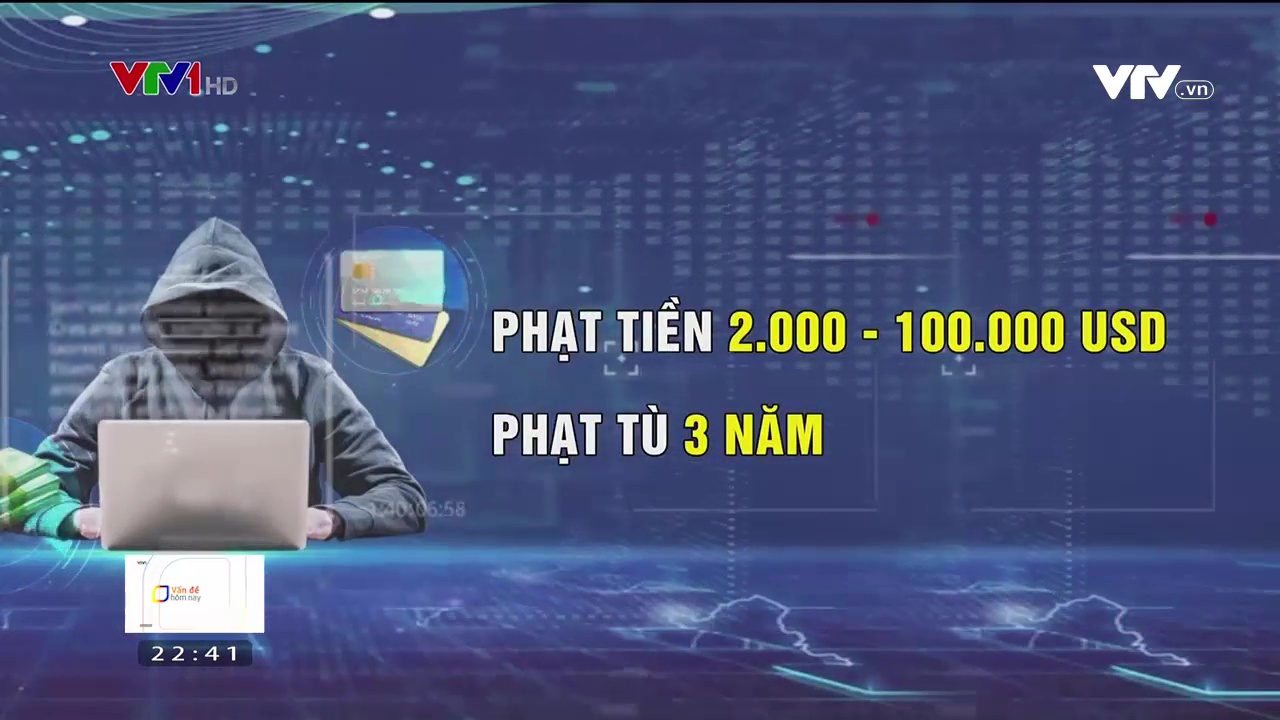
In Southeast Asia,
The common cause of data leaks and theft online is the lack of awareness about protecting personal information. Many people casually share personal info anywhere on social media, creating huge risks. People need to treat their personal data as valuable property to protect. This mindset is key to solving the problem of data leaks.
Joining the discussion on this topic in the show Today’s Issues is lawyer Nguyen Tien Lap, arbitrator at the Vietnam International Arbitration Center (VIAC).

