

Social media lets people freely express themselves, share opinions, and even turn someone famous overnight with a viral video. But this rapid growth has blurred the line between creative content and deliberately tasteless, pointless videos. Recently, a short clip on Facebook showing a guy hiding under his best friend’s dress to help her on a date stirred up major outrage online for being so offensive.
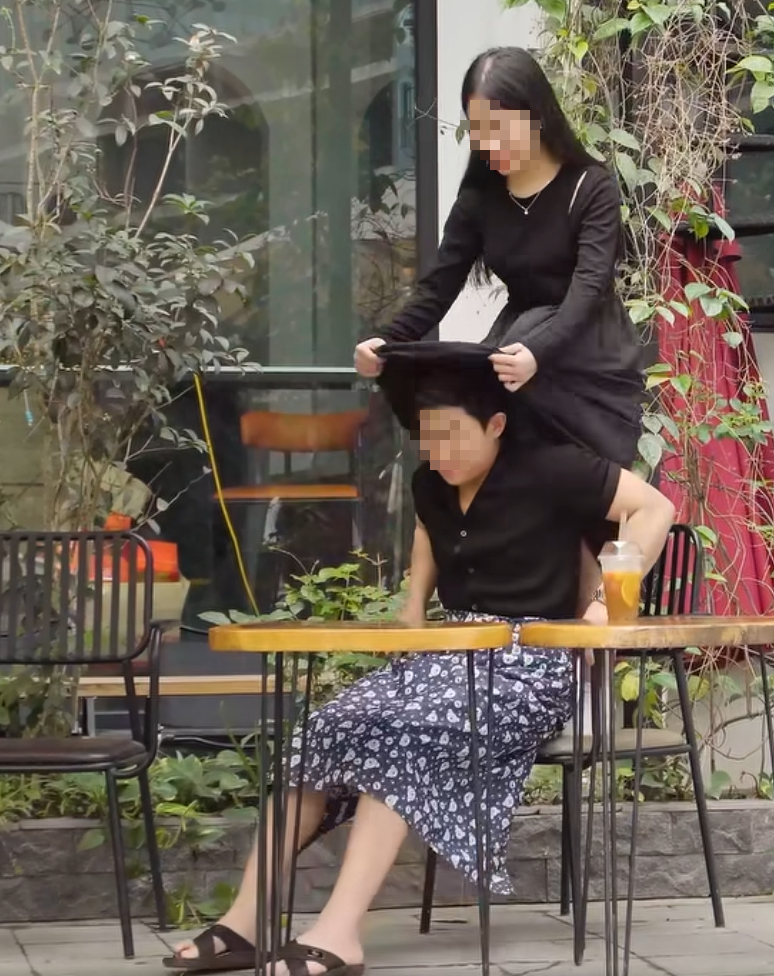
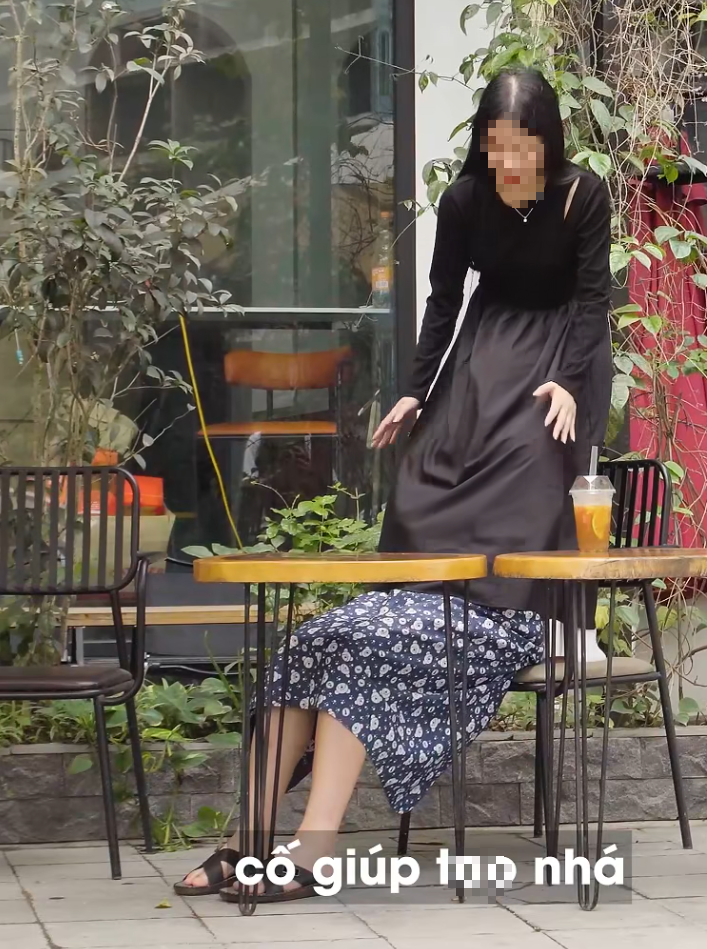
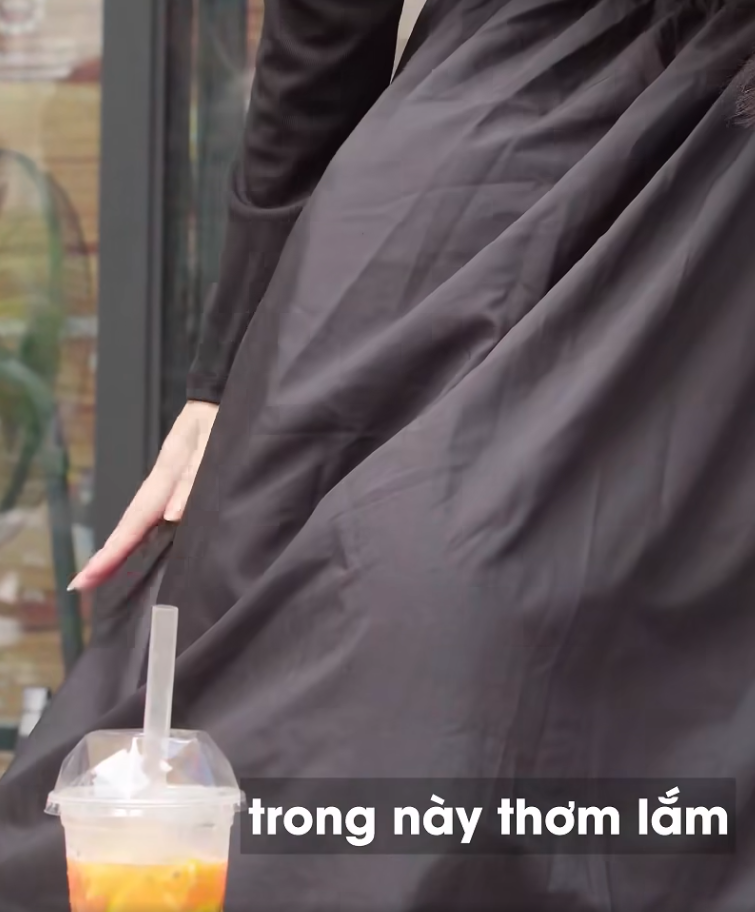
The short clip, staged by a production team, spread like wildfire and racked up millions of views within hours. In the video, the guy agrees to help his friend by crawling under her dress to pretend to be her long legs, aiming to impress her date. Both are laughing and clearly proud of their one-of-a-kind plan.
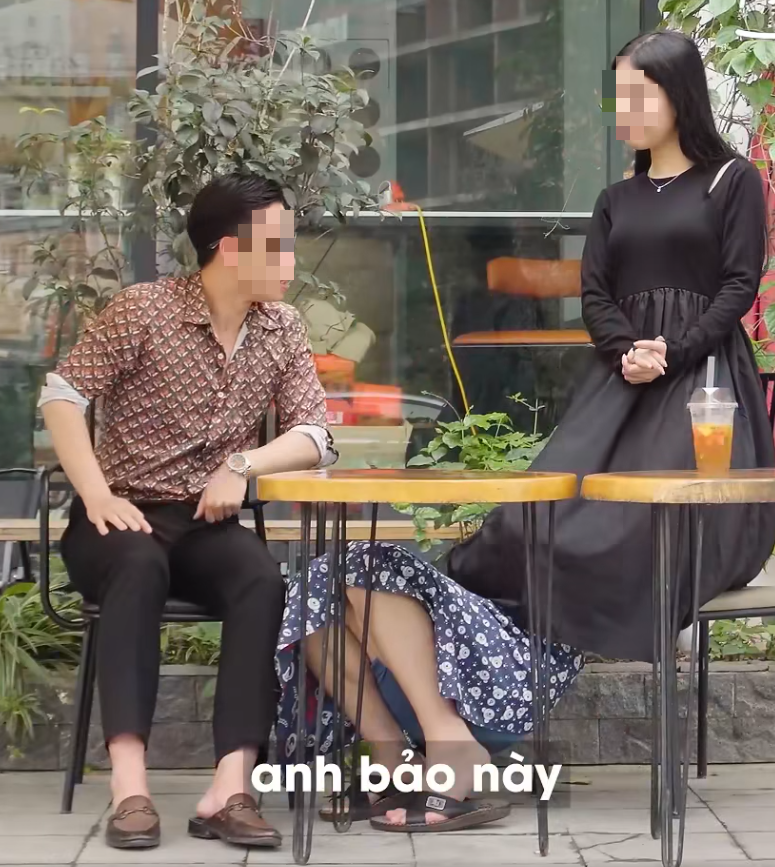
While the video got massive engagement, it wasn’t positive. Viewers were outraged by the ridiculous, disrespectful content that showed little regard for the audience and especially worried about its negative influence on young people, who make up most social media users today. As soon as the video appeared, harsh criticism flooded the comments and social forums:
“I don’t get it, what kind of content is this? It’s all nonsense now.”
“Creativity is fine, but it doesn’t mean insulting public taste.”
“Who directed this? Unlucky to come across this video…”


The trend of some young people ignoring ethical and cultural boundaries just to grab attention on social media is nothing new. Especially on platforms like TikTok, Facebook, and Instagram, where short videos easily attract huge audiences, reckless trends to get famous are booming.
These teams are willing to make silly, even offensive content that breaks social norms just to get noticed. This not only erodes cultural values but also risks creating a generation with warped thinking, unable to tell right from wrong or real from fake online.
Platforms like TikTok, Facebook, and YouTube claim to have strict content moderation policies. Yet in reality, many offensive or sensitive videos still slip through and even get recommended by algorithms just because they get high engagement.
Clearly, if platforms and creators can’t be fully controlled, users themselves need to develop skills to filter content. For parents especially, monitoring kids’ social media use and teaching them to recognize healthy content is crucial. Reporting offensive videos, leaving critical comments, and sharing positive content are ways users can take responsibility and help build a better online community.

