

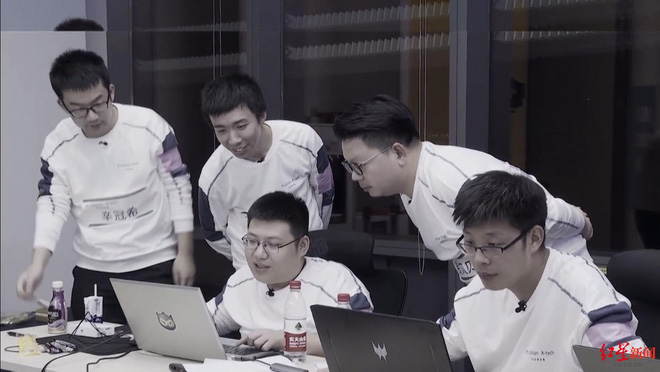
Recently in China, a reality TV show for programmers called “Genius Programmer” aired for the first time. Most contestants came from prestigious universities, with some being industry standouts. They were split into four teams to tackle challenges involving cyber attack and defense, plus AI recognition, all within 48 hours.
One standout contestant named Ha Lapan quickly became a sensation. He played a key role on his team thanks to his impressive attack and defense skills. While opponents scored just 2,000 points, Ha led his team to 16,000 points with only a third of the time gone, winning the $150,000 prize.
What really made Ha Lapan a phenomenon was his background. He dropped out of a vocational high school and taught himself coding in an internet cafe, eventually making a name for himself in IT.

Ten years ago, it all started at a small internet cafe near the gate of a vocational high school in Hefei, Anhui Province. Ha had failed the entrance exam for a regular high school after dozing off during the test and drooling on his paper, which caused him to fail. To escape family pressure, he chose to attend the vocational school in Hefei.
But Ha wasn’t interested in his classes and the internet cafe near school became his second home. At first, he was addicted to gaming. After a while, he couldn’t find any worthy opponents, so he started thinking about doing something more fun than just playing games.
Ha says he grew up playing on computers in internet cafes. He even learned to hack passwords by watching how staff entered them. It was a crude hacking technique but it sparked his curiosity. Later, when a virus hit his home computer, he didn’t just want to remove it with software, he spent time tracing its origin.
As he dug deeper, Ha discovered famous hackers and enjoyed online legends about hacker battles. That’s why after getting bored with gaming, he started learning cyber attack and defense techniques right in the internet cafe. He joined hacker forums, read hacking books, and gradually became part of the tech expert community.
“Back then, I practically lived overnight in internet cafes, spending just 5 yuan (about 0.7 USD) a day,” Ha recalls. His monthly living cost was 300 yuan. To save money, he often ate steamed buns and drank tap water when thirsty.
“At the time, people thought I was weird. They would throw away the blankets I used to sleep there overnight,” he remembers.

After countless nights at internet cafes, Ha Lapan’s name gained recognition in hacker circles. Around the same time, the principal of his vocational school noticed his frequent absences and forced him to drop out. Luckily, Ha soon received a job offer from a company in Shanghai as an information security staff member.
In 2017, a tech company called “Sugar Free Information” was founded in Chengdu High-Tech Zone with nine employees, including Ha Lapan. Among them was Dong Yingnao, a biology PhD from Sichuan University, who also taught himself programming in internet cafes.
This group decided to become “white hat” hackers. Unlike “black hat” hackers who create viruses and exploit security flaws, white hats work to maintain internet security.

The company mainly cooperates with police and enterprises. Their official website states they have partnered with hundreds of police departments at various levels. While police fight criminals on the front lines, Ha and his team provide technical support behind the scenes, using technology to combat telecom fraud, online gambling crimes, and more.
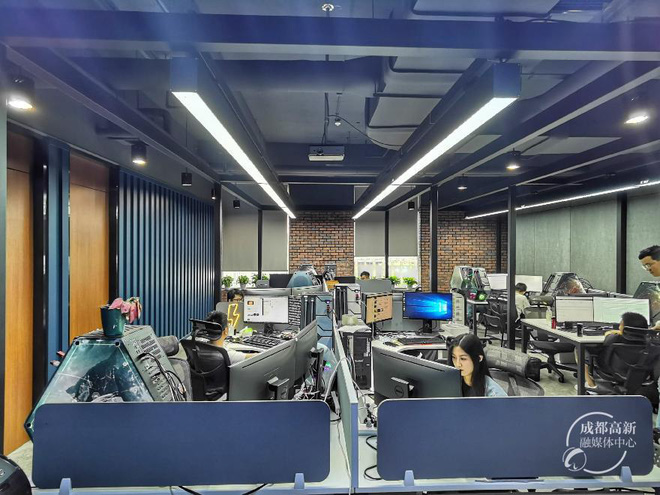
In just four years, the company grew from 9 to over 150 employees and moved into a spacious, modern office. Still, when talking about his past, Ha says he doesn’t see himself as a role model.
Asked why he learned programming in an internet cafe, he said, “People can play games at internet cafes, so why can’t I learn coding there? I think it’s normal.”
“But I don’t think I’m a good example for young people to follow!” he added.
Source: Sina

