

A Foretold End
In the end, it was bound to happen. After announcing their Q1 2020 earnings, LG confirmed they are shutting down their smartphone division.
For those who have followed LG over the years, this wasn’t a surprise. Year after year, smartphones were the only business segment running at a loss while other divisions brought profits to the parent company. With Apple dominating the high-end market, Samsung and Huawei battling for top market share, and Xiaomi along with OPPO and Vivo invading the budget segment, LG’s exit from mobile was only a matter of time. Everyone knew the Korean brand’s chance to reclaim past glory was zero.
If there’s one word that sums up LG’s downfall, it’s “bootloop.” Starting in late 2015, owners of LG’s flagship G4 began complaining about their phones repeatedly restarting on their own. While Chinese rivals like Xiaomi and Huawei were booming, this basic hardware flaw (due to “poor component contact”) on a pricey model left an indelible stain on LG’s smartphone reputation.
Worse still, this issue spread to other flagship LG phones: G5, V10, V20, and the Nexus 5X. By early 2017, US users filed a class-action lawsuit. LG lost and had to pay $425 to each plaintiff. Later that year, LG dashed any hope of a comeback with screen problems on the V30 and the Pixel 2 XL it made for Google.
A Name Synonymous with Innovation
But before the bootloop disaster, LG was a beloved name. In Android’s early days, the Korean company started with affordable models. When moving into the premium segment, LG showed forward-thinking by boldly choosing a phablet size (5.5 inches) for the Optimus G instead of launching both a regular and a large flagship like many competitors.
Long battery life, big screens, and quirky innovations gave us plenty of reasons to love LG.
With the G2, LG pioneered another key innovation: shrinking bezels to let users enjoy a 5.5-inch screen in a body not much bigger than a standard phone. Along with this, LG moved the power and volume buttons to the back, starting a design trend many brands still follow today (placing the fingerprint sensor on the back).
That same year, LG launched the first curved screen smartphone, the G Flex. Curved display tech was still new and later became the foundation for the G4, which featured a unique faux leather back. LG followed up with the V10, which introduced a distinctive secondary screen strip at the top for notifications and shortcuts.
A Corner of the Android World
As you can see, before bootloop wrecked everything, LG was a brand known for special creativity. LG dared to release phones that stood out with unusual features that sparked curiosity. They took controversial steps like curved screens and rear buttons.
Nexus 4 and Nexus 5: High-spec, affordable phones launched at Android’s peak.
But for hardcore Android fans, LG’s most important phones were actually the least flashy. They didn’t even carry the LG brand: for two years running, LG was Google’s manufacturing partner for Nexus devices.
So why were these phones so beloved? Simply because they were affordable. At just $300, the Nexus 4 packed a Snapdragon S4 Pro flagship chip. The Nexus 5 cost $50 more but came with a Snapdragon 800. Priced at half of Galaxy S/Note or Xperia models, these Nexus phones were key players in the “flagship killer” trend, letting budget-conscious users access top-tier performance.
And let’s not forget, Nexus offered the pure Android experience directly from Google. At a time when Android ROMs were often bloated and frustrating, LG played a vital role by… not messing with Android at all.
Final Regrets
LG G5: Peak innovation, poor sales…
Without bootloop, LG’s fate might have been very different. Early 2016 saw the launch of the LG G5, a perfect symbol of the Korean maker’s creativity: it was the first widely released modular smartphone, beating Google’s Project Ara. Unfortunately, LG’s reputation was already ruined. Few wanted to try a completely new phone type from a brand that couldn’t guarantee quality.
The high price of the Nexus 5X and persistent bootloop issues pushed LG’s market share into oblivion. LG’s partnership with Google officially ended when only the Pixel 2 XL (made by LG) had problems, while the Pixel 2 (made by HTC) did not. It’s worth noting that Pixel marked a new vision for Google: unlike Nexus’s pure Android, Pixel offered Google’s own Android experience, exclusive and not shared. Pixel was also pricey. Combining the high cost with silly screen issues, the Pixel 2 XL was probably the last LG phone anyone cared about, and not in a good way.
Innovations lost meaning when no one trusted LG’s quality anymore.
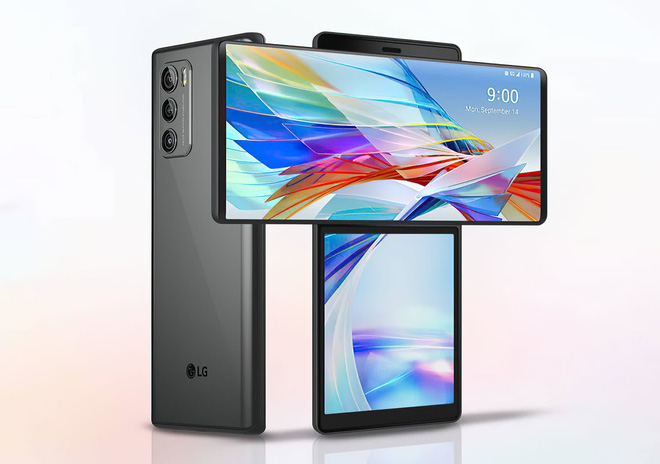
Still, few noticed LG kept making “weird” phones. The V50, V60, and G8X came with accessories to expand into dual screens. The LG Wing introduced an Android experience on a T-shaped display.
Just Memories Left Behind
If it had launched 7 or 8 years earlier, the Wing’s fate might have been different. Back then, LG was still loved for helping “democratize” premium smartphone experiences. Smartphones were still somewhat new, users were open to strange innovations, and makers were eager to bring fresh ideas.
Sadly, the smartphone world of 2020 was very different. The “flagship killer” trend had long ended. Except for foldables, manufacturers rarely dared to innovate. The smartphone battle was between Apple, Samsung, and Chinese brands. To survive, a phone had to be either meticulously crafted or cheap enough to compete. LG had neither. LG’s smartphone death was inevitable, as we always knew. Soon, the market will be completely free of the quirky phones from Korea’s second biggest brand.
Farewell to the name once tied to bold creativity!
But ending doesn’t mean forgetting. At least, LG will always hold a special place in the hearts of those who loved and followed Android’s growth. Goodbye to LG smartphones, and thank you for the memories.

