

Imagine this: you open an app, create an account, and stare at an empty friends list. You buzz into a chat room where a few strangers type nicknames like “noidau_chamdut_92” or “treolenxeracnhatxac.” The wave of nostalgia hits and fades in under five minutes.
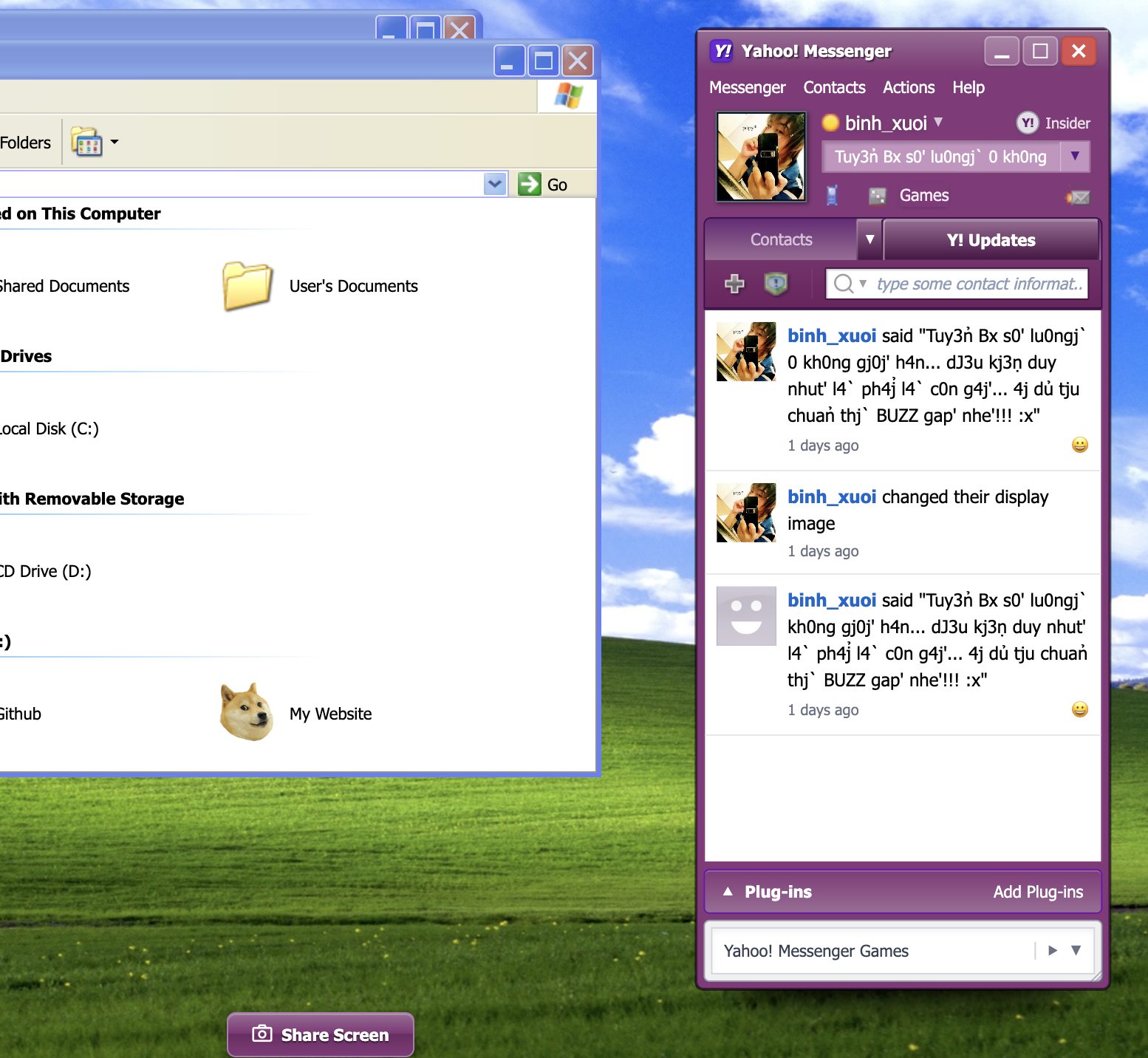
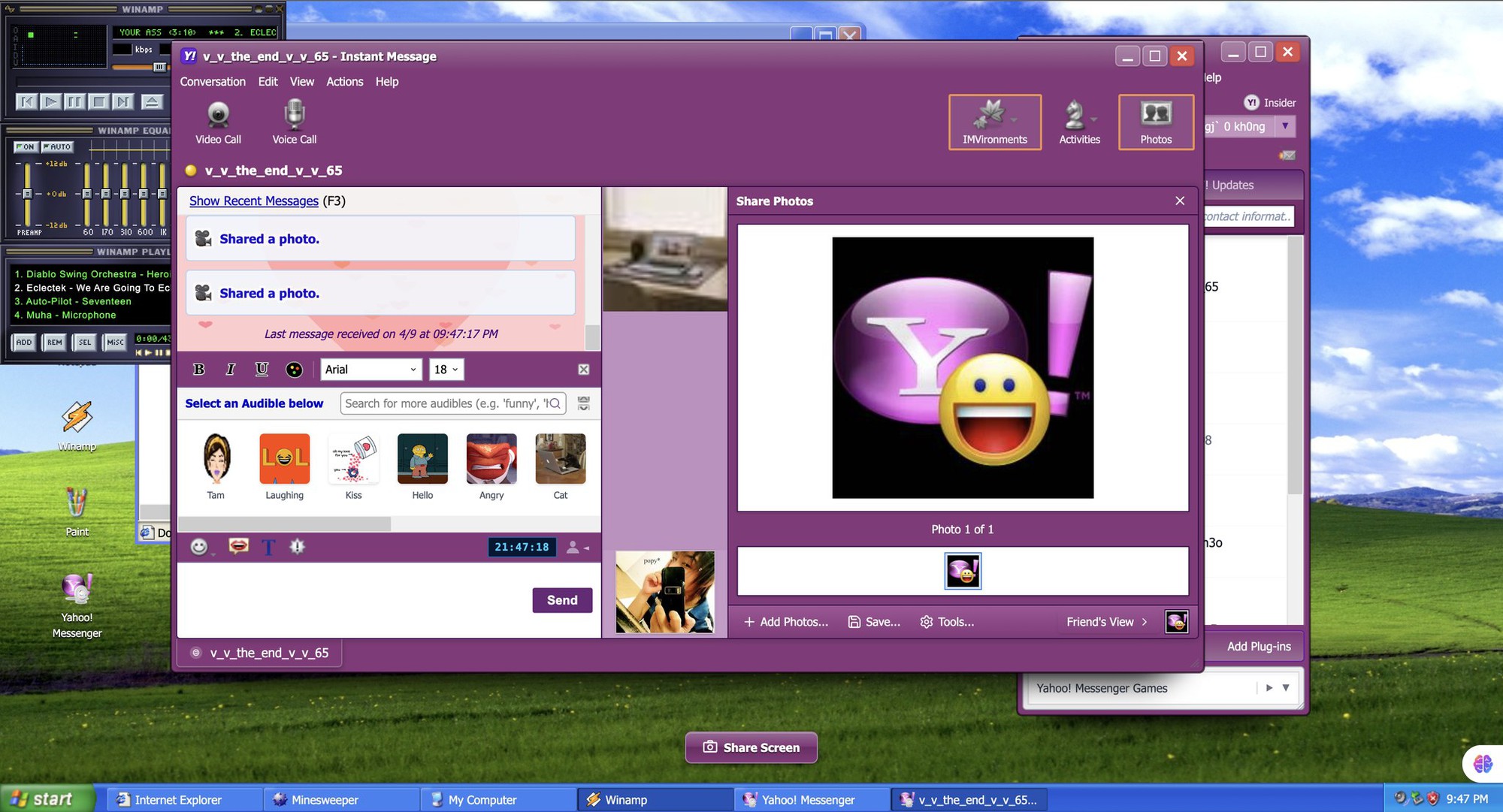
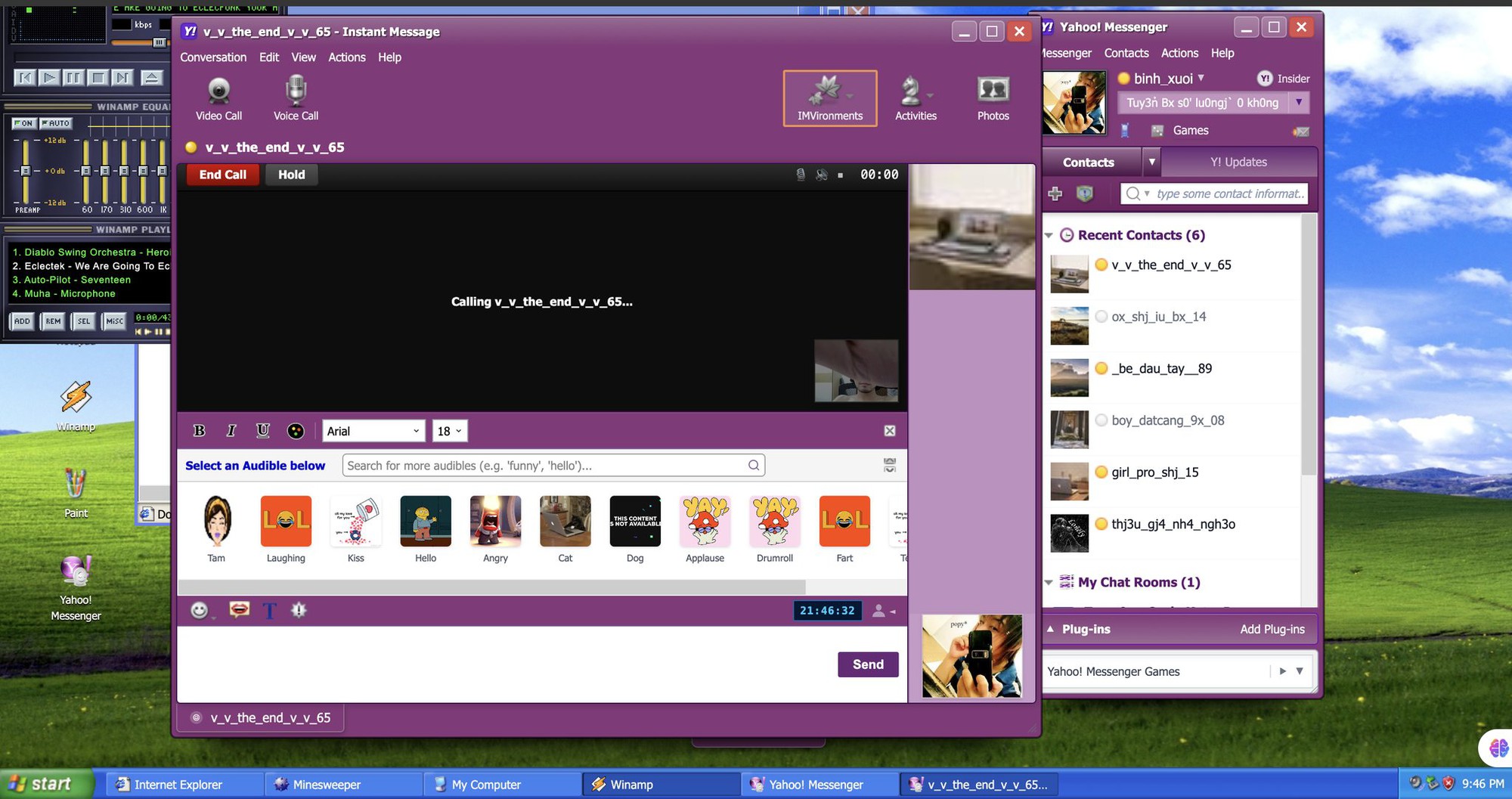
This is exactly what’s happening with Yahoo Chat Comeback, a personal project built in about two weeks by Mai Anh Bảo, a 1995-born programmer and Bach Khoa graduate, simply because he missed it so much. The app perfectly recreates the full visual memory of Yahoo Messenger on Windows XP: the iconic green desktop, taskbar, drag-and-drop windows, Winamp playing music, and the buzz sound shaking the screen. All running right in your browser.
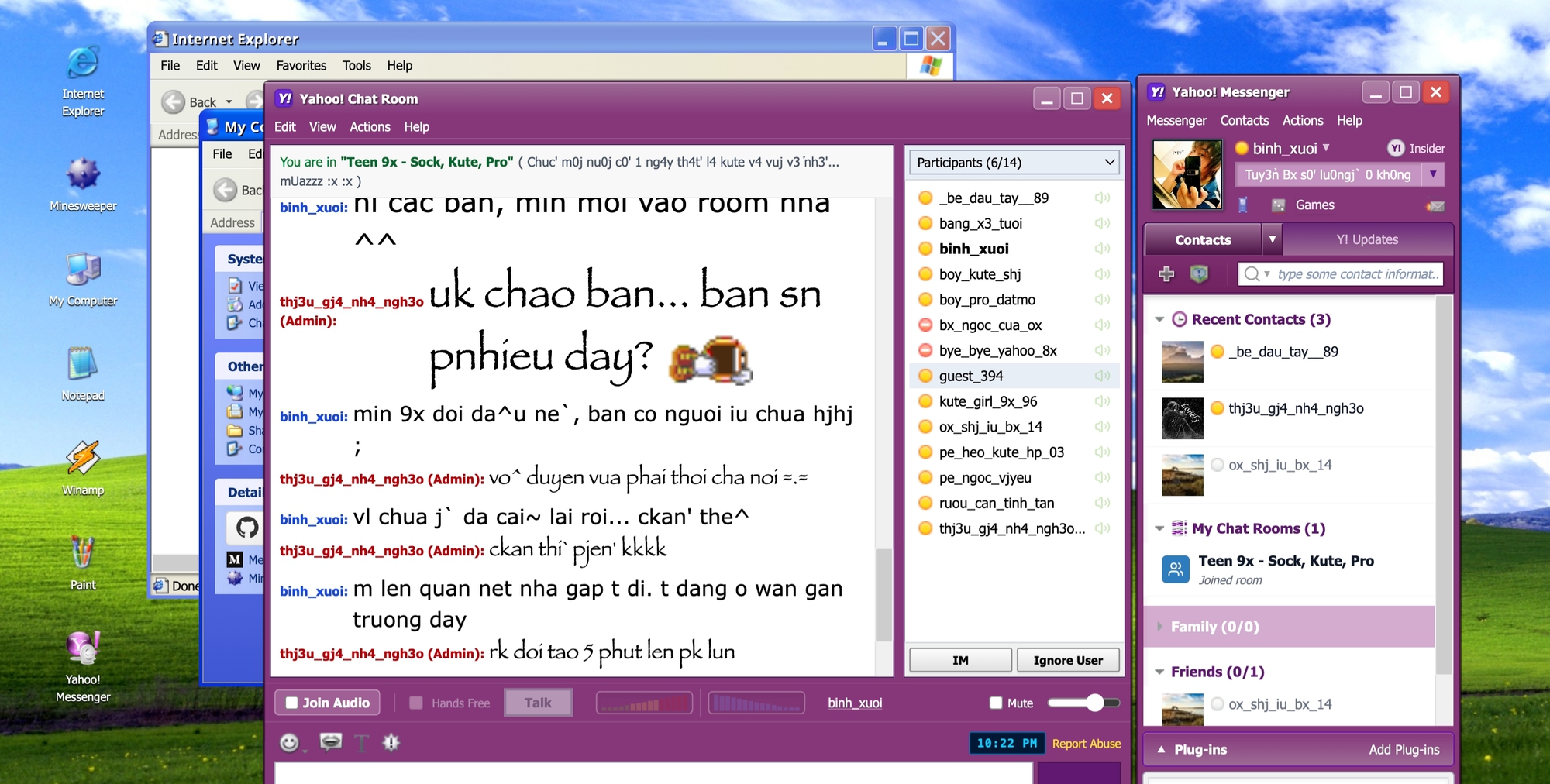
The post on J2Team Community went viral on day one. Hundreds flooded the comments, sharing old nicknames, tagging friends from Audition days, asking how to recover passwords forgotten since 2009. This reaction was totally predictable. For Vietnam’s 80s-90s generation, Yahoo wasn’t just an app. At its peak, Yahoo 360 Plus alone had over 1.5 million registered users in Vietnam, a massive number for the internet scale back then. For many, it was their first social network, the first place they made friends online, the spot to chat with their crush at 11 p.m. over a slow 56k connection.
But among hundreds of comments, one person nailed it: “The problem isn’t the app. The problem is the people.”

The app can recreate the interface, but not the network
Yahoo Chat in 2003 was alive not because of a slick interface or fancy features. It was alive because it was the only place to meet strangers online back then. Your whole class, school, neighborhood was there, and that concentration created an energy no simulation can match.
By 2025, that network has shattered into hundreds of pieces. Yahoo-era friends are now scattered across Zalo, Facebook, or completely out of touch. No matter how perfect an app revival is, it can’t bring them back into the same chat room. That’s why every old platform comeback ends the same way: MySpace’s 2013 revival quietly failed, AIM shut down for good in 2017 despite multiple attempts. Users don’t lack apps, they lack people to chat with on those apps.
We don’t miss Yahoo Chat, we miss who we were back then
Looking closely at the comments, almost no one says “Yahoo Chat was great because of feature X” or “interface Y was better than current apps.” Instead, people say things like “miss skipping class,” “miss my high school crush’s nickname,” “miss the thrill of getting buzzed at midnight.”

The object of nostalgia isn’t the app itself, but the version of ourselves at 17, before deadlines, before pressure, when meeting strangers online was magical, not scary. One user put it perfectly: “It’s like your first phone. Always nostalgic, but if you had to use it again…”
That unfinished sentence says it all.
The real value isn’t in the chat features
Interestingly, Mai Anh Bảo seems to understand this from the start. “I don’t think we can truly bring Yahoo back. It’s just to give friends and peers a moment to travel back in time and revisit happy memories,” he shared.
Seen this way, the project succeeds exactly as intended. The most valuable part of Yahoo Chat Comeback isn’t the chat or voice call features, it’s the comment section below the post, where hundreds share old nicknames, call out to each other, and laugh at cheesy teenage nicknames. The app is just an excuse, the real product is that conversation.
This isn’t an isolated case. Around the same time, another dev in the community is recreating Ola Chat, someone else suggested rebuilding Zing Me. There’s a quiet wave of Gen Y Vietnamese programmers using their skills to reconstruct their generation’s collective memories.
The app will lag, empty out, and probably be forgotten in a few weeks, that’s normal. But the feeling it pulls out on a random evening, when someone types their old nickname and smiles alone at the screen, no server needs to store that.

