

According to the Wall Street Journal (WSJ), the lawsuit between Elon Musk and Twitter might be the strangest court case in the history of U.S. corporate mergers. The Tesla founder has spun the public and Twitter itself around, first pushing hard to buy the social network, then trying to back out of the deal.
Twitter initially acted all high and mighty, not wanting to fall into the hands of the super-rich Elon Musk. But after intense pressure, they reluctantly agreed to the $44 billion price tag, which many experts say was way too high since no one really wants to pay that much for a social platform full of chaos.
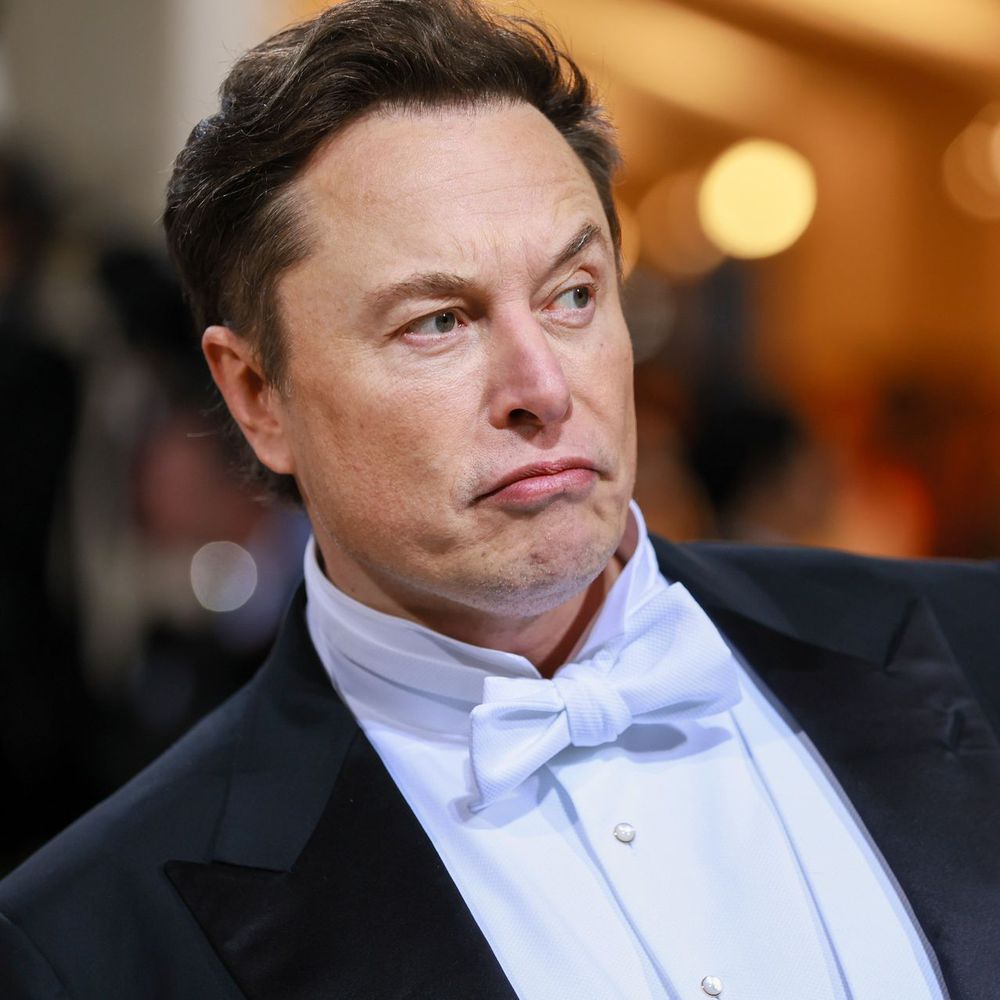
Then, when Twitter’s stock price plunged 32% from $54.20 to $36 per share, Musk started trying to ditch what many called a “bad deal.” Twitter quickly sued him for breach of contract, despite having ignored Musk’s initial offers.
Musk accused Twitter of faking data, spreading false info, and making management moves without his consent, like freezing hiring and cutting staff.
WSJ reports that many legal experts believe Musk’s arguments aren’t strong enough compared to Twitter’s, since he hasn’t clearly explained the damages that justify walking away.
Hiring freezes and layoffs aren’t unique to Twitter. Even giants like Meta (Facebook) and Tesla are adjusting their workforce costs.
The irony is that even if Twitter wins in court, they can’t force Musk to complete the deal. There’s no law that locks buyers into paying for something they no longer want. At worst, Musk could lose his deposit and pay some penalties.
WSJ notes smaller deals have seen courts require buyers to follow through on signed terms, but no $44 billion deal in the U.S. has ever forced a buyer to close against their will. Usually, these mega deals end with renegotiations or the buyer accepting penalties.
A similar case happened in 2020 when Tiffany sued fashion giant LVMH for backing out. Tiffany eventually agreed to lower the price from $16.2 billion to $15.8 billion to close the deal.
In Musk’s case, the contract states he must pay $1 billion if the deal falls apart, a tiny amount compared to his $220 billion net worth.
The Chase Game
At the end of January 2022, Musk bought 22.8 million Twitter shares and kept buying through February and March, owning 9% of the company worth $2.6 billion, making him the largest individual shareholder.
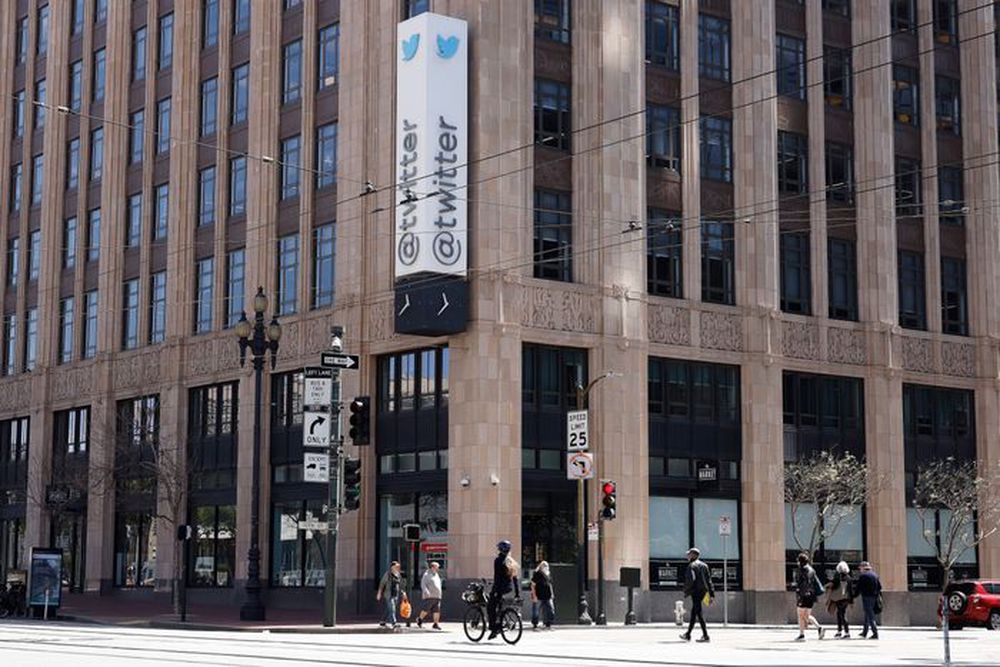
Musk openly debated whether to buy or build a rival social network. When his stake was revealed in April 2022, he had secretly negotiated with Twitter for nine days.
At first, Musk wanted a board seat, but on April 9, 2022, just hours before Twitter agreed, he pulled out. Four days later, he shocked everyone by offering to buy Twitter outright at $54.20 per share, totaling $44 billion.
Musk’s cocky attitude irritated Twitter’s management, who initially ignored his offer. But eventually, the social network couldn’t resist the massive $44 billion price, since no one else was willing or able to pay that much.
Twitter’s acceptance made headlines worldwide as the richest man shifted his focus to social media business.
But the story didn’t end there. Both Twitter and Tesla stocks dropped amid worsening macroeconomic conditions. COVID lockdowns in China hit Tesla’s Shanghai factory, and inflation pressures pushed Tesla’s stock even lower.
It’s worth noting most of Musk’s $44 billion came from selling or pledging Tesla shares. By May 24, 2022, Tesla’s stock had lost nearly 50% from its November 2021 peak, wiping out over $100 billion of Musk’s wealth and weakening his ability to fund the Twitter deal.
Currently, Tesla’s stock is down 37%, meaning Musk will have to pledge even more shares to raise enough cash. He remains Tesla’s largest individual shareholder with 16% ownership.

