

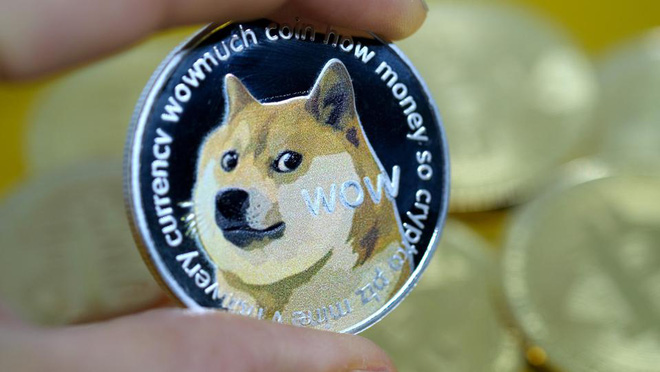
In an exclusive interview with Decrypt, the Dogecoin development team confirmed that billionaire Elon Musk offered to fund the crypto project back in 2019. However, Musk’s offer was declined. Instead, Dogecoin’s creators asked Musk to provide advice as they planned to improve the coin to become a more eco-friendly alternative to Bitcoin.
“Working with Doge developers to improve system transaction efficiency. Promising potential,” Musk tweeted. Dogecoin then jumped from about $0.43 to $0.52 on Binance right after the tweet.
According to CoinMarketCap.com, Dogecoin went from being a ‘worthless’ coin at the end of 2020 to the fourth largest cryptocurrency by market cap, rising over a hundredfold this year as speculators rushed in. Under Musk’s backing, Dogecoin’s price soared from $0.008 in January 2021 to an all-time high of $0.71.
SpaceX also announced plans to launch the “DOGE-1 Mission to the Moon” in early 2022, accepting Dogecoin as payment.
Due to Dogecoin’s wild price swings, many have become millionaires, mostly young retail investors with a high-risk appetite willing to invest in volatile coins. Glauber Contessoto, a 33-year-old investor from Los Angeles, is one such example. He became a millionaire after investing $180,000 borrowed money into Dogecoin, turning it into over $1 million. More recently, Aziz McMahon, CEO of Goldman Sachs’ London branch, quit his job after making millions from Dogecoin.
However, some experts continue to warn about Dogecoin’s overheated growth.
“The rise of Dogecoin is a classic example of the Greater Fool Theory. When everyone is buying Dogecoin, the bubble will eventually burst and you’ll suffer heavy losses if you don’t exit in time. It’s nearly impossible to predict when that will happen,” said David Kimberley, analyst at investment app Freetrade, in an interview with CNBC.
“You can make quick profits if you time it right, but mistiming the market is brutal,” added Adam Zadikoff, CEO of BRD, a crypto wallet with over 7 million users.
Summary

