

When paleontologists introduce dinosaurs, they usually divide them into two groups: carnivores and herbivores. Herbivorous dinosaurs are named for eating plants, not literally grass. That’s because scientists long believed grass didn’t appear on Earth until the late Cretaceous period, meaning no dinosaurs could have eaten grass.
But recently, paleontologists have revised this view, pushing back the timeline for grass-eating dinosaurs to the early Cretaceous, about 125 million years ago, when grass first appeared. This discovery came from studying fossils of the dinosaur Equijubus found in China.
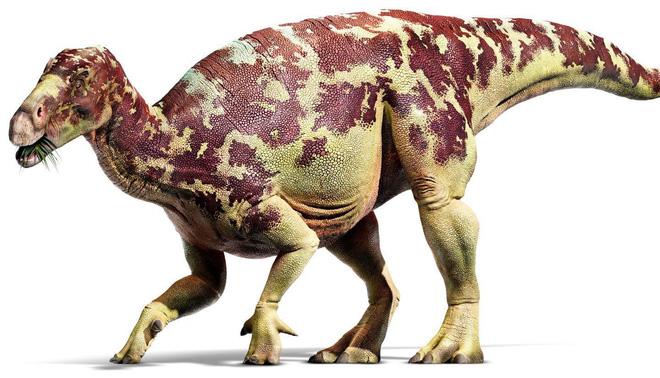
Mazong Mountain is located at the northern end of the Hexi Corridor in Gansu Province, China. The mountain is named for its resemblance to a horse’s mane flowing in the wind. Though remote and barren, beneath its gravelly surface lie the remains of creatures that died hundreds of millions of years ago.
In 2000, a joint expedition by Chinese and American paleontologists began excavating fossils in the Mazong Mountain area. They uncovered a large number of fossils during this dig.
Chinese paleontologist You Hailu studied a new dinosaur species from these fossils and named it Equijubus. The genus name comes from the Latin words “equus” meaning “horse” and “juba” meaning “mane,” inspired by the mountain’s name. The full name Equijubus normani honors the famous British paleontologist David B. Norman.
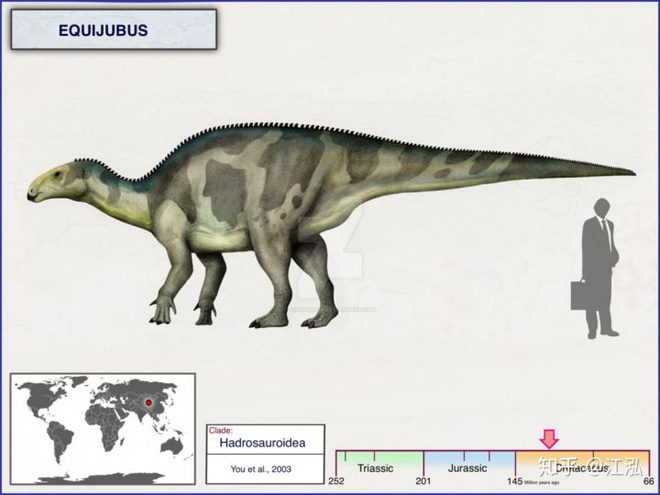
Equijubus is considered an intermediate species between Iguanodon and the Hadrosauridae family. It was fairly large compared to a basic Hadrosaurid but could still run on its two hind legs when escaping predators.
The fossil specimens include skulls, lower jaw bones, cervical and dorsal vertebrae, and other parts. Analysis shows Equijubus belonged to a primitive Hadrosaurid group, sharing features with both Hadrosaurids and Iguanodon.
Paleontologists estimate Equijubus could reach 7 meters long, 2 meters tall, and weigh about 2.5 tons, almost the size of a small truck. It had a long head, a horny beak at the front of its mouth, and flat teeth inside its cheeks, perfect for chewing tough plants. Its sturdy body usually moved on four legs but could sprint on two when threatened.
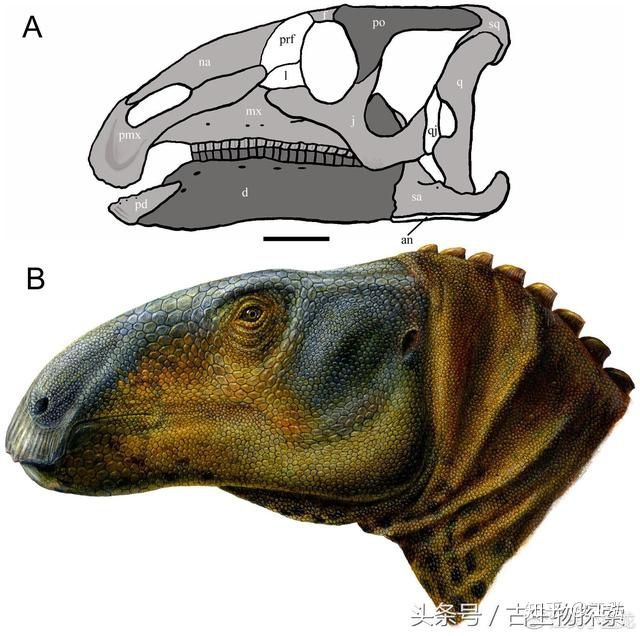
Though fossils of this species are rare, discovering Equijubus is hugely significant for paleontology. As a very primitive Hadrosaurid, it suggests that Hadrosaurids may have originated in Asia and evolved directly from Iguanodon.
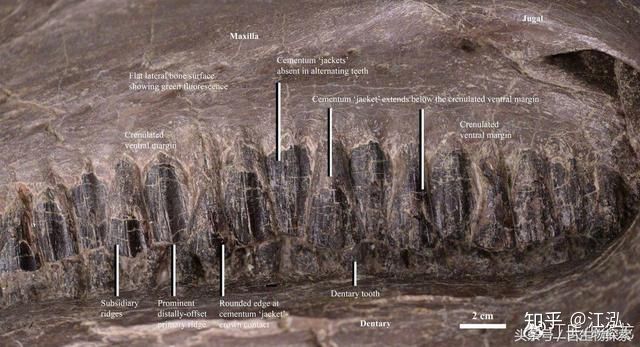
Fourteen years after Equijubus was named, researchers revisited its fossils using the latest technology. They found evidence that these herbivorous dinosaurs really did eat grass!
On December 21, 2017, You Hailu and other paleontologists published a study titled “Epidermis and Related Crystals from Cretaceous Gramineae Dinosaurs in China” in the National Science Journal of China. The study revealed that microscopic structures of primitive grass family plants were silicified between the teeth of Equijubus fossils, proving these grasses were part of its diet.
To answer whether herbivorous dinosaurs really ate grass, it’s important to know that the grass family is huge, with over 650 genera. Crops like rice, wheat, corn, millet, and sorghum, all essential to human life, belong to this family, along with many other edible plants.
People have long questioned when grasses first appeared, and the timeline was unclear. Scientists once thought grasses appeared after dinosaurs. But thanks to the fossil secrets of Equijubus, we now know grass existed 125 million years ago. This means dinosaurs back then truly did graze on grass.
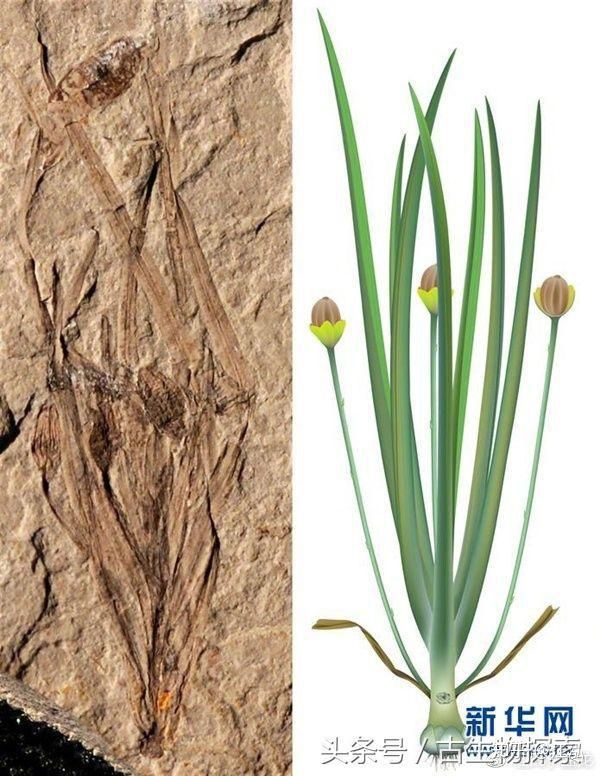
The earliest known seed plants may date back to the middle Jurassic or earlier, about 164 million years ago. Found in the Jurassic Boda Formation in Inner Mongolia, these plants were only a few centimeters tall but already had roots, stems, leaves, and fruit.

