

A Wild Drunken Night and an Unplanned Digital Diary
According to tech site Dexerto, this bizarre incident happened at Missouri State University in the US. The suspect is Ryan Schaefer, a 20-year-old student. Around 3 a.m. one day in 2025, fueled by alcohol, Schaefer completely lost control and went on a rampage destroying public property on campus. He smashed windshields, dented car roofs, and ripped off side mirrors from multiple cars parked in the lot.
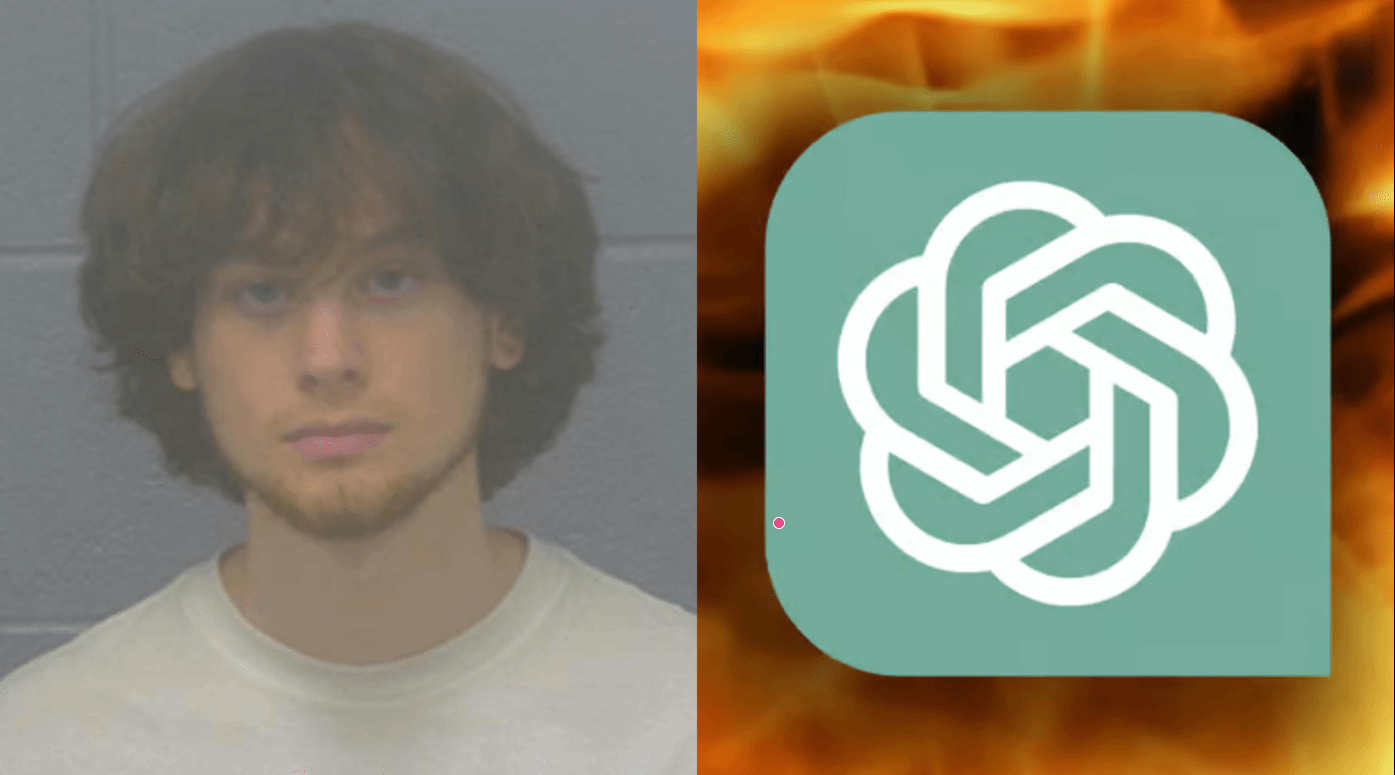
But what made this case blow up in the news wasn’t just the vandalism itself. Instead of covering his tracks, avoiding security cameras, or keeping quiet, Schaefer got anxious and confused. In a mental breakdown, he opened his iPhone, logged into ChatGPT, and poured out his guilt and fears to the AI, using it as an emotional outlet.
“Am I Going to Jail?” Confessions Recorded by AI
Local police later retrieved the entire chat history, calling it “a deeply troubling record.” Despite many typos from his drunken state, the messages gave a raw look into his criminal mindset and past offenses.
Schaefer bombarded the AI with self-incriminating questions like “Am I going to jail?” and “Can they find out it was me?”. He even bragged about previously dodging charges: “I got away with it last year, and I think they won’t recognize my face this time either.”
The chat also revealed his twisted mindset, swinging between pride “Smashing everything feels amazing” and immediate regret “How bad of a person am I?”. Every word of his confession was stored by the AI system.
The Price of Naivety About Technology
Using this digital confession as key evidence, along with clues from the scene, police quickly tracked down and arrested Ryan Schaefer, who still thought he was “invisible.”
The local court recently issued a preliminary ruling banning Schaefer from entering any establishments serving alcohol. He must also undergo random drug and alcohol tests to monitor his behavior.
Official sources say the final trial is set for July 27, 2026. Facing charges of intentional destruction of public property, Schaefer could get up to one year in jail. This unusual case has become a modern cautionary tale with a sharp lesson: online actions always leave a trace, and blindly trusting AI privacy can land you in serious legal trouble faster than you think.

