

Team Ricochet, the developer behind Call of Duty’s anti-cheat software, just rolled out some interesting updates. They introduced a creative new way to fight hackers that’s sure to frustrate cheaters.
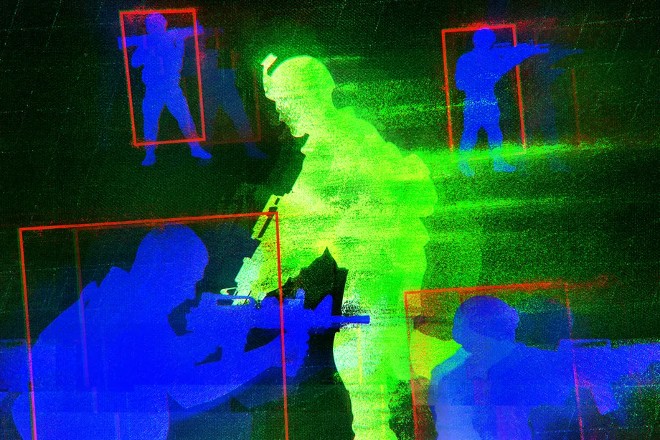
The new anti-cheat method actually makes legit players invisible to hackers. No matter what cheat software hackers use, they won’t be able to beat real players because they simply can’t see or interact with them.
“Hackers won’t see the player characters, their bullets, or even hear any sounds from legit players,” Team Ricochet explained. “Of course, legit players can still see hackers and take them down.”
Making legit players invisible is the latest anti-cheat tactic Call of Duty has adopted. Earlier, they introduced Damage Shield, which made bullets fired by hackers do no damage to regular players.
Although Team Ricochet just revealed this invisibility feature, it seems to have been quietly active in Call of Duty: Warzone since mid-February. A video showing how this anti-cheat method works was shared on Twitter.
The Call of Duty developers also said they’ve banned tens of thousands of hackers in recent months. However, some hackers are still allowed to play so the team can gather data needed to identify and stop cheating.
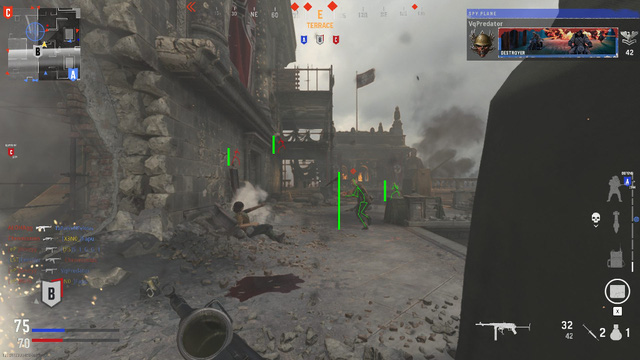
Legit players are still encouraged to manually report hackers, which helps improve the automatic cheat detection features.
Ricochet’s kernel-level anti-cheat driver, which runs locally on players’ computers, used to support only Call of Duty: Warzone but now also supports Vanguard. According to Eurogamer, Ricochet’s anti-cheat system has long had server-side components for both Call of Duty versions.
In a blog post, Ricochet confirmed they banned another 54,000 accounts since their last major update. That update saw over 90,000 accounts banned. Banned players are removed from leaderboards.
As cheat technology evolves, game developers must come up with new and creative ways to fight back. The methods Call of Duty is using now could set the standard for anti-cheat in the gaming industry going forward.
Source: Quan Tri Mang

