

It seems Amazon isn’t planning to slow down its reach anytime soon. In recent weeks, the company announced plans to spend billions on two massive acquisitions that, if approved, would expand its growing presence in consumers’ lives.
Recently, Amazon has targeted two key areas: healthcare, with its $3.9 billion purchase of One Medical, and smart homes, where it aims to strengthen its already powerful foothold through a $1.7 billion deal to acquire iRobot, the maker of the popular Roomba robot vacuum.
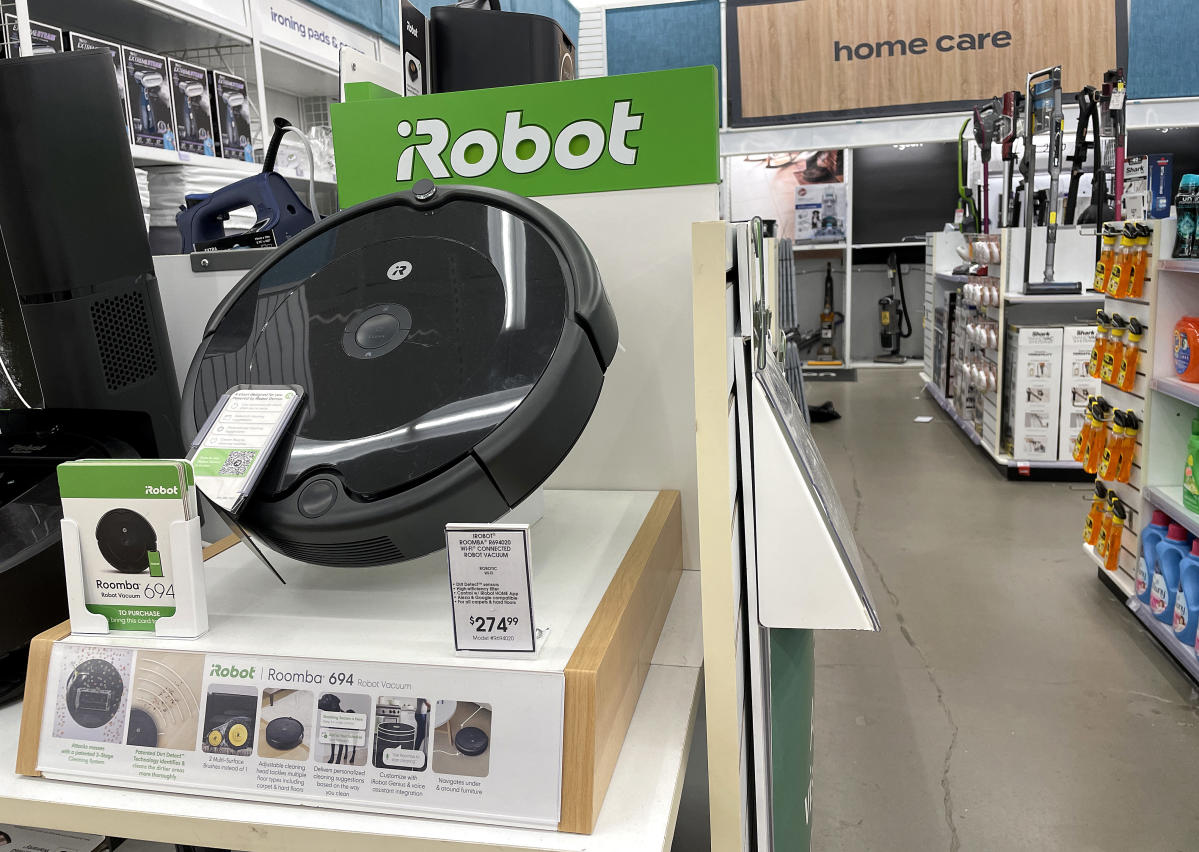
While Amazon has long been known for its massive user database, these new acquisitions raise fresh privacy concerns about how Amazon collects data and what it does with it. For example, the latest Roomba models use sensors to map and remember the layout of users’ homes.
Ron Knox, an Amazon critic working with the anti-monopoly group Institute for Local Self-Reliance, said, “Amazon will gain a huge dataset from Roomba robots about people’s homes, along with data from all the other products they sell to consumers.”
But Amazon’s reach goes far beyond that. Estimates suggest the retail giant controls about 38% of the US e-commerce market, letting it gather detailed data on millions of Americans’ shopping habits and even more worldwide. Meanwhile, Amazon’s Echo devices, including the Alexa voice assistant, dominate the US smart speaker market with roughly 70% of sales, according to Consumer Intelligence Research Partners.
Ring, which Amazon bought in 2018 for $1 billion, monitors doorways and helps police track criminals, sometimes without users even realizing it. At some Amazon and Whole Foods stores, the company is testing palm-scanning technology that lets customers pay by storing biometric data in the cloud, sparking worries about data breaches despite Amazon’s assurances.
Even consumers who try to avoid Amazon might not escape its grasp. Alongside Google, Amazon dominates cloud computing services through AWS.
Ian Greenblatt, head of technology research at data analytics firm JD Power, said, “It’s hard to find another organization with as many touchpoints to an individual as Amazon.”

Kristen Martin, a technology ethics professor at Notre Dame University, noted, “For companies like Amazon, data collection isn’t just about the data itself. They’re trying to paint a broader picture of the individual.”
Analysts try to assess Amazon objectively, but most agree that unlike Meta and Google, which focus mainly on selling ads, Amazon benefits more from data collection because its main goal is selling products.
Alex Harman, competition policy director at the anti-monopoly group American Economic Security Project, said, “For Amazon, data means you end up buying more and getting locked into their ecosystem.”
Overall, Amazon is becoming more and more intimidating…

