

This series of “dirty content” videos not only disgusts viewers but also raises serious concerns about media ethics among some young creators.
Cringe-Worthy Setups and Clickbait Tactics on Social Media
On TikTok, short clips with hundreds of thousands of views keep popping up. But instead of offering entertainment or positive messages, these videos take a negative route: deliberately using provocative angles, crafting suggestive scripts, and slipping in subtle adult content.
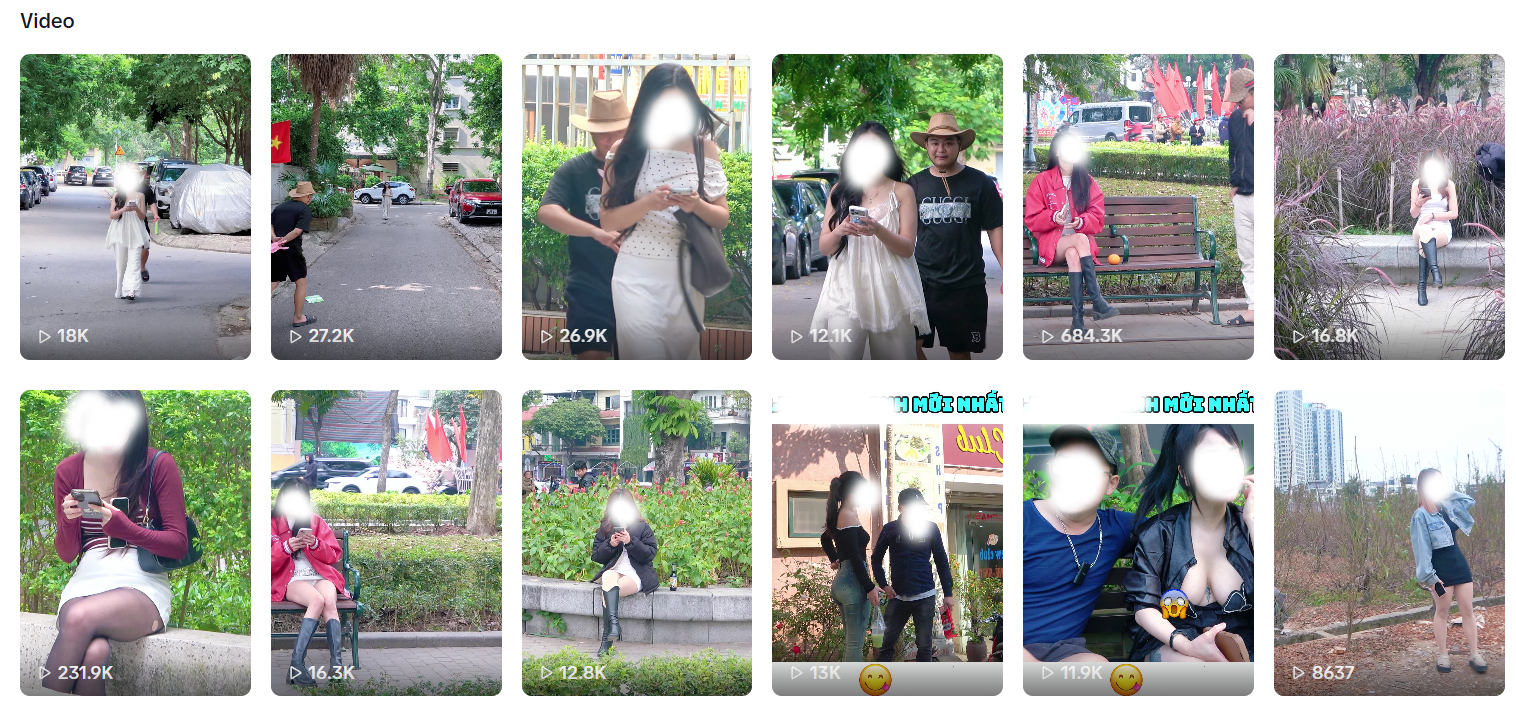
These videos often stage everyday scenarios but pack them with details meant to trigger inappropriate associations. Careless wardrobe choices, camera angles focusing on sensitive areas, and suggestive expressions and dialogue make viewers uncomfortable.

Even when showing simple activities like outdoor chores or housework, the way the scenes are arranged and the actors’ attitudes clearly show they’re chasing views no matter what.
Public Outrage: “Trash Content Has No Place on Social Media!”
Under these viral posts, the online community is fed up. Countless comments harshly criticize the creators for deliberately sensationalizing and exploiting sensitive topics just to grab attention.
Many users don’t hold back with their blunt remarks:
“This guy keeps making trashy videos.”
“Completely garbage content! They don’t know how else to get views besides using these sensitive details.”
“Watch carefully and you’ll see it’s really tasteless and uncultured.”
“No ethics anymore, just making videos recklessly for some fake likes.”


Many also point out this isn’t a one-off mistake but a coordinated effort by a whole team. Both male and female participants clearly know what they’re doing but still choose to trade their dignity for views.
Trading Ethics for Fake Engagement
The flood of disguised adult content videos highlights a worrying trend in today’s content creation scene. With social media algorithms favoring attention and watch time, many creators are willing to cross ethical lines.
They know sensitive, provocative, or controversial topics easily spark curiosity. Instead of investing in good scripts, skills, or meaningful messages, they take the quickest but most harmful route: creating scandals and making content vulgar.
This irresponsibility not only pollutes the online environment but also directly impacts young people’s perceptions, who are the biggest social media users daily.
Strong Community Pushback and Stricter Rules Needed
As “dirty content” gets sneakier, just complaining isn’t enough. The online community must use its greatest power: actively reporting and firmly boycotting channels and accounts that produce offensive content.
Meanwhile, authorities and platform managers need to enforce tougher penalties, remove accounts that break community standards, and even permanently ban those spreading harmful material. It’s time for everyone to work together to clean up the internet and restore a healthy entertainment space.

