

The rise of social media platforms and livestreaming has created a booming new career: the “livestream idol.” With just a phone and internet connection, anyone can become the center of attention.
But the darker side of this industry is becoming clearer as many female streamers choose the fastest route to fame and money: turning on extreme revealing and provocative modes. This reckless approach not only draws public disgust but also raises serious warnings about its impact on future generations, especially children.
Twisted Tricks on Live Streams
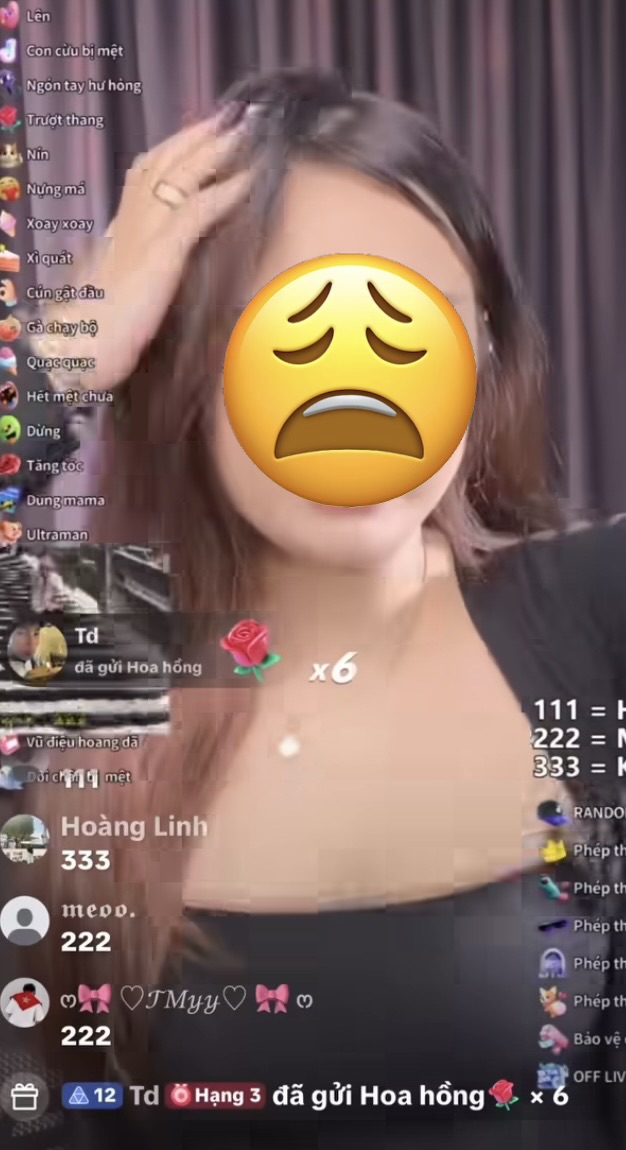
Recently on live platforms, viewers often see “internet idols” wearing skimpy outfits and deliberately performing provocative moves on camera. The ultimate goal behind these eye-sore acts is very practical: hunting for gifts and cash from fans.
To encourage viewers to send virtual gifts that convert to real money, idols offer teasing promises or increase their revealing behavior based on the number of gifts received. This shortcut of flaunting their bodies turns the online space into a vulgar environment where moral values are sacrificed for quick material gain.
The Hidden Danger When Kids Are Left Unfiltered
The biggest concern, sparking online uproar, is that these contents have no effective barriers for young viewers. In reality, the algorithms of short video platforms constantly run, so with just a swipe, harmful livestreams like these can easily appear on a child’s screen.

One social media user expressed deep worry:
“If kids scroll through top trending and see this live, it’s really dangerous.”
Many others agree, noting that society has started to see many negative effects from children being exposed too early to inappropriate content. Kids are like blank slates, lacking the awareness and mental filters to distinguish artistic beauty from commercialized vulgarity. When they see “internet idols” making big money just by dressing scantily and posing provocatively, their mindset can become seriously distorted. This leads kids to imitate careless behaviors, neglect learning and skill-building, and develop a warped view of money and human dignity.
The Backlash Grows
Faced with a flood of “trash” content, the online community no longer stays silent or treats it as harmless fun. Instead, a wave of strong criticism and boycotts is spreading across forums. Under posts or clips showing revealing livestreams, most comments express disgust, calling these acts “cheap and clickbait.”
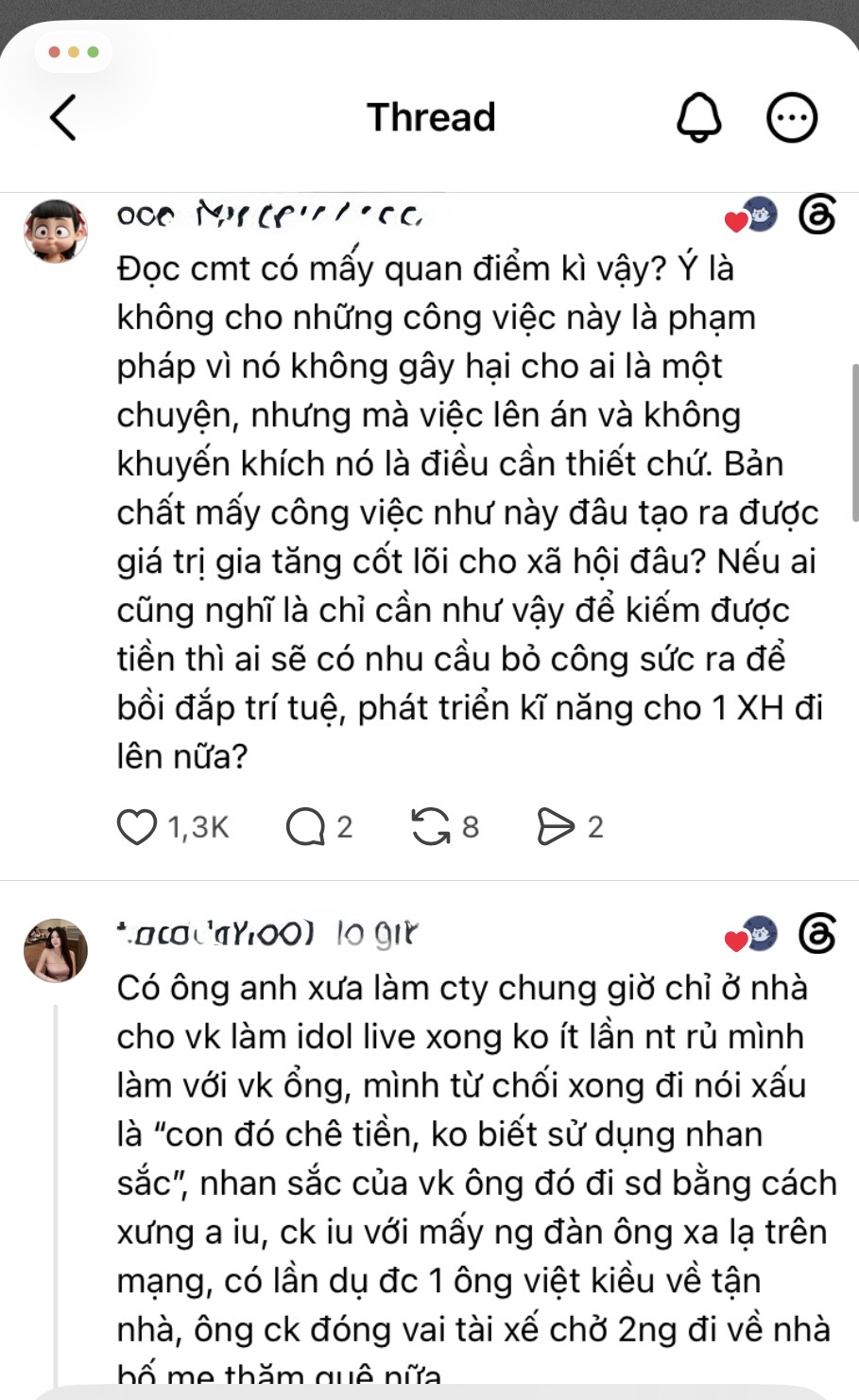
Many bluntly point out that these jobs don’t create any real value for society. One social media user shared a view that got thousands of likes:
“It’s necessary to condemn and discourage this. Jobs like these don’t add core value to society. If everyone thinks they can just do this to make money, who will invest effort in building knowledge and skills for a better society?”
This fierce reaction shows netizens are becoming smarter and tougher about online content. While a few still defend it as “using looks to make money,” most realize that trading dignity and fake intimacy to lure money from strangers is an unhealthy lifestyle that deserves criticism.

The reality of idols turning on extreme revealing modes is no longer just an individual’s quest for fake fame. It has become a troubling social issue that directly threatens the environment where young people grow up.
To stop this danger, we can’t rely only on streamers’ self-discipline or viewers’ complaints. Stricter algorithm filters are needed, along with tighter rules on clothing and behavior during live broadcasts. Accounts that deliberately use revealing tricks to bait interactions should have livestreaming disabled or be permanently banned, not just lightly warned.

