

Cats are ambush predators, masters at sneaking up on their prey and overpowering it with sheer strength. Their hunting style relies on camouflage and individual power, so being bigger gives them a clear advantage when taking down prey.
Dogs, on the other hand, are endurance hunters. They can’t finish off prey with a single strike like cats do. Instead, they bite repeatedly at the hips and legs to cause blood loss, shock, and exhaustion. For dogs, speed, stamina, and teamwork are key. Being too bulky would actually hurt their ability to chase prey over long distances.
That’s why big cats like lions, tigers, and leopards can quickly overpower large animals. Meanwhile, smaller canids like wild dogs, wolves, and African painted dogs rely on pack strength and endurance to take down big prey. Their body structures evolved perfectly for their hunting styles.
But who says cats only ambush and dogs only chase? In their long evolutionary history, dogs never evolved into giant ambush predators like the big cats.
Historically, dogs had three subfamilies: Borophaginae, Hesperocyoninae, and Caninae. These groups competed to be top predators, but none evolved into the massive hunters cats became.
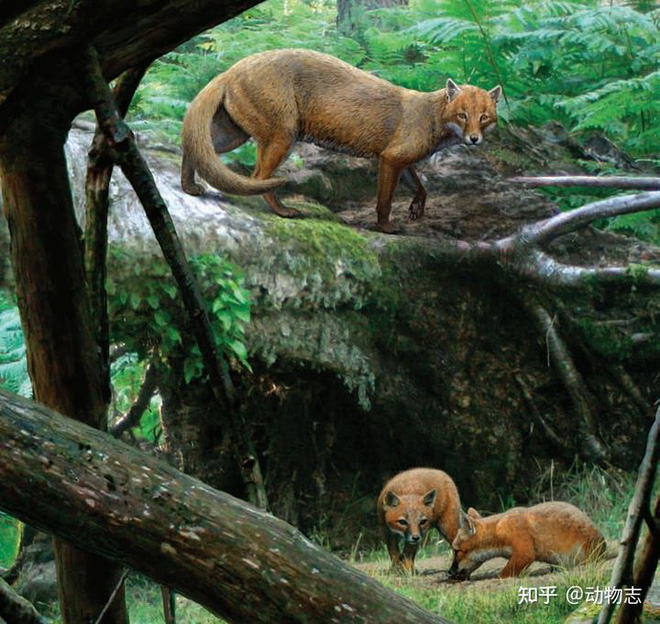
The earliest dogs appeared with the Hesperocyoninae subfamily about 40 million years ago in western North America. They were tiny, weighing just 1-2 kg, mostly feeding on small rodents like rabbits and mice. Fossil evidence shows they lived in groups even then.
So from the start, dogs lived in packs and relied on group strength, which limited individual size growth.
Over time, dogs evolved bigger and stronger. Around 21 million years ago, a 20 kg species called the Austrian dog emerged, the first large dog ancestor, eventually splitting into wolves and wild dogs.
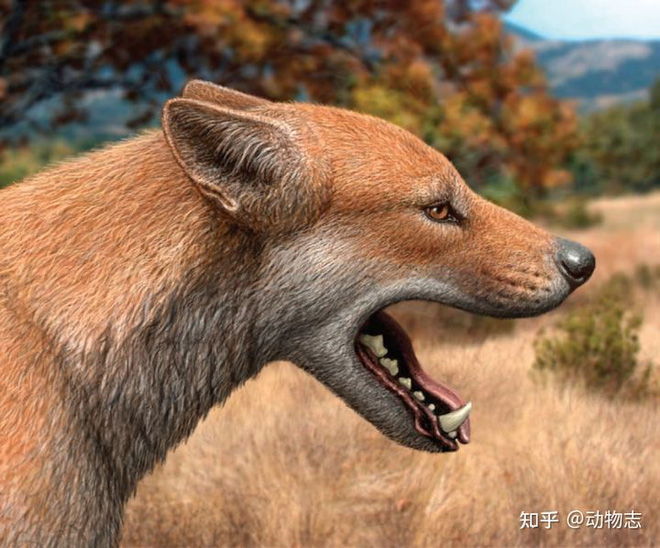
At this time, the common ancestor of cats was still hiding in European forests. So dogs were ahead of cats in evolution back then.
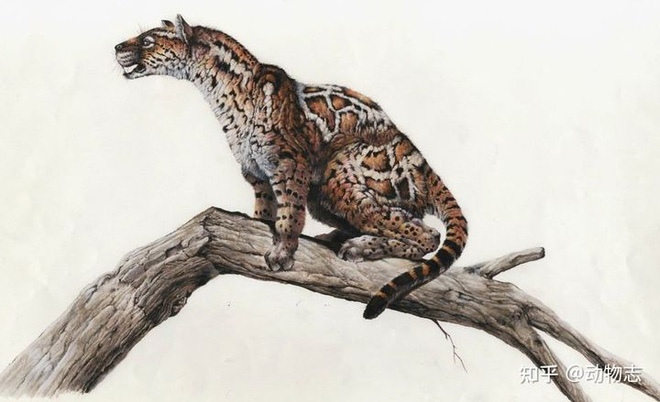
But this first dog subfamily suddenly vanished 15 million years ago, ending their rise. What happened? This ties directly to the next subfamily.
The second dog subfamily, Borophaginae, was the most successful in dog evolution. They were the largest and most diverse group, but during their reign, cats started to surpass them.
Borophaginae appeared around 32 million years ago. To avoid competing with the first subfamily, early members were small omnivores, weighing under a few kilograms, similar to today’s raccoons.
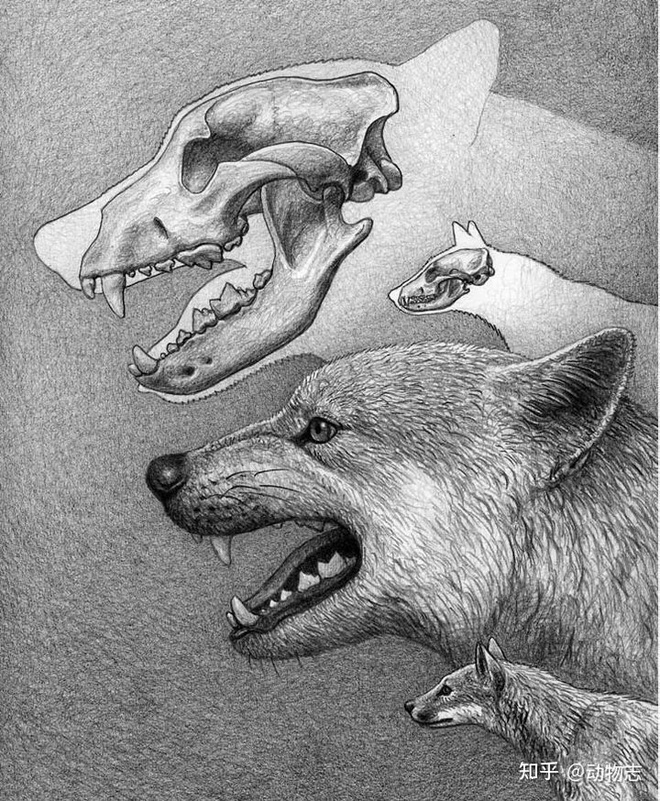
Later, they grew bigger and became more carnivorous, challenging the first subfamily. In this evolutionary arms race, the first subfamily lost out. By the Miocene 16 million years ago, Borophaginae species weighed 20-40 kg and replaced the first group.
With the first subfamily extinct, Borophaginae entered their golden age. At one point, 30 dog species lived in North America, compared to just 9 today.
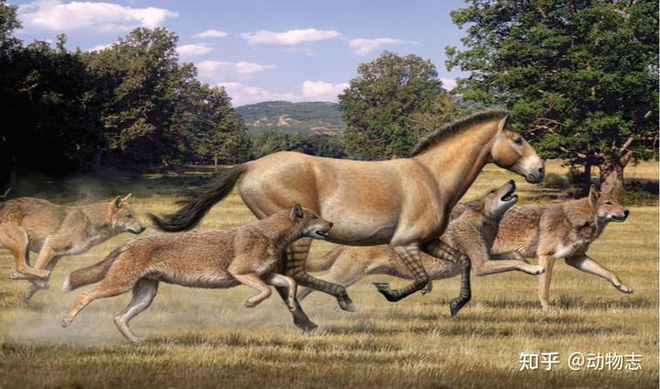
Starting 17 million years ago, cats began invading dog territory in North America. Climate changes cooled the planet, turning forests into grasslands. This environmental shift sparked fierce competition, leading to the decline and extinction of Borophaginae.
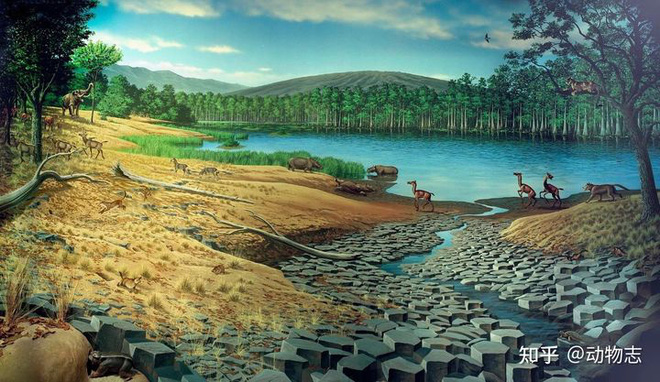
In open environments, ambush hunting became harder. Cats, built for stealth with strong necks and sharp claws, had the edge. They could silently approach prey and quickly deliver fatal strikes.
Under pressure from cats, Borophaginae shifted toward scavenging, eating bones and carrion. Without hyenas in North America, this niche was open. This strategy led to their final glory with giant species like Epicyon, some over 100 kg. But their main rivals were saber-toothed cats weighing over 300 kg.
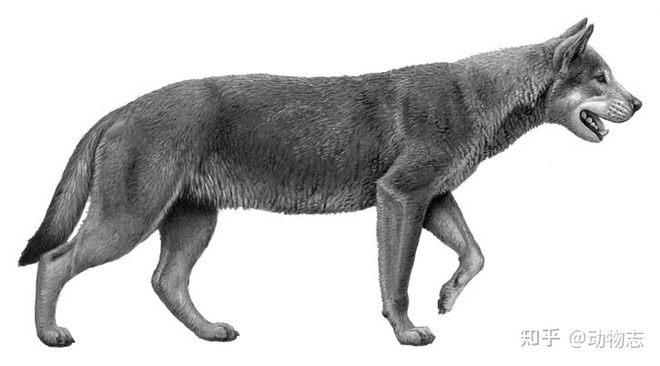
After Epicyon’s extinction, the last Borophaginae evolved smaller, scavenging forms weighing 20-40 kg, similar to modern hyenas. But even they went extinct 2 million years ago, outcompeted by cats.
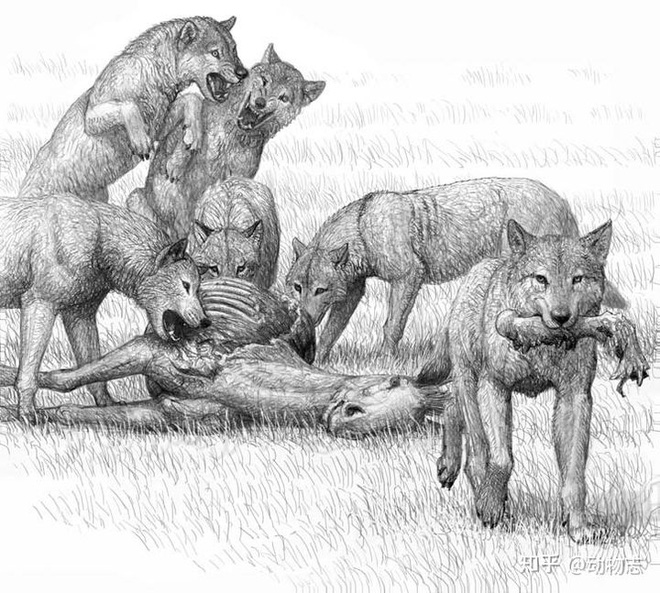
While the second subfamily battled cats, the third dog subfamily, Caninae, quietly emerged. Though appearing around the same time as Borophaginae, Caninae stayed small for a long time, just a few kilograms.
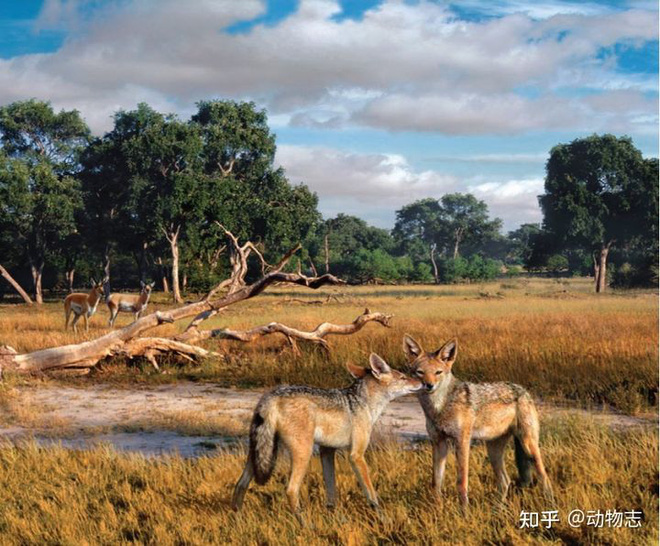
This group had slender necks and limbs, with a reduced thumb and slim toes. Paleontologists call them “gracile dogs.” Modern wild dogs, wolves, and foxes all descend from this subfamily.
Their lighter build made them less powerful but better runners. As prey evolved to be faster and environments opened up, these traits gave Caninae an edge. The bulky Borophaginae failed, while Caninae thrived in long-distance hunts.
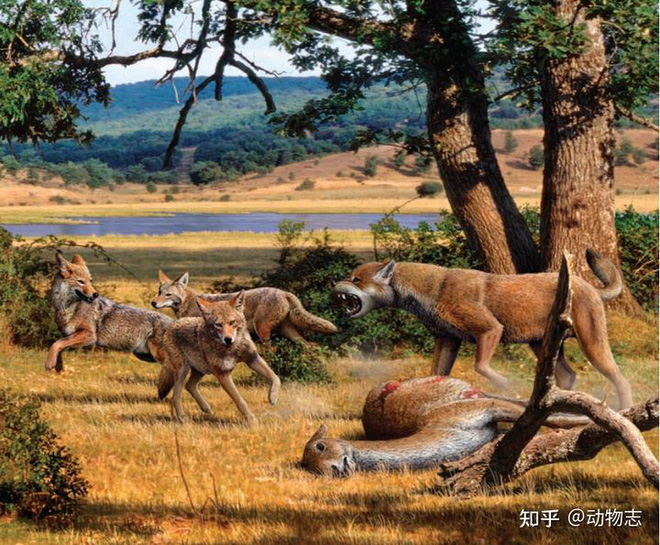
The downfall of Borophaginae shows that being huge can hurt survival chances. From then on, dogs couldn’t compete with cats in size. Cats became the largest land predators over 100 kg.
Caninae took a different evolutionary path. They stopped trying to match cats in size and instead used their endurance running to succeed. Today, wolves and red foxes are some of the most widespread carnivores worldwide.
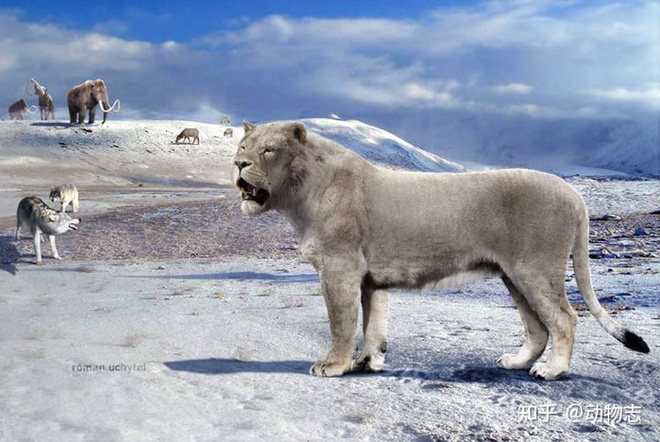
Still, dogs never matched cats in size. The largest Caninae, the dire wolf, reached about 80 kg in the late Pleistocene, while saber-toothed cats weighed over 400 kg.
Like big dogs before them, giant cats eventually went extinct too. Around 12,000 years ago, saber-toothed cats and mane-less lions disappeared. Among Caninae, dire wolves died out, but modern gray wolves survived and replaced cats as North America’s top predators. Though smaller than tigers and lions, dogs ultimately won the evolutionary battle for this continent.
After 17 million years of rivalry, the cat-dog feud is deep in their DNA. Today, pet cats and dogs often fight. Tigers and leopards prey on dogs, while African wild dogs and jackals gang up on leopards whenever they meet.

