

Social media, especially livestream platforms like TikTok and Facebook Gaming, have long been a favorite hangout spot for young people. Among the features, “PK” (a live battle where two streamers compete to get more gifts from viewers) is the go-to tool for streamers to boost engagement and earn money. By the unofficial rules of this virtual world, the loser has to perform a “punishment” (also called “paying the PK bet”) set by the winner or the audience.
But these PK battles are increasingly turning toxic.
Recently, the Vietnamese online community was shocked by a clip showing a young girl, born in 2010, performing her punishment by licking multiple burning candles directly with her tongue. This wasn’t just a reckless teenage prank but revealed a worrying trend of distorted awareness, where young students risk their safety for online fame.
The video quickly spread across groups and the Threads platform, taken from a livestream PK session. The main figure is a 16-year-old female student (born in 2010). After losing an online match, she had to complete the punishment to end the PK. Instead of harmless fun like singing, dancing, or smearing soot on her face, this punishment was violent and self-destructive: licking burning candles.
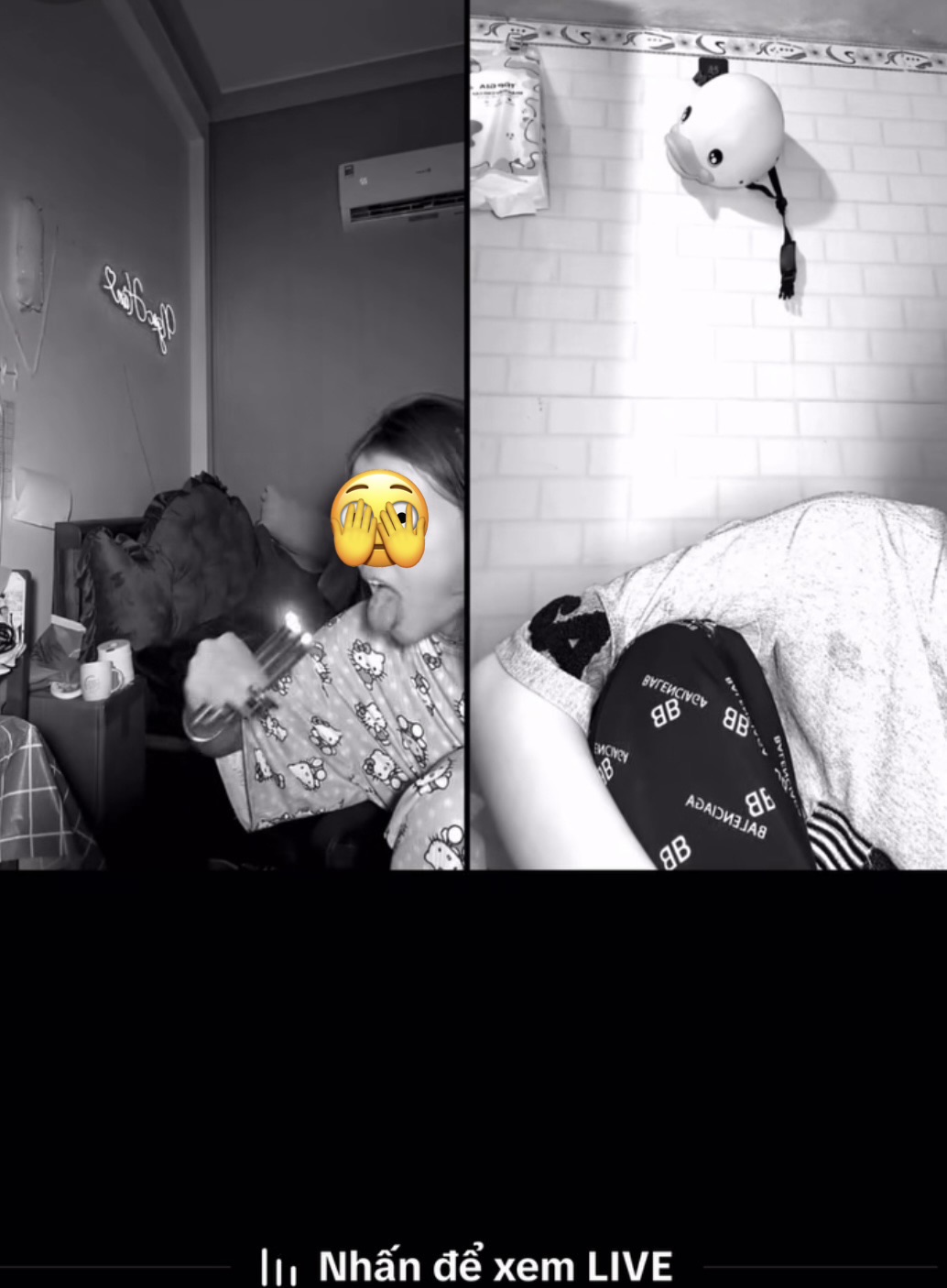
In front of hundreds, even thousands of live viewers, she lit several large candles. Instead of hesitating or refusing due to the obvious danger, the 2k10 girl appeared calm, even a bit thrilled to show off her “coolness.” She repeatedly stuck out her tongue and licked the flames directly, ignoring the heat and dripping hot wax. The clip left viewers horrified by the recklessness and numbness of a school-aged child.
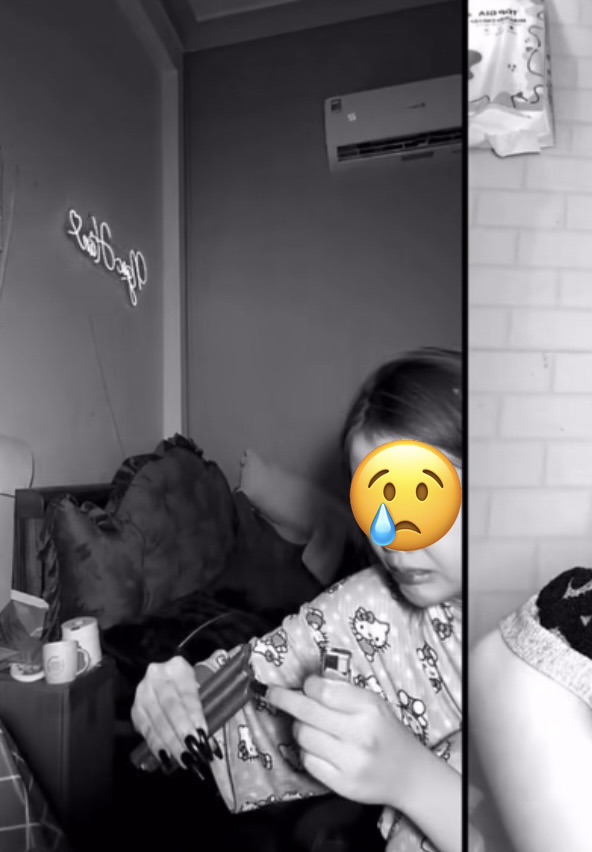
After the video went viral, a wave of harsh criticism targeted the girl and those who demanded the punishment. Across forums, parents and responsible young people expressed deep concern and outrage.
Many social media users exposed the dangerous ignorance behind this act.
Candle flames burn at extremely high temperatures. The tongue is packed with sensitive taste nerves and has a very thin protective layer. Direct contact with fire causes immediate burns. Industrial candle wax often contains harmful chemicals for color and scent. When melted wax drips into the mouth, it can cause poisoning, deep infections, permanent scarring, and loss of taste.


This 2k10 girl licking burning candles isn’t an isolated incident but the tip of a scary iceberg called the “social media attention addiction syndrome.” Previously, many young people have harmed themselves or eaten dirty raw food just to get famous online.
For kids born in 2010 (who will be about 16 in 2026), their minds are developing rapidly but social awareness is still incomplete. They easily get caught up in the virtual values of follower counts, likes, and gifts that can be cashed out on livestream platforms.
When someone gets praised for a risky stunt, others tend to copy it (the crowd effect), creating a dangerous chain reaction in schools. They start thinking that to make money and get famous, people can do any crazy thing, no matter their dignity, honor, or safety.
Stopping this toxic content from poisoning youth requires strong, coordinated action.
Families and schools should stop neglecting supervision and handing kids smartphones without limits. Parents need to closely monitor what their children access and participate in on social media. Schools should include lessons on “Online Survival Skills” to help students understand the line between healthy entertainment and cheap self-harm for views.
Technology platforms must take responsibility for stricter content moderation. AI systems and moderators should immediately detect and shut down streams with violent, self-harming content or that encourage minors to do dangerous stunts. Permanently banning violators is necessary to clean up the online environment.
Authorities need to impose heavy fines and even criminal charges on those who organize, challenge, or lure children into life-threatening acts on social media for profit.
The image of the 2k10 girl calmly licking a burning candle is a painful example of how some young people’s awareness is corrupted by the lure of virtual fame. Making money or seeking attention isn’t wrong, but never trade your body and dignity for soulless algorithms and toxic curiosity.

