

In the age of booming short-form social media platforms and the rise of “everyone’s a content creator,” many account owners are willing to expose the most private parts of their lives just to grab attention, create clickbait, and push their posts into trending feeds. Even more concerning is the growing trend of openly discussing sensitive topics, like “underage sex,” as content, which has sparked fierce backlash from the online community.
From a Shocking Post to an Explosive Public Reaction
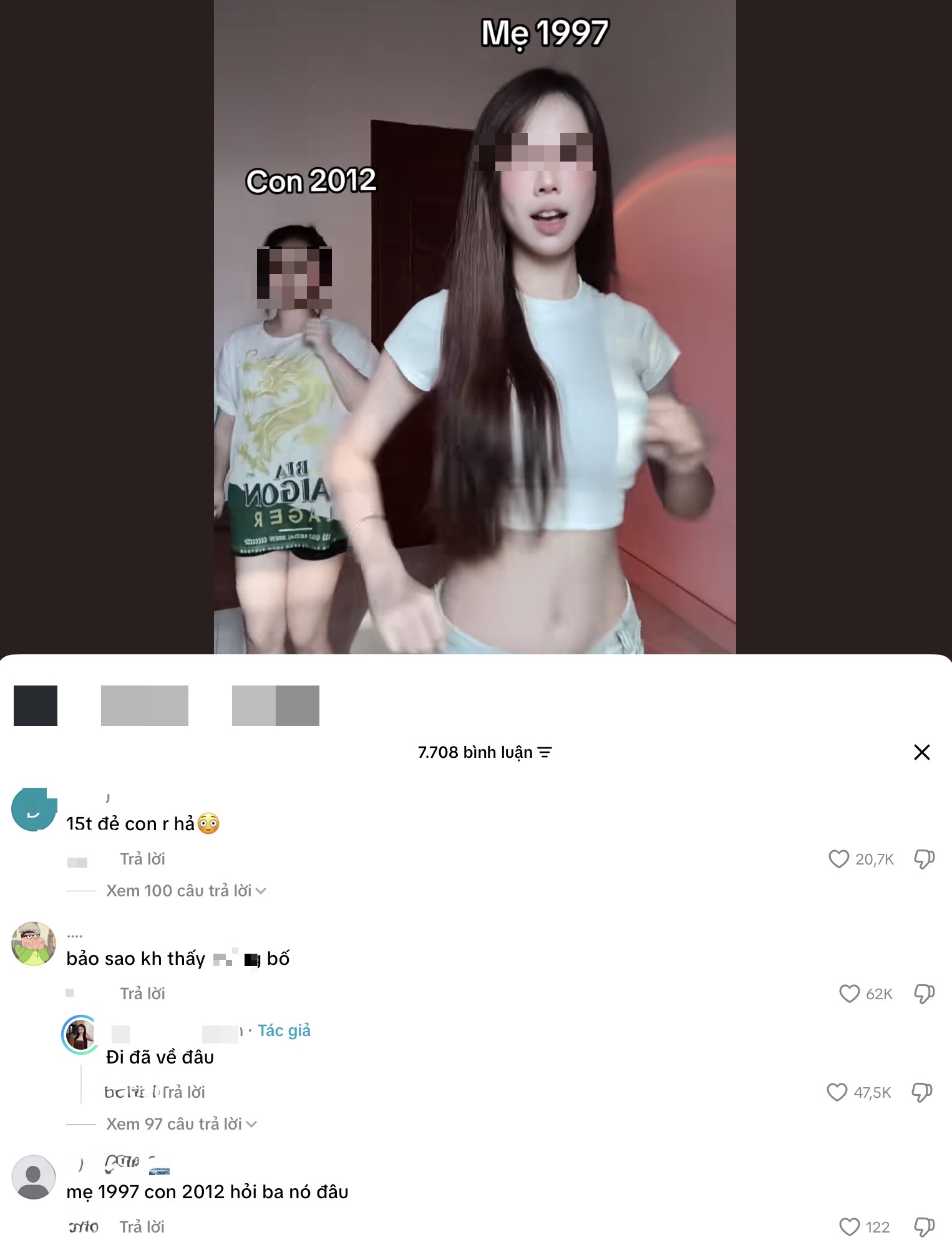
This all started with a video featuring a young, attractive girl accompanied by a provocative and blunt caption about her personal experience with underage sex. Instead of offering scientific sex education, the post used playful, sensational language designed purely to stir curiosity.
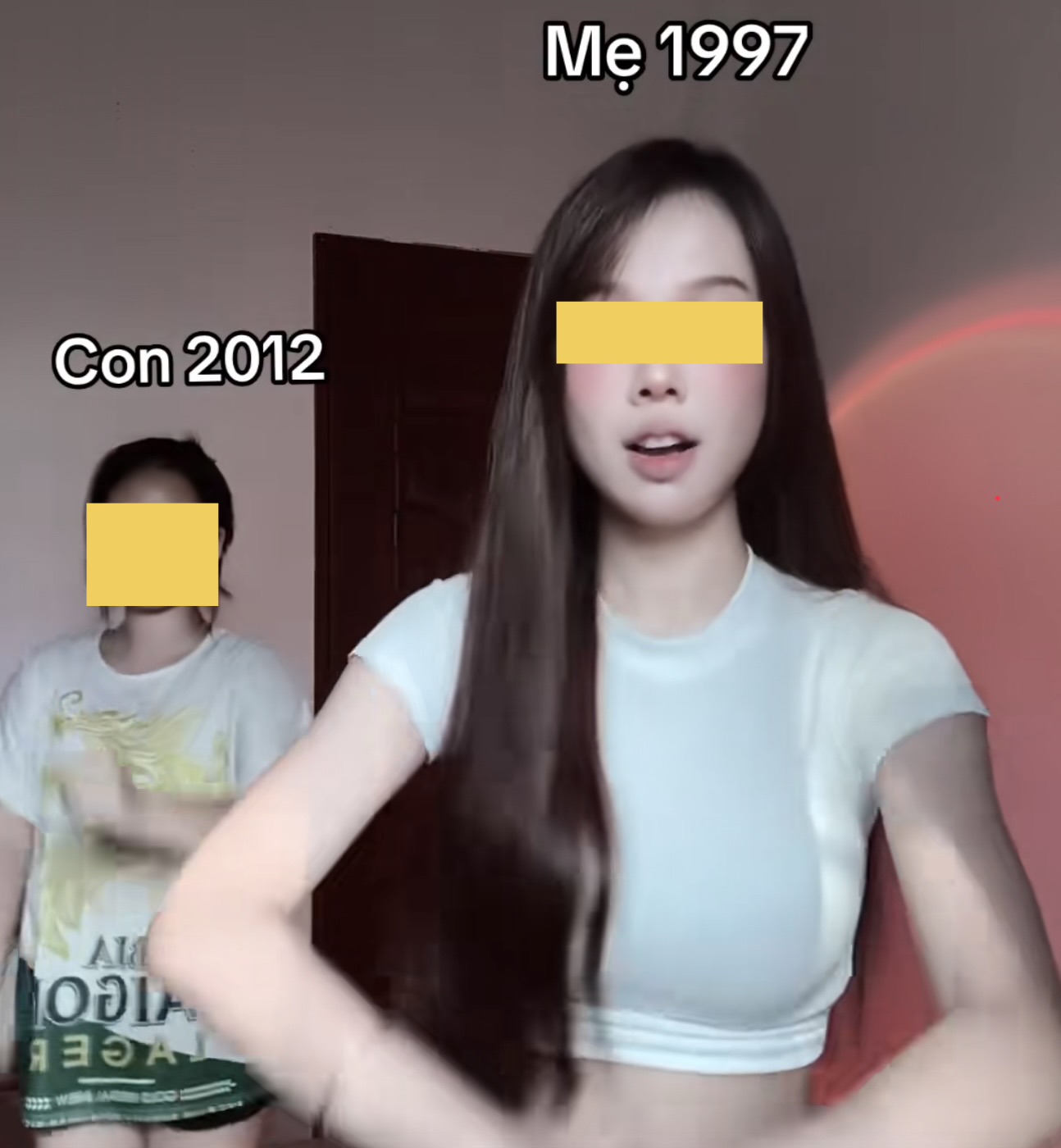
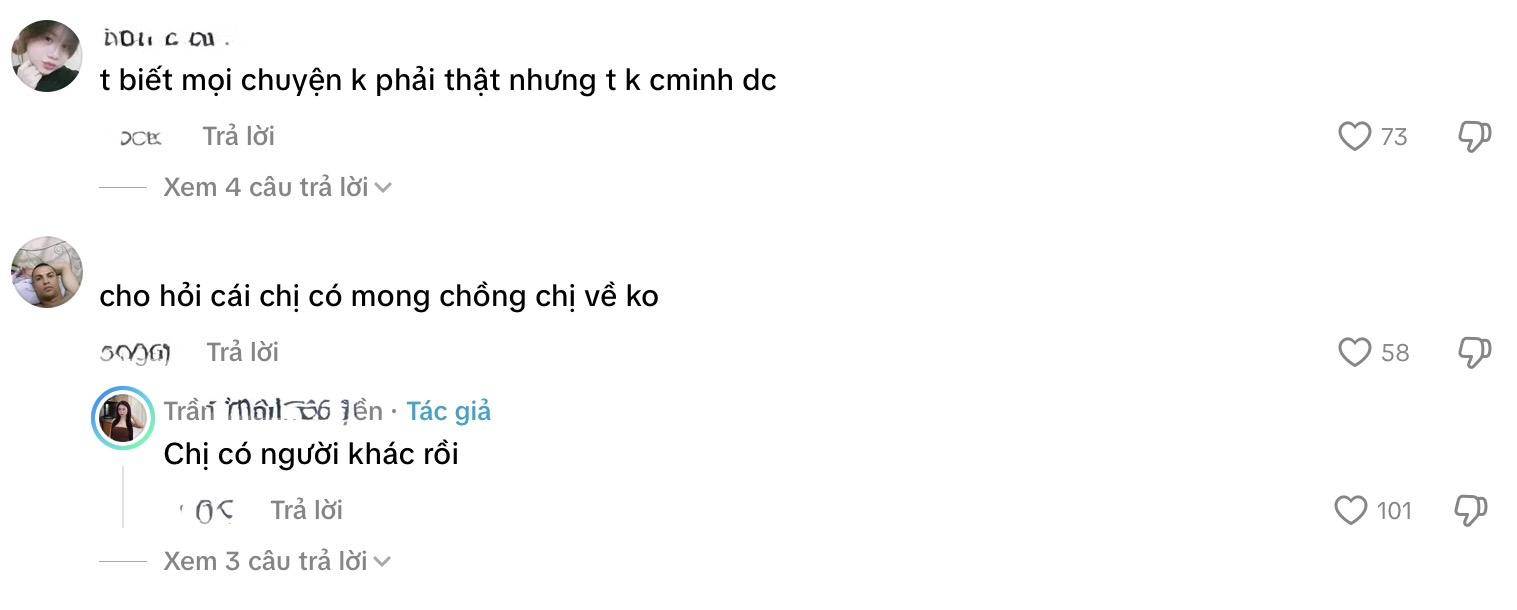
The post quickly turned into a heated debate with hundreds of comments from netizens. Instead of an open discussion, most people expressed disgust, anger, and harsh criticism:
“All toxic content, soon everything will be used as content.”
“This isn’t openness, it’s ignorance and breaking the law.”
“Why would anyone think it’s cool to brag about this online for everyone to see?”
The public outrage wasn’t just about the lifestyle choices but focused on the commercialization of private data and normalizing illegal behavior for fake internet fame.
Using underage sex as online content carries serious consequences far beyond simple entertainment posts.
Ignoring Legal Boundaries
Vietnamese law has strict rules protecting children and minors from abuse or premature sexual activity. When someone openly shares or boasts about underage sexual experiences, depending on the ages involved, it could be self-incriminating evidence of a criminal offense (like sexual acts with someone aged 13 to under 16).
When such content is spread with humor or normalized tones, creators show a dangerous lack of legal understanding and may even encourage deviant, illegal behavior among young viewers.
Misguiding the Younger Generation
Social media spreads ideas quickly and encourages imitation. Platforms like TikTok and Threads have many users who are students still forming their personalities and worldviews. When they constantly see posts casually sharing stories about “breaking the rules” early and getting lots of attention, it can distort their mindset. They may start to see this as normal, a sign of “maturity,” “coolness,” or an easy way to get noticed. This overshadows important warnings about reproductive health, mental well-being, and social risks of early sexual activity.
Twisting the Meaning of “Sex Education” and “Openness”
Many try to defend this kind of sensitive content by claiming “freedom of speech” or a “modern open view on sex.” But there’s a clear difference between real sex education and dirty clickbait. Genuine sex education provides knowledge about safe sex, contraception, age-appropriate psychology, and self-protection against abuse. Clickbait content just focuses on crude personal stories, sensational headlines, and stirring controversy to game the algorithm.
Why do creators pick such sensitive topics? The answer lies in social media algorithms and some young people’s craving for attention.
In the digital era, likes, comments, and shares are like “emotional currency.” Getting lots of engagement satisfies the ego and can even open doors to ad revenue or sponsorships. Instead of investing time in meaningful, thoughtful content, many take shortcuts by “selling” shocking stories.
They know topics about sex, taboo subjects, or breaking moral norms are the best bait to spark debates. Whether it’s praise or criticism, the algorithm sees all interaction as good for pushing posts to the top. Ignoring social consequences and fearing being forgotten online has turned many young creators into “interaction addicts” who lose their basic judgment.
Stories about underage sex or any other sensitive private matters belong in medical consultations, official sex education classes, or absolute personal privacy, not as clickbait on social media.
The public’s rejection is the harshest punishment for creators who lack standards. Fame built on degrading oneself and spreading harmful lifestyles only brings shame and boycotts.

