

With the rise of social platforms like TikTok, Facebook Reels, and YouTube Shorts, being a content creator today means more than just coming up with ideas and filming videos. It also means dealing with all kinds of public reactions.
Recently, popular influencer Una Tố Uyên grabbed major attention online after posting a video expressing her frustration over a nasty body-shaming comment from a viewer. The incident quickly sparked debate about where the line is between “honest feedback” and personal attacks, and how creators choose to stand up instead of staying silent in the face of online abuse.
The Cold Reality Behind “Not Trying to Criticize But…”
At the start of her video, Una Tố Uyên openly shared the anger she feels facing daily negativity since starting her digital content journey. She said, “Honestly, ever since I began creating content, or even before, I’ve gotten so many messed up comments.” She used the word “messed up” to sum up the baseless negativity she’s endured from some internet users.

The tipping point came from one viewer’s comment that deeply insulted her facial features, specifically her lips: “Not trying to criticize! But why does your lip have that extra chunk of flesh like those Thai trans people from Cháy Go?” This wasn’t just a rude remark about appearance, it was also filled with offensive, discriminatory language targeting gender identity.
The Double Standards of Keyboard Warriors
One of the sharpest points Una Tố Uyên made in her video was about the widespread double standards of online bullies. Hiding behind fake accounts, they feel entitled to judge, act like supreme judges, and tear down others’ dignity. They assume that public figures and creators must tolerate all insults as part of the job.
But the irony is when the victim fights back with strong logic, the attackers suddenly play the victim. Their weak excuses like “I didn’t do anything to you, why are you attacking me?” show a serious disconnect in their mindset.

Una Tố Uyên called it out bluntly: “They think it’s okay to insult me and throw shade, but when I respond, they freak out… But clearly, they started it!” She made her stance clear: “I never start fights, I only respond when someone comes at me. I’m not wasting time picking fights.” This straightforward attitude reflects a new generation that refuses to swallow abuse quietly, knowing silence only fuels more online cruelty.
Exposing the Weak Excuse Behind “Not Trying to Criticize”
Breaking down the hateful comment, the phrase “Not trying to criticize!” is a classic fake excuse. It’s like slapping someone then saying, “I didn’t mean to hit you.” Una Tố Uyên skillfully exposed this contradiction live: “Wait, what? ‘Not trying to criticize!’ So calling me like a Thai trans person isn’t criticism? Then what actually is criticism? I don’t get it, guys.”

Comparing a woman’s lips to “extra flesh” and mocking the transgender community can’t be justified in any way. It’s a double insult: body shaming and spreading harmful prejudice against transgender people. Una Tố Uyên’s blunt question, “Then what exactly counts as criticism?” is a direct slap at the hypocrites who use softening phrases to hide their cyberbullying.

Turning Negative Energy Into Profit
Instead of breaking down or falling into a mental crisis like many victims of online abuse, Una Tố Uyên flipped the script with a bold, confident ending to her video. She used sarcastic pride to confront her haters:
“Honestly, I don’t want to argue, but fine, let’s argue and make it viral. The more viral, the more money I make. So thanks! Keep coming at me, I actually love it. If you like it, I’ll play along!”

This is a smart strategy many Gen Z creators use today. Knowing that platform algorithms reward engagement no matter if it’s positive or negative, Tố Uyên turned her antifan attacks into fuel for her fame. The more views and heated comments her clip gets, the more exposure she gains, opening doors for her personal brand.
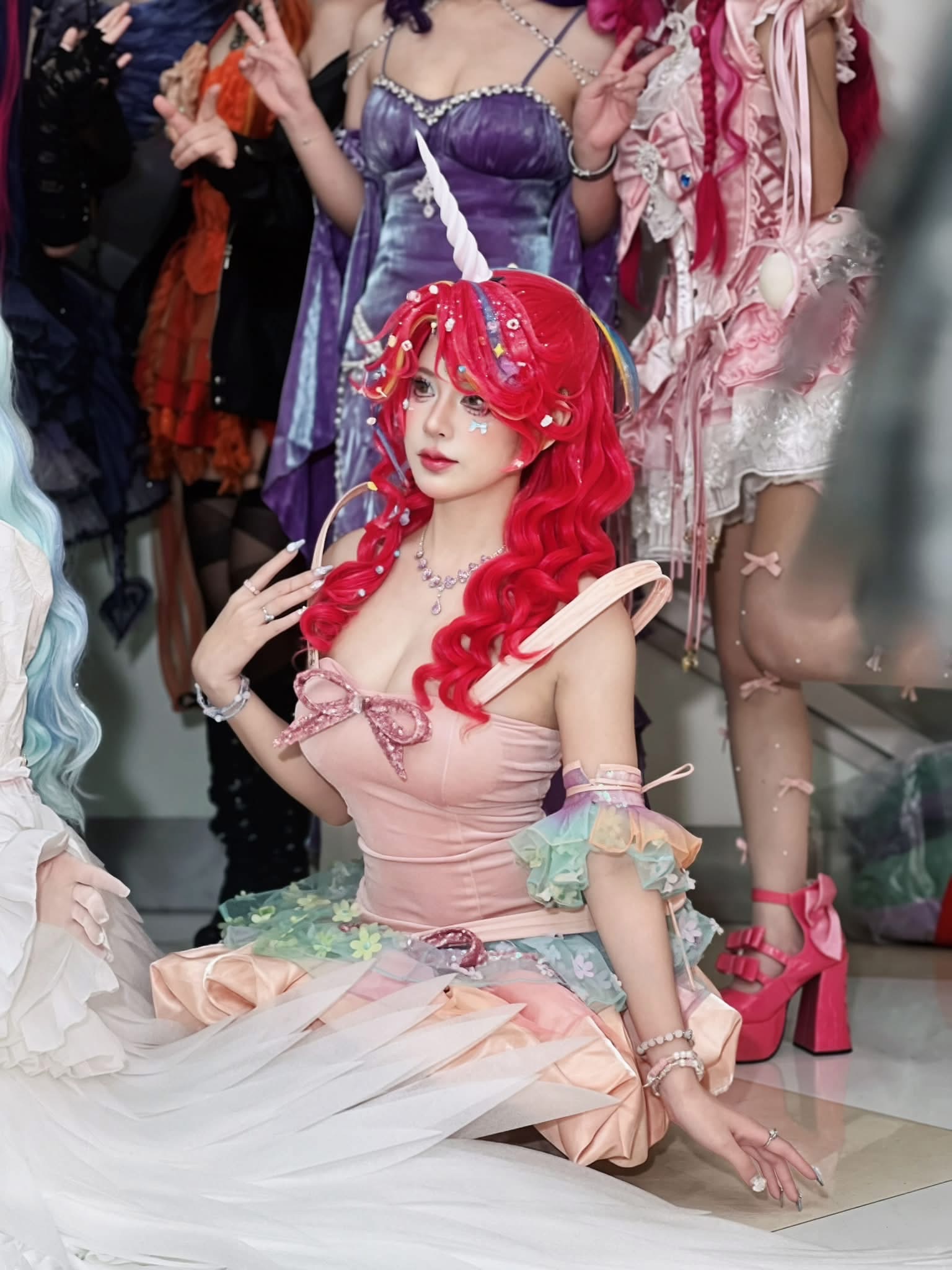
Her cheeky challenge, “Keep coming at me, I love it,” not only deflates the bully’s sense of victory but also turns them into unpaid helpers boosting her media presence. When the bully’s goal to hurt fails and becomes a joke, they lose power and look pathetic.
Una Tố Uyên’s story isn’t just her own voice. It highlights the harsh reality content creators face today. Body shaming is never a joke, and anonymity doesn’t give anyone the right to be rude.

