

From the humble internet cafes of the 90s to the modern cyber gaming centers of 2025, gaming has evolved a lot. But sitting for long hours playing games, whether at a cafe or at home, can seriously harm your physical health, mental well-being, and social life.
Recently, a 15-year-old boy in Hoa Binh played games nonstop for hours, often shaking and jerking his neck hard to relieve fatigue. Suddenly, he became paralyzed in all four limbs and had to be rushed to the hospital overnight. He arrived with severe neck pain and paralysis in his arms and legs.

According to his family, the boy often played games on his phone. Before being hospitalized, he had been gaming continuously for a long stretch. During this time, he frequently made strong neck movements like shaking and jerking, which he said helped ease stiffness. Doctors determined these sudden, forceful motions caused damage to his cervical spine blood vessels, compressing his spinal cord.
More recently, a 25-year-old man developed a severely crooked neck after long hours of gaming on his phone. His neck became so weak he couldn’t lift his head on his own. Scans showed a clear bulge caused by abnormal stretching of his vertebrae over time. He had suffered intense neck pain for six months before seeking medical help. He also struggled to swallow, leading to poor nutrition and significant weight loss.

Experts believe this condition may result from a combination of poor neck posture over long periods and an underlying developmental disorder. They urge greater awareness of the dangers of smartphone overuse, especially among young people.
Earlier, a series of images showing how a gamer’s body could deform after 20 years of nonstop gaming caught public attention. By analyzing the habits of gaming addicts, scientists predicted the negative physical effects on their lifestyle.
“They will have bloodshot eyes from lack of sleep, sunken skulls, and swollen hands. These are just the physical effects on the body, not to mention mental changes. Anyone who neglects their health while gaming could end up like this,” experts warn.
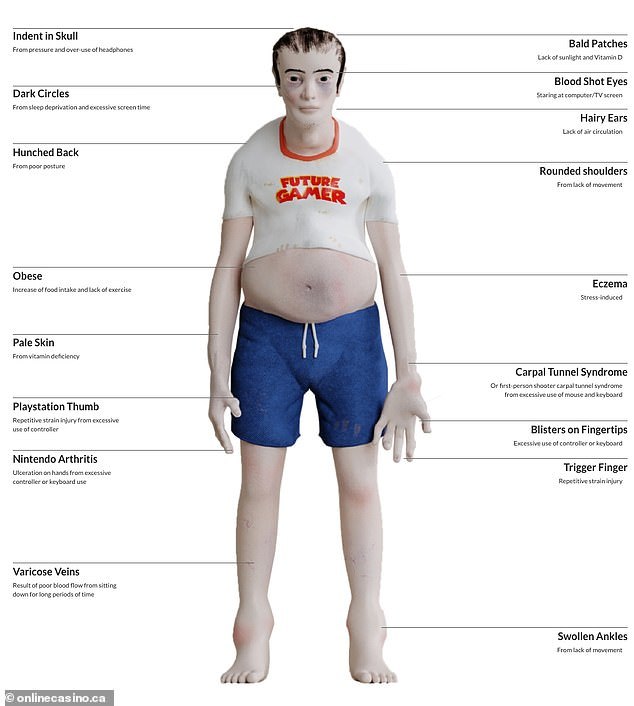

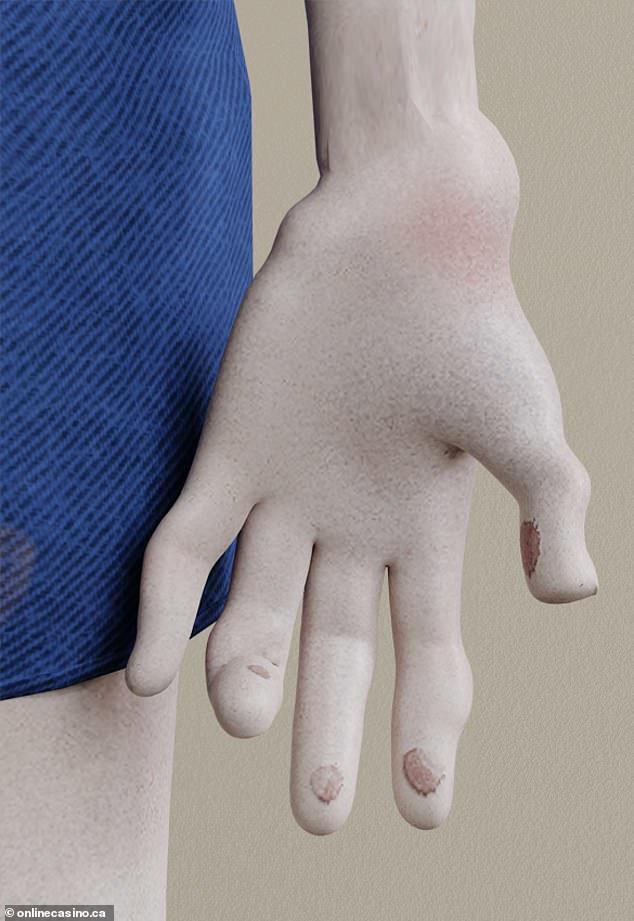
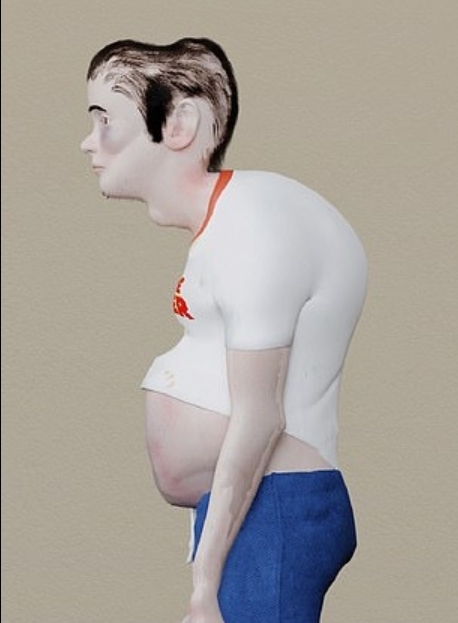
Additionally, a 2024 ScienceDirect study found that gaming sessions longer than 3 hours increase the risk of back, neck, and wrist pain by more than double compared to shorter playtimes. Gamers often sit with poor posture, leading to “gamer’s thumb” (thumb tendonitis) or carpal tunnel syndrome from repetitive mouse and keyboard use.
Eye problems are common too. According to Harvard Health (2020), eye strain is one of the most frequent complaints among gamers, causing headaches, reduced focus, and a higher risk of nearsightedness. A Healthy Gamer study (2020) showed that staring at screens for long periods makes it harder for eyes to adjust to other objects afterward.

Obesity and malnutrition are also concerns. Sitting for long periods combined with unhealthy eating habits raises obesity risk. A Journal of Clinical Nutrition study found that gaming sessions can increase food intake regardless of hunger, due to brain reward center stimulation.
Sleep disorders are another issue. CreditDonkey (2020) reports that gaming before bedtime disrupts sleep quality, leaving gamers tired, irritable, and less focused the next day, even if they get a full 8 hours.
Other rare problems include wrist and elbow pain, tendonitis, and even seizures linked to gaming. While these cases are uncommon and usually improve with less playtime, they serve as warnings for gamers, especially those spending hours in internet cafes where long sessions are common.
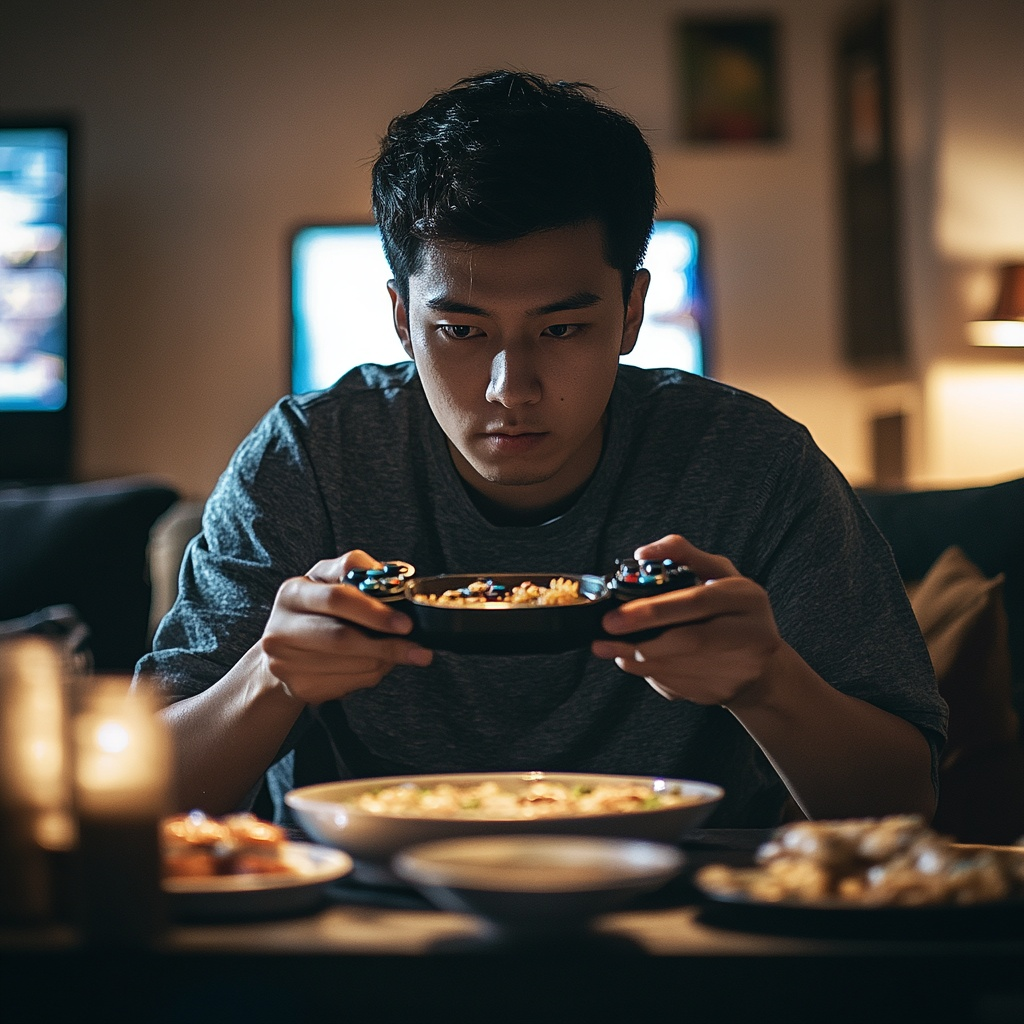
To reduce these risks, studies recommend limiting playtime, using proper posture and equipment, maintaining good nutrition and exercise, parental supervision and psychological support, and engaging in social activities to reduce isolation and boost real-life interaction.
(Compiled)

