

Yuki Murai, 27, works as an office employee in Tokyo. He’s described as quiet and reserved, rarely socializing at work.
About six months ago, a pretty administrative assistant joined the company. She quickly became popular for her sweet looks and gentle personality. After meeting her at a company dinner, Murai started texting her about personal matters.
She replied a few times out of politeness but eventually stopped responding. Murai took this as her toying with his feelings. That’s when he came up with an unexpected plan.
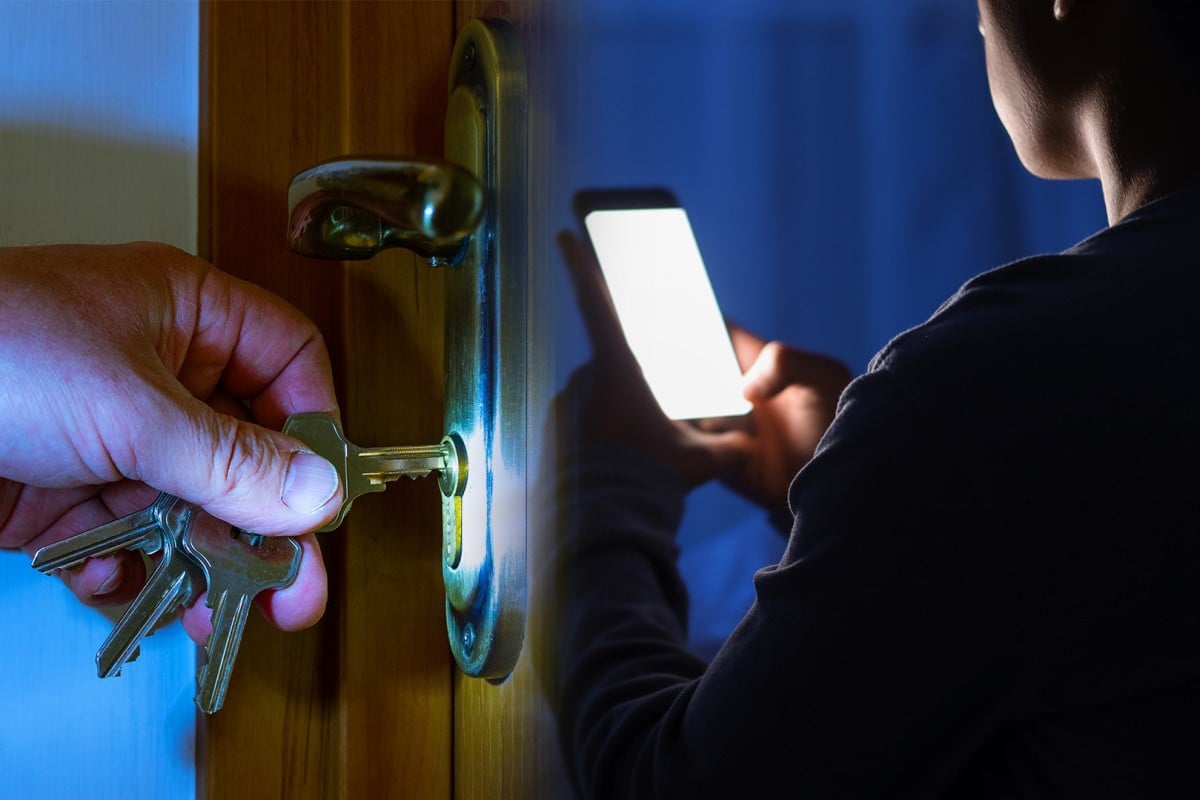
One late night working overtime, Murai rummaged through the assistant’s handbag while she was away. He found her house key, took a photo of it, then noted down the manufacturer and key code. He ordered a duplicate key online. Murai then started tracking her routine and found out she often went jogging in the evenings.
Seeing an opportunity, he snuck into her apartment, wandering through the bedroom, living room, and bathroom. Over the next few months, Murai broke in at least 20 more times, stealing her clothes as keepsakes. He also took over 300 photos, saving images of her home interior, clothes on the sofa, and even water streaks on the bathroom mirror.
The woman grew suspicious after noticing her clothes had been moved and strange footprints on the floor. She contacted the police and installed hidden cameras at home. The police caught Murai in the act.
According to Asahi Shimbun, Murai stole six items during his last break-in, including clothes, a handbag, and a security camera worth about 15,000 yen (around 2.7 million VND). Tokyo police said Murai could face charges for theft and illegal intrusion.

He told police he never intended to harm his female coworker but just wanted her to feel his presence instead of ignoring his messages.
The case sparked outrage on social media. Users commented, “This is terrifying. Evil can be right beside you. Normal-looking people can hide the darkest obsessions.” “The government should tighten regulations on key duplication services before worse stories happen.”
Reported by SCMP

