

Pickleball has exploded in popularity as a sport, drawing players of all ages thanks to its accessibility, community vibe, and health benefits. But with this boom, scammers have quickly jumped on the trend, tricking many players out of their money.
These scams come in many forms and target both newcomers and longtime pickleball enthusiasts.
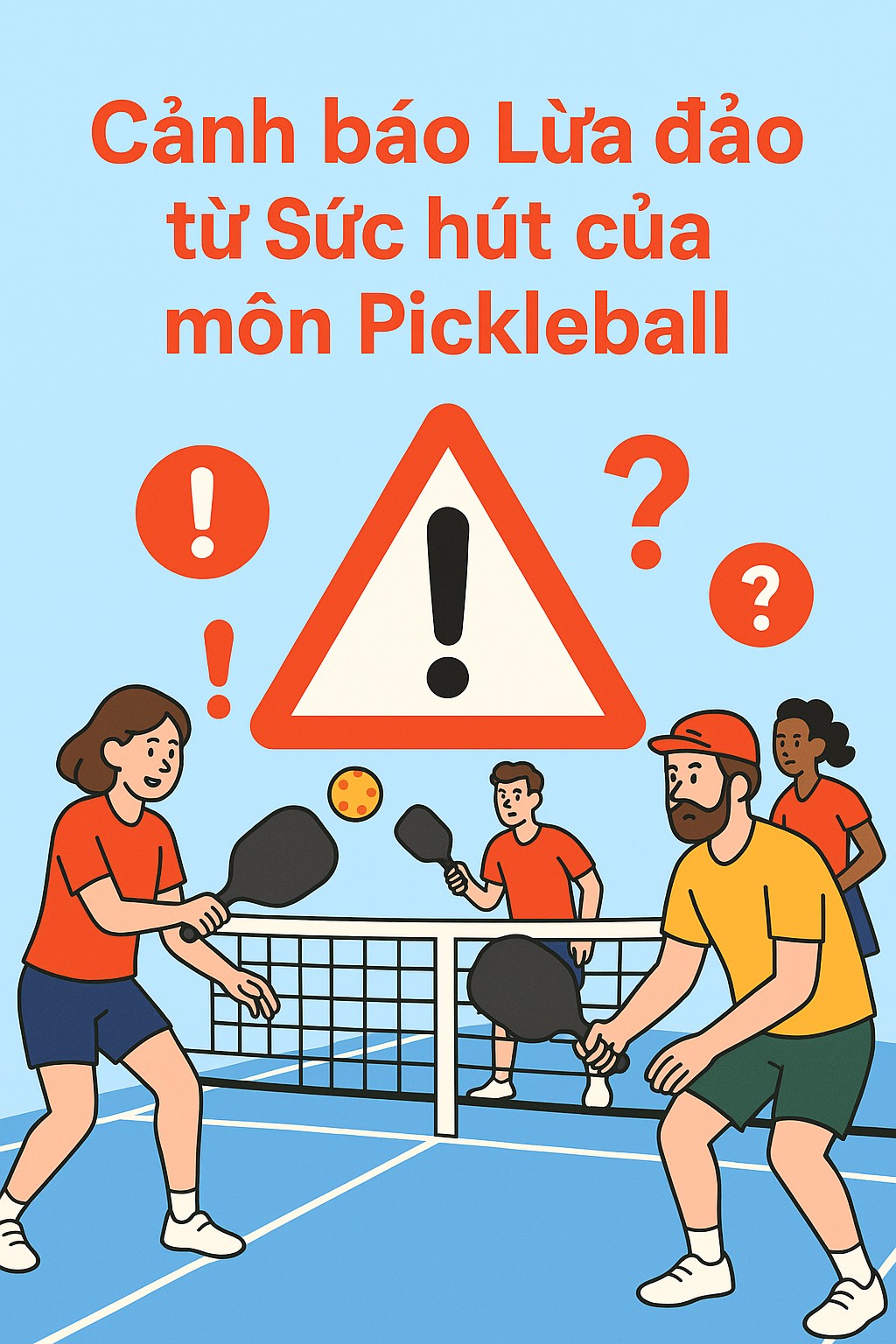
Pickleball Player Loses $90K in Investment Scam
Recently, a woman named Ms. N from Hanoi joined a “Newbie Pickleball” group on social media. There, she connected with someone claiming to be a department head at a major Vietnamese telecom tech company.

During their chats, this person said they were investing in an online game with high returns and invited Ms. N to join. Tempted by promises of big profits, which were actually just a scam to steal investors’ money, Ms. N invested a total of 2.1 billion VND (about $90,000). When she tried to withdraw her money, the system claimed her account violated rules and demanded more payments before allowing withdrawals.
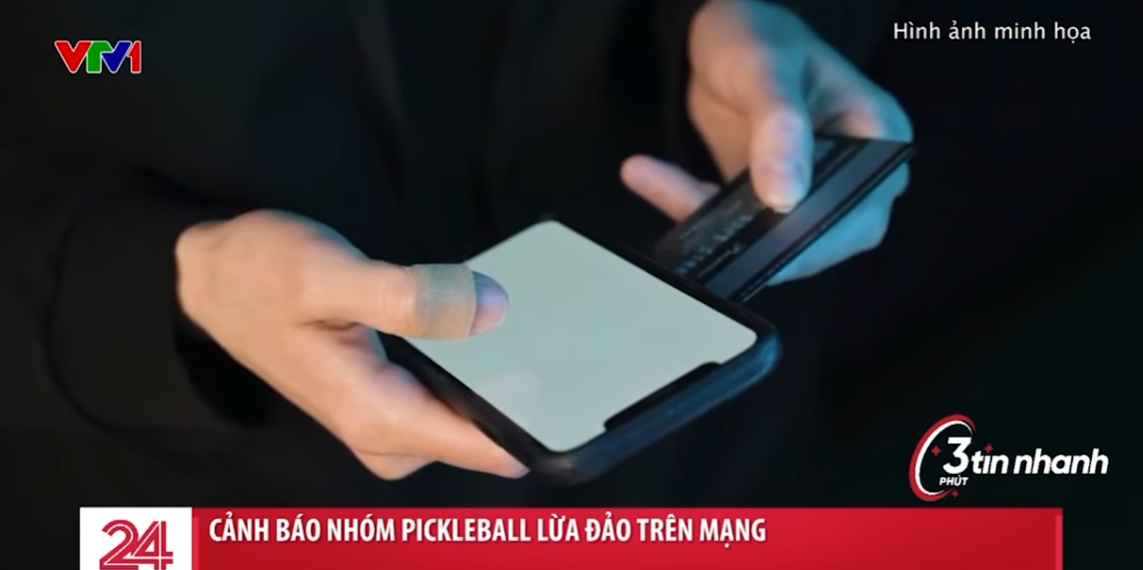
Realizing she was scammed, Ms. N immediately reported the case to the police. Hanoi police warn people to be cautious when joining pickleball groups on social media without thorough research. Especially watch out for investment offers promising huge profits or easy money, which are often scams. If you suspect fraud, contact authorities promptly.
Online Pickleball Classes Turn Out to Be a Scam
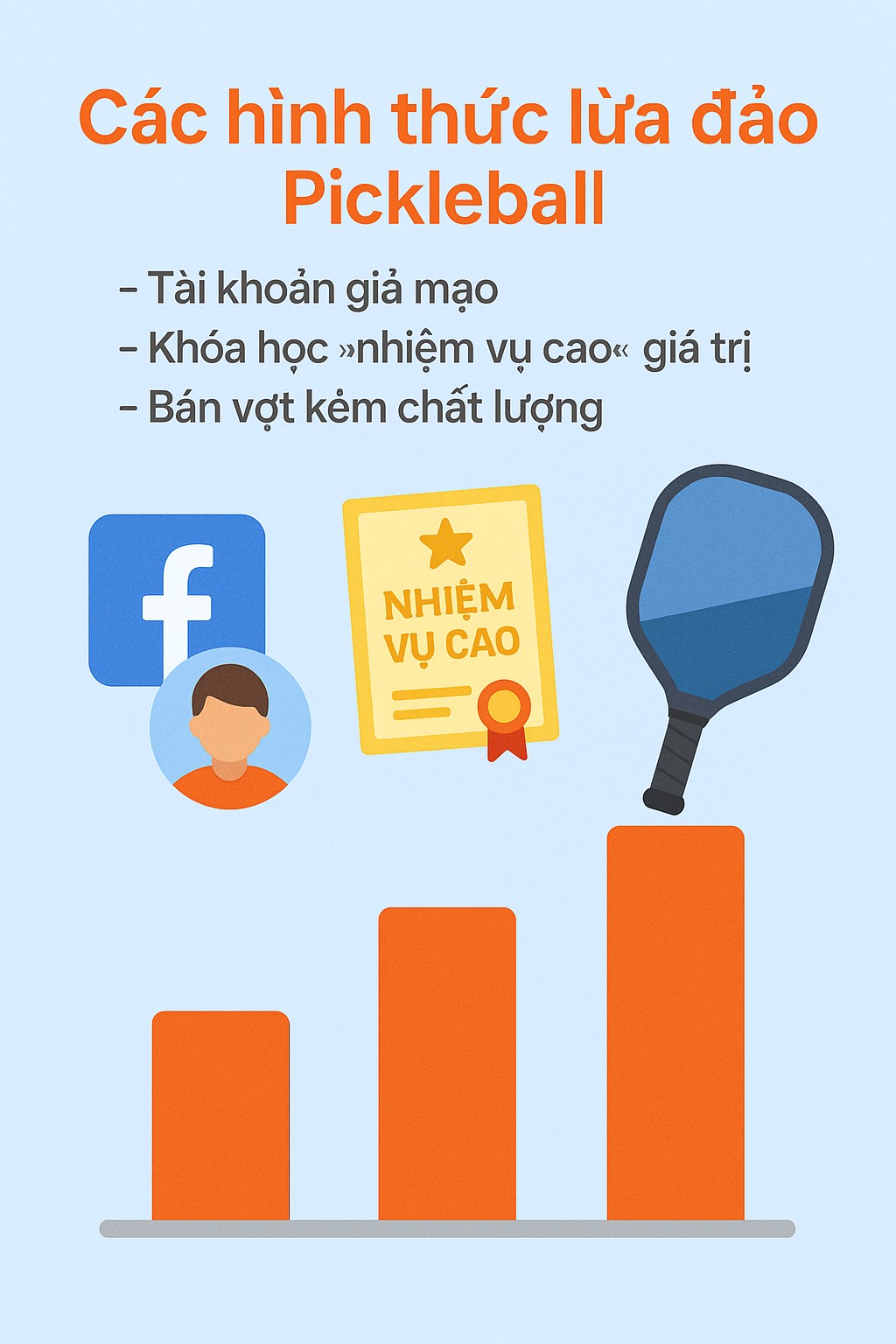
Late last year, fake Facebook accounts impersonating the “Vietnam Pickleball Federation” advertised pickleball training centers to lure people into scams.
When people signed up for classes, scammers asked them to download Telegram and complete tasks like verifying sports gear to get discounts. Then victims were pressured to do costly tasks repeatedly or pay more money to withdraw their funds. Once hundreds of millions or even billions of VND were transferred, scammers would cut contact and delete Telegram groups.
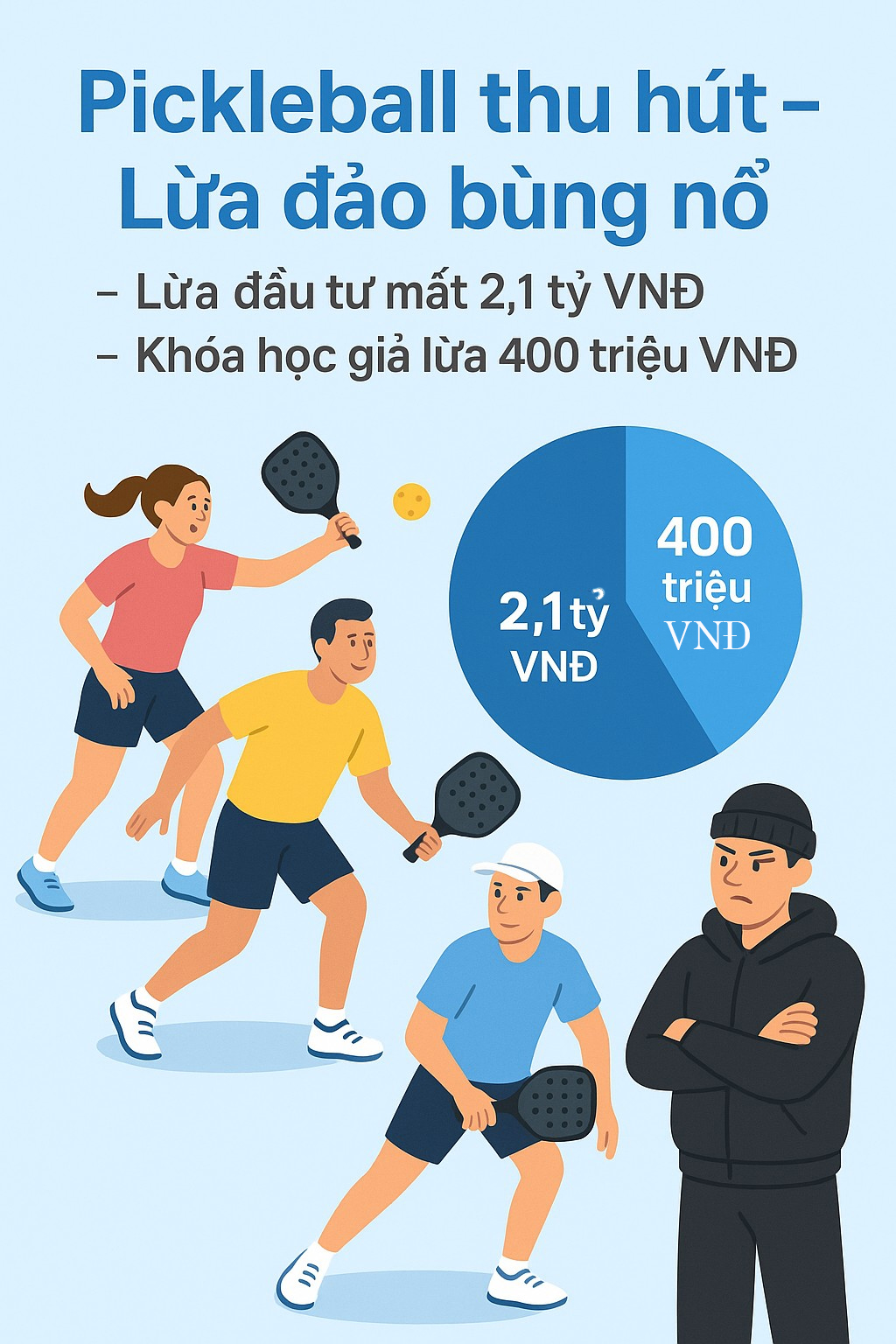
At that time, a woman lost 400 million VND registering her child for an online pickleball course. Authorities advise people to be cautious when signing up for online pickleball classes advertised on social media. It’s safer to visit official centers in person. Report any suspicious activity to the police immediately.
Scammers also sell fake or low-quality paddles and accessories that don’t perform well and can even cause injuries. After taking deposits or full payments, they often block buyers and disappear.
How to Protect Yourself
To avoid falling victim to these scams, pickleball players should stay alert and follow these tips:
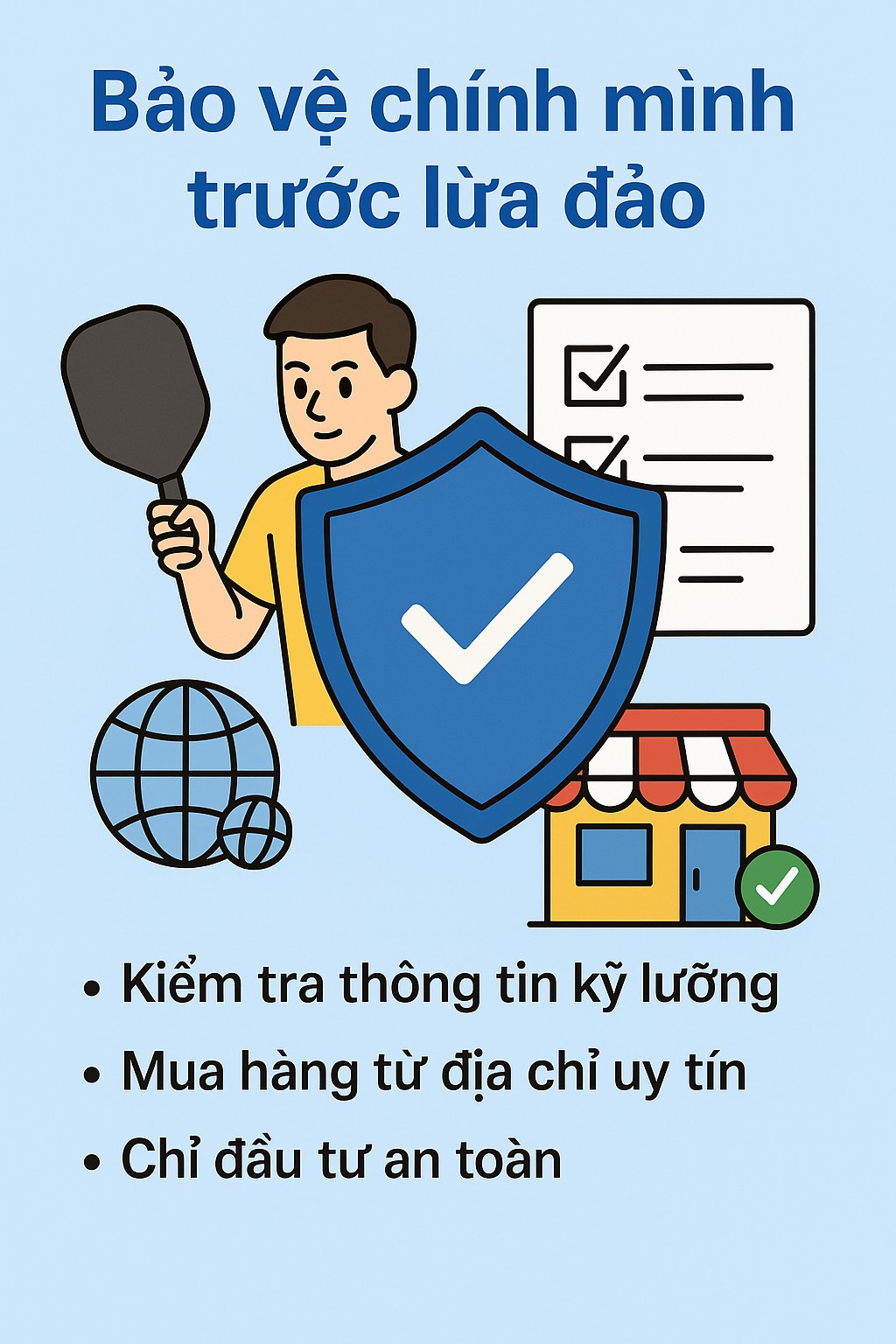
Verify sellers and organizers: Before buying gear, signing up for events, or joining projects, research the credibility of sellers and organizers. Ask experienced players or trusted pickleball communities. Confirm event details like organizers, location, and time directly.
Buy from official stores: Instead of chasing cheap deals online, buy paddles and accessories from reputable shops with proper business licenses or authorized brand distributors.
Don’t trust high-return investment pitches: Any investment promising unusually high profits is risky. Research projects thoroughly, request legal documents, and consult financial experts before deciding.
Report suspicious cases: If you spot signs of fraud, report to authorities quickly and share warnings within pickleball communities.
Pickleball’s appeal is undeniable, but that popularity also opens doors for scammers. Be smart and cautious to protect yourself from traps and keep enjoying the game safely.

