

The launch of Threads has opened up a fresh and fast-paced space for communication. But alongside its rapid growth, an old yet wildly spreading problem has surfaced. Fake accounts are flooding the platform, maxing out on seductive, attractive photos of popular girls by simply “scraping” images, and effortlessly pulling in massive engagement. This trend raises serious questions about content moderation technology.
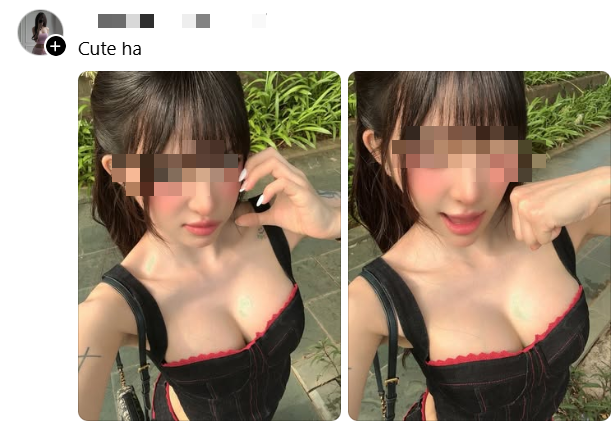
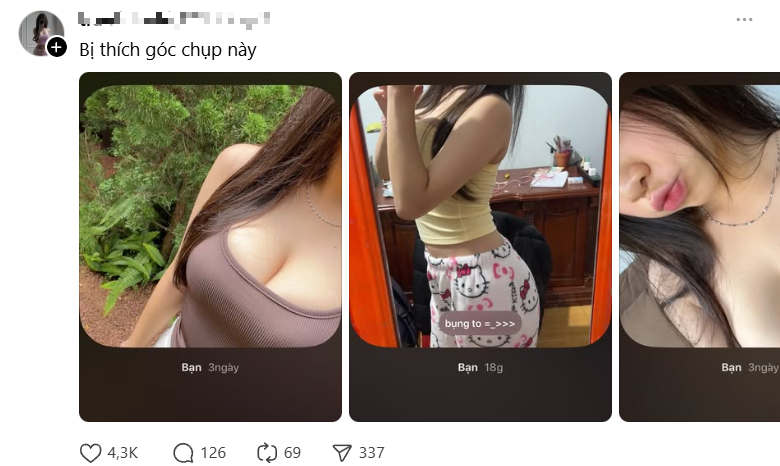
The Allure of Fake Content
Why can accounts built from posts that aren’t original and have unclear sources outperform serious, authentic creators?
Early on in a new platform like Threads, the algorithm tends to favor virality over authenticity. Any post that quickly gains a lot of comments and shares is tagged as “high-quality content” and boosted in feeds.
High engagement leads to algorithm boosts, which reach more people, driving even more interaction. This loop lets fake, empty content dominate the timeline.
Using eye-catching images that spark curiosity, desire, and admiration is the perfect bait to make users stop scrolling, look, and engage. Every second someone pauses to view a photo is a win for the content creator.

Especially among men, interacting with “hot girl” images can create a sense of belonging to a community or show off their aesthetic taste. This unintentionally turns them into free distributors of the content, even if they don’t care about the real message behind the photos. Fake accounts don’t just post pictures, they use these “hot girl” images as visual clickbait to hide a shallow but sophisticated content strategy.

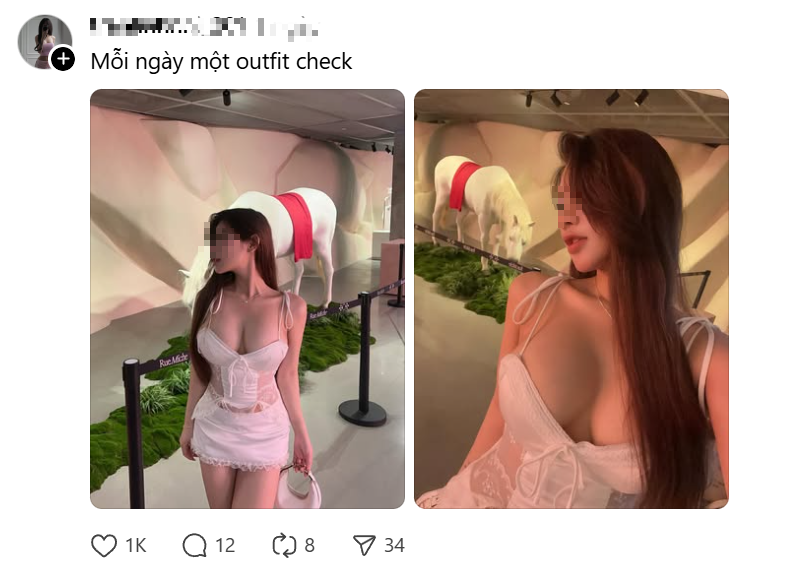
Serious Consequences
The rise of fake accounts can seriously damage user experience and the social media environment overall. First, quality content that creators invest time and effort into can easily be overshadowed by cheap engagement bait, discouraging genuine creators.
When the truth comes out, trust in social media’s authenticity drops, creating a toxic and suspicious atmosphere.

Fake accounts with huge engagement are perfect tools for scams and exploitation. Once they build a big audience, the account owners can start selling ads to shady brands based on fake stats. Even worse, the images used belong to real people but are stolen, seriously harming their reputation and personal lives.
Fighting Visual Traps
To keep Threads and other new social platforms from becoming breeding grounds for fake content, both the platform and users need to work together.
Platforms should tweak algorithms to prioritize content authenticity, not just engagement. Users should make full use of verification features to spot real accounts and actively report fakes and impersonators.

The biggest change has to come from how users consume content. Before liking or commenting, take a moment to ask: Is this account trustworthy? Does this story make sense? Where did this image come from? Avoid engaging with shocking posts that lack verification. Starve the algorithm of fake content. If users stop interacting, the algorithm will stop recommending it, and fake accounts won’t thrive.
Image credits: Compilation
