

Dragon Ball was once a global anime icon, tied to the childhoods of many generations and deeply influencing pop culture.
However, over time, many viewers, especially newcomers, find the series increasingly hard to get into.
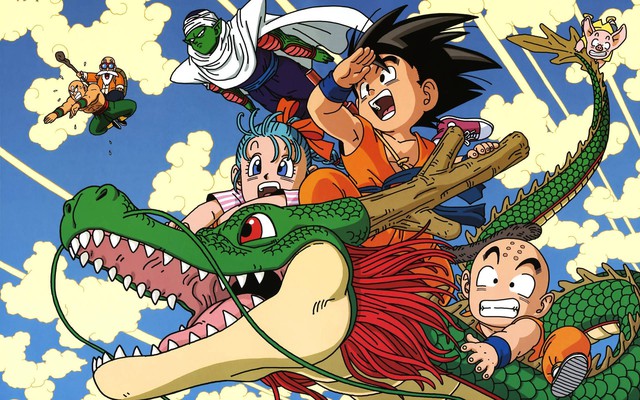
So what makes a legendary series like Dragon Ball less appealing to modern audiences?
One major issue is the huge number of filler episodes. In the past, studios like Toei Animation produced anime continuously for years, which meant the anime quickly caught up to the original manga. To stretch out the story, filler episodes were added. While sometimes entertaining, most of these fillers didn’t contribute to the main plot and often diluted the story’s momentum and excitement.
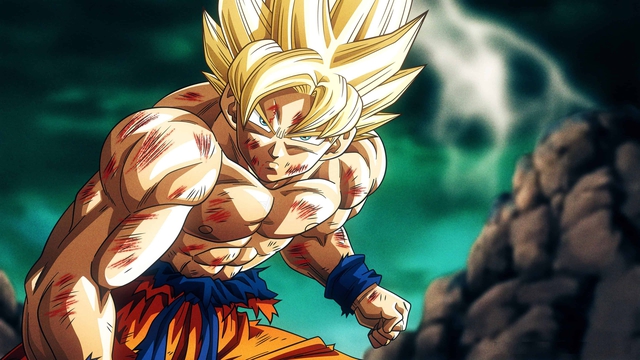
Another challenge is Dragon Ball’s pacing. Compared to modern anime that move fast and pack a punch, Dragon Ball develops its story slowly. Battles can drag on for multiple episodes, repeating frames and music to save on production costs. Scenes where Goku spends several episodes powering up for a single attack now feel frustrating to viewers used to quicker storytelling.
Content-wise, some elements of Dragon Ball no longer fit modern standards. Jokes involving female characters like Bulma or Master Roshi’s antics were once normal but now can feel controversial or offensive. Changing social views have made certain scenes feel outdated.
Visually, while Dragon Ball was top quality in the 80s and 90s, its animation style can’t compete with today’s advanced technology. Inconsistent animation and reused scenes make the viewing experience less smooth, especially for younger audiences.
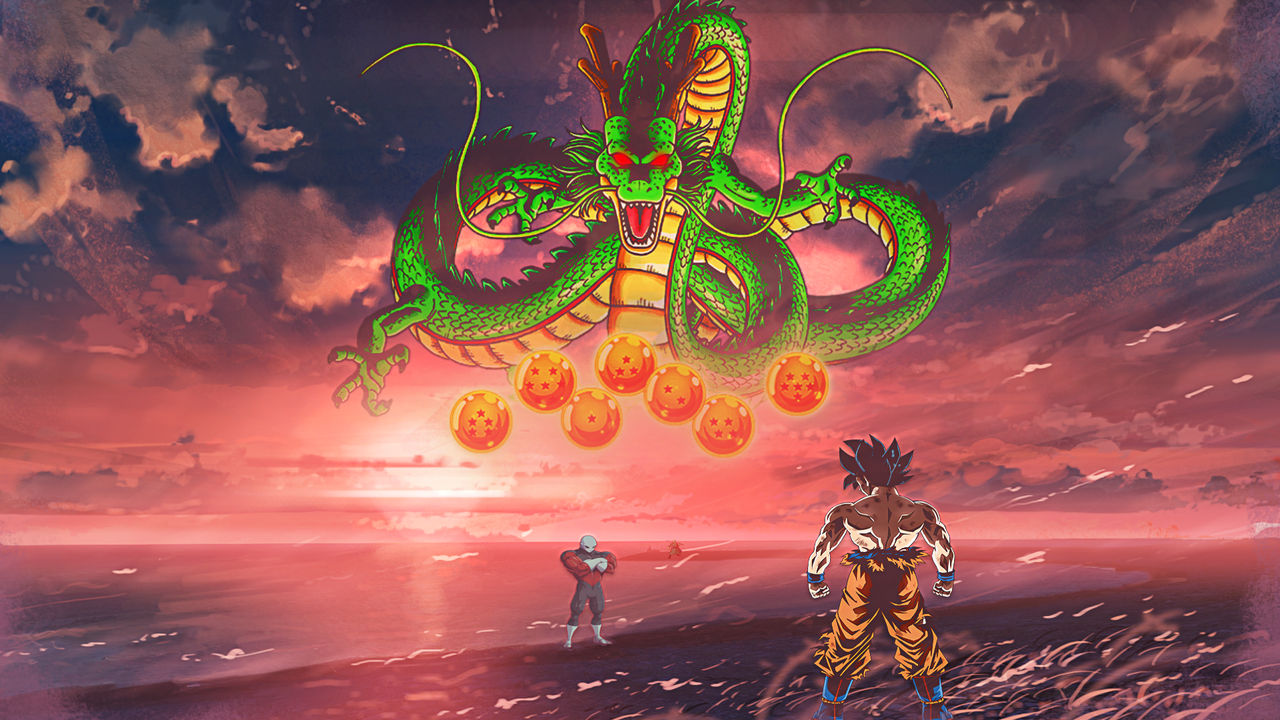
Lastly, the sheer length of the series is a big barrier. From the original Dragon Ball to Dragon Ball Z, there are hundreds of episodes, demanding a huge time commitment. Even the condensed Dragon Ball Z Kai is still a long journey.
Still, there’s no denying Dragon Ball’s historical value and influence. But with changing tastes and higher production standards, it’s understandable why the series feels harder to watch for new fans today.

