

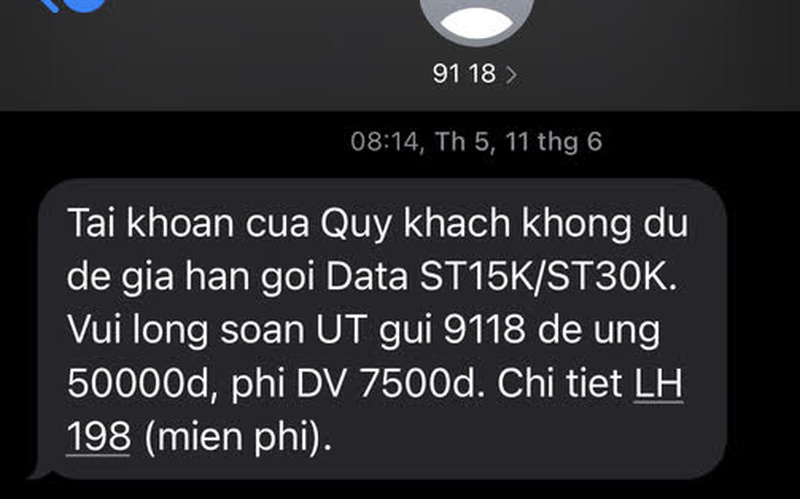
No matter which major Vietnamese carrier you use, like Viettel, MobiFone, or Vinaphone, you’ve probably noticed that most text messages from their service centers come without Vietnamese accents. It’s not just the carriers either, many businesses’ automated messages still use this “old-school phone language.”
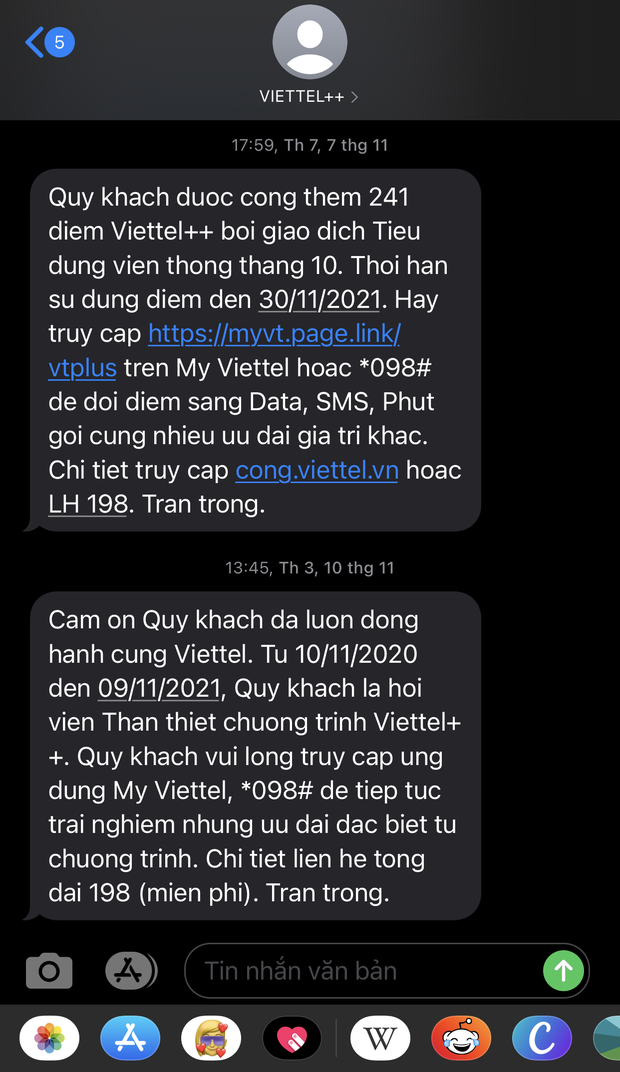
Even though the messages are easy to understand and anyone can “translate” them without trouble, it still makes you wonder, “Why, in the 4.0 era, do carriers still send texts like it’s the button-phone age?”
In reality, the carriers have never officially explained this. So we can only guess based on existing info and figure out the real reasons behind it.
According to some tech-savvy users discussing on forums, the first reason might be that although smartphones are everywhere now, some older phone models or foreign devices still can’t properly display Vietnamese with accents due to font issues.
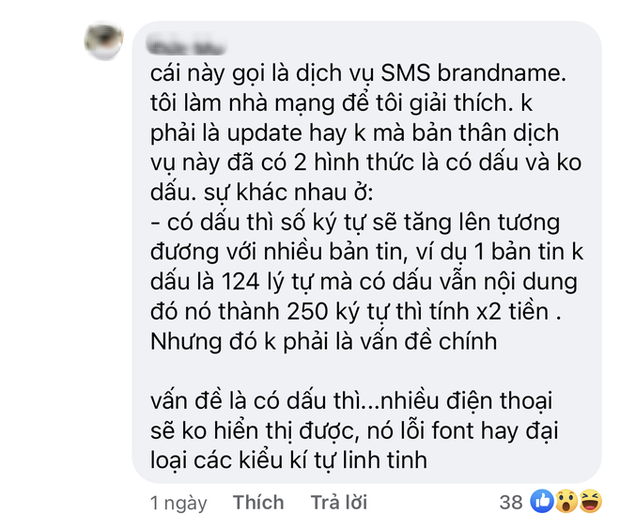
Besides that, the second likely reason is bandwidth. Some members explain that texts with accents use more characters than plain texts, which means each message takes up more data. For individual users, sending a few messages isn’t a big deal, but for carriers handling hundreds of thousands or even millions of messages at once, larger message sizes can cause network congestion, delays, or failures, and even increase costs.
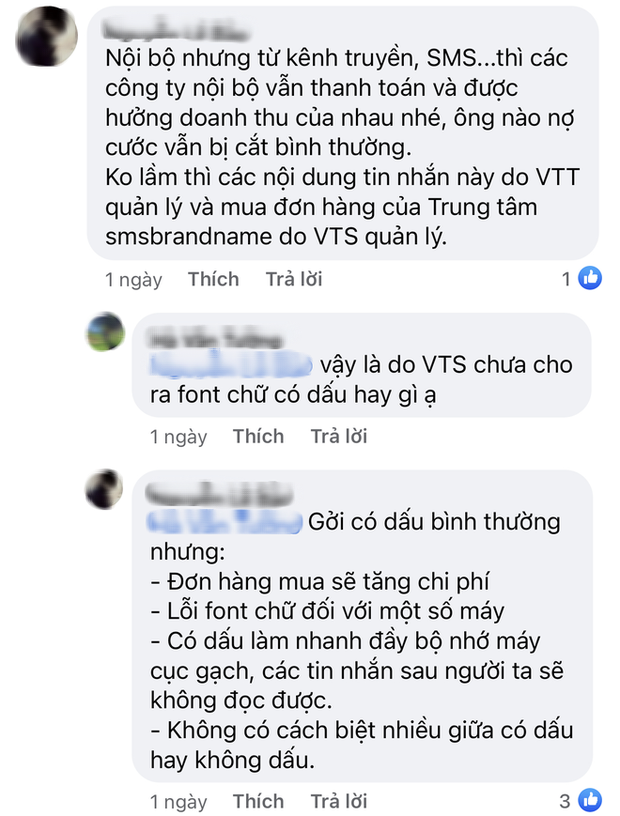
So, to sum it up, the reason Vietnamese carriers still send texts without accents, alongside some simple accented messages, mainly comes down to data transmission efficiency and making sure every user can easily receive notifications.
Photo: Facebook

