

Sci-fi has become one of the most popular film genres, with studios diving deep into it for years. But even as more sci-fi movies come out, The Matrix remains a classic and one of the most iconic films in the genre.
Released in 1999, The Matrix was mainly inspired by Jean Baudrillard’s 1981 philosophical work “Simulacra & Simulation.” This theory explains how real-world objects and events get replaced by subjective symbols, creating a “desert of the real.”
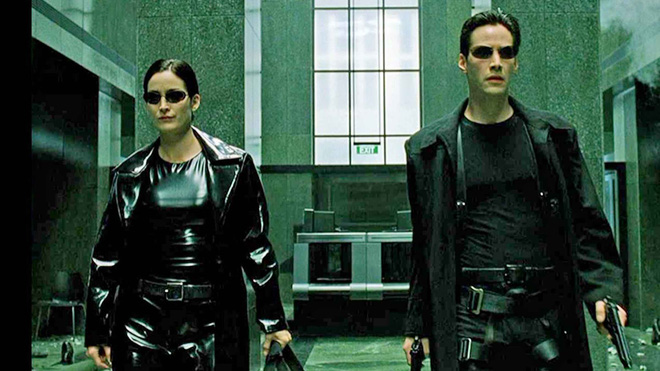
In the first film, agents from Zion, especially Morpheus’s team, keep trying to hack into the Matrix to free as many people as possible. Neo is one of them. After boarding the Nebuchadnezzar ship, he gets a detailed explanation of the connection between reality and the simulated world, plus training to quickly learn new skills inside the Matrix. Meanwhile, his real body stays in the real world, connected to a computer through his brain to enter the Matrix.
But this isn’t a video game you can just jump in and out of or restart when you run out of lives. Injuries suffered inside the Matrix affect the real body outside. That means death in the simulated world is just as final as death in reality.
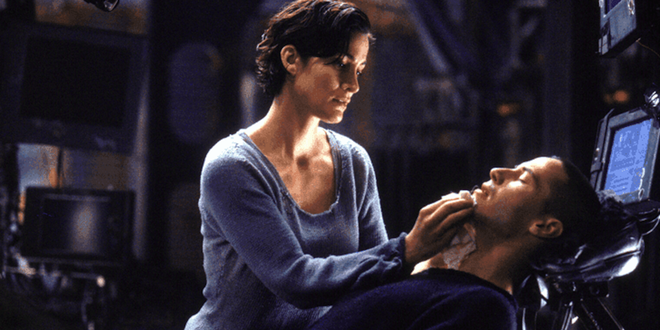
Don’t assume your real body is safe just because you’re in the Matrix. Injuries or death in the simulation have a direct effect on your physical self.
Why does this happen? It’s mainly due to an innate psychological response triggered by the brain. People’s brains grow up inside the Matrix and can’t instantly tell what’s real or fake after waking up. So when someone is hurt or killed in the Matrix, their real body reacts instinctively and involuntarily.
As explained by Morpheus, when connected to the Matrix, the brain receives electrical signals from sensory input like sight, smell, hearing, and touch, convincing the body that these sensations are real.
This strange connection is mentioned many times across the three Matrix films and the Matrix Comics. People connected to the Matrix can change their body temperature and blood pressure, and even develop tumors in certain cases. The psychological conditioning from the Matrix is tough to break, even for those who have fully awakened.
Lastly, the artificial world of The Matrix is a carefully designed, complex prison that reflects reality in disturbing ways to trap and control the human mind.
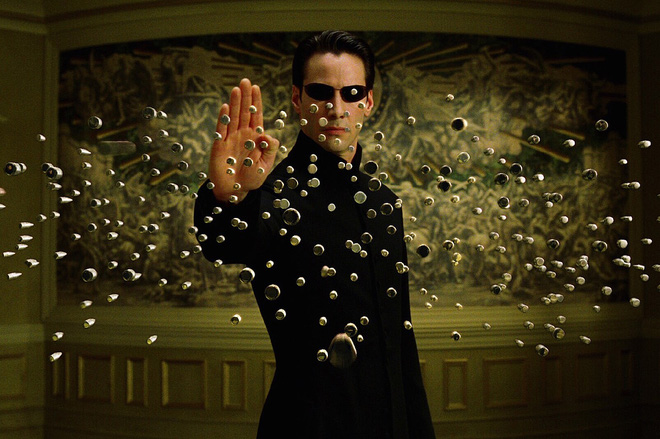
Neo’s ability to overcome deep-rooted memories and instinctive psychological reactions gives him powers like slowing bullets and returning from death. His brain no longer follows the Matrix’s rules, requiring extraordinary mental strength and his unique status as The One to fight the system.
Nearly two decades after The Matrix Revolutions, Warner Bros. announced a fourth film set for release in 2021. Keanu Reeves and Carrie-Anne Moss will return as Neo and Trinity. Filming wrapped last November after delays caused by the Covid-19 pandemic.
Source: ScreenRant

