

Apple says removing the charger from the iPhone 12 and older models is meant to protect the environment by cutting down on electronic waste. They argue most new iPhone buyers already have chargers from previous devices and can reuse them, so including a charger isnt necessary anymore.
Following Apple, Xiaomi, the worlds second-largest smartphone maker, officially announced it would drop the charger from its new Mi 11 flagship for the same environmental protection reason. But Xiaomi gave users more options than Apple by offering two versions: one without a charger and one that includes a free 55W GaN fast charger for a limited time.
Does dropping chargers really help the environment?
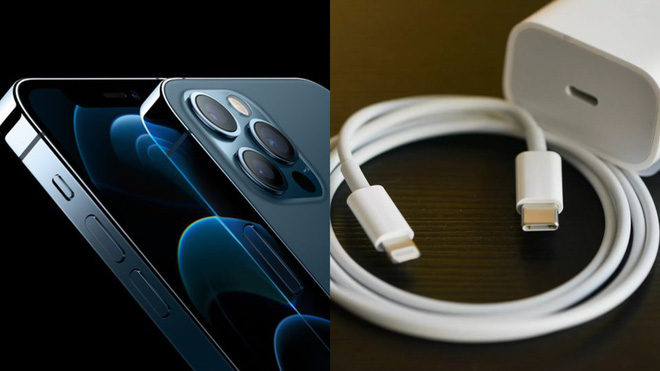
First, Apple claims most people already have chargers, so including one in the new iPhone box is unnecessary and creates electronic waste. But the iPhone 12 comes with a USB-C to Lightning cable, which doesnt work with older chargers. That means users will have to buy a compatible charger separately to fast charge their new iPhones.
This move might only help the environment if users upgrade to older iPhone models that work with most chargers on the market. But problems arise when users give away or sell their old phones instead of trading them in at Apple Stores. The new owners will need to buy new accessories to use those phones.
So removing the charger from the box doesnt mean users wont need one. They still do, and since Apple no longer includes it, they have to buy it separately. This means theres little environmental benefit because new charger packaging and shipping still generate waste.
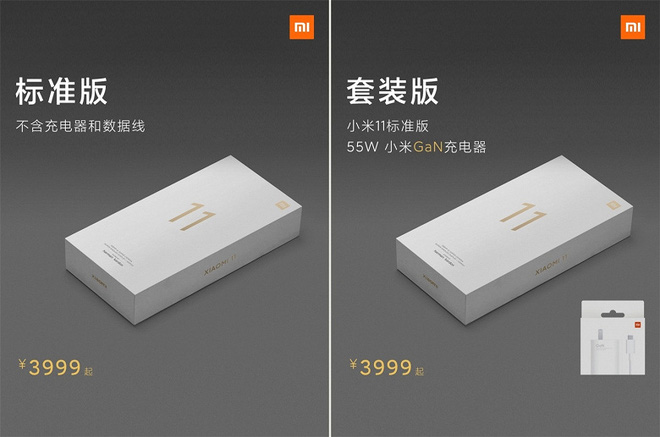
Xiaomis approach isnt much better. Even though they offer two Mi 11 versions, one without a charger and one with a charger at the same price, most users find it hard to choose the eco-friendly option.
Thats because during the promotion, buyers of the version with a charger get a free 55W GaN fast charger. After the promotion ends (Xiaomi hasnt said when), the charger-included version will cost $15 more than the one without.
Beyond the price difference, the fast 55W charging feature makes it tough for users to say no. Xiaomi might actually do better for the environment if they gave users discount vouchers or portable batteries instead.
Sales numbers speak volumes. Out of the first 350,000 Mi 11 buyers, less than 6% (about 20,000 people) chose the version without a charger to protect the environment.
It seems that whether its Apple, Xiaomi, or any other electronics brand, chargers are still essential accessories. Removing them from the box doesnt help the environment much since users still buy chargers separately. The extra packaging, shipping, and waste from these separate purchases continue to impact the planet.
Why do companies claim dropping chargers protects the environment?
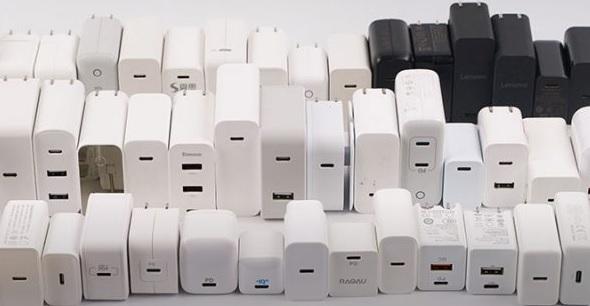
The reason is simple. Smartphone makers want to cut costs and boost profits. When they cant reduce internal component costs any further, they cut back on accessories included with the phone. But how do you remove an important accessory without upsetting customers?
You need a good excuse.
What sounds better than saying it helps protect the environment and reduces electronic waste? These claims make customers accept losing an important accessory without complaints.
Even though the cost of each charger is small (around $15 for Xiaomi and $19 for Apple), multiplied by millions of phones sold yearly, it adds up to huge savings. Cutting chargers saves companies significant money and also creates new revenue streams when users buy chargers separately.
Plus, despite removing chargers, phone prices havent dropped. In fact, theyve often gone up. The Mi 11 version without a charger costs the same as the one with a charger. The same goes for most iPhone models that no longer include chargers, and the iPhone 12 is even pricier than its predecessors (though it does have better screens and processors).
Its worth noting Apple isnt the first to drop chargers. Motorola did it first in 2013 with the original Moto G, openly saying it was to save costs. The Moto G became one of the most affordable smartphones and helped kick off the era of budget smartphones.

