

We live in a world full of electronic screens. The average person spends over 7 hours a day working on a computer, watching TV, or looking at their phone or tablet.
Electronics have changed how we communicate, but do they have side effects on our health, body, and brain? Let’s check out the video below:
Here’s what you need to know: Nearsightedness, computer screen syndrome, and even brain changes with unclear long-term effects. These are risks you or your kids face if you spend too much time on electronic screens.
So how can you prevent this? Here are some tips:
1. The 20-20-20 Rule
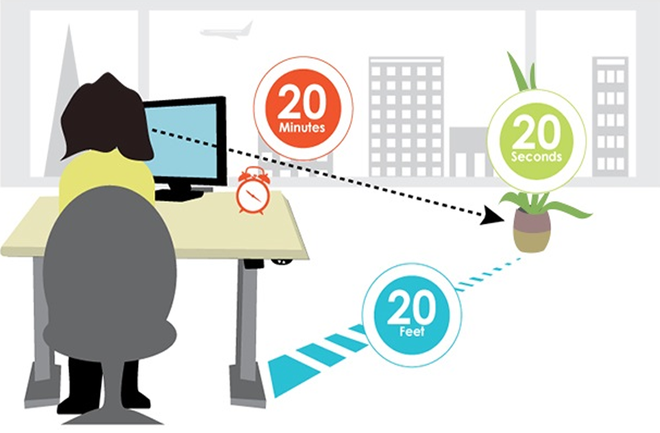
To reduce the risk of nearsightedness and computer screen syndrome, every 20 minutes spent looking at a screen, take 20 seconds to look at something 20 feet (about 6 meters) away.
2. The Harmon Rule

This rule helps you find the safest distance from your eyes to your phone, computer, or tablet screen. It says the distance should be at least the length from your elbow to the tip of your middle finger when you make a fist.
3. Screen Time Guidelines for Kids
The World Health Organization (WHO) says babies under 1 year old should not be exposed to any electronic screens because it can harm their development.
Kids aged 1 to 2 should also avoid screen time. Children over 2 can start using devices but for no more than 1 hour a day, and less is better. The same limits apply for kids aged 3 to 4.

Eye doctors also stress that parents should watch how long kids take breaks from screens. Specifically:
– Preschoolers shouldn’t look at screens for more than 5 minutes at a time
– School-age kids shouldn’t stare at screens for more than 10 minutes straight
– Teens and adults shouldn’t look at screens for more than 20 minutes without a break
Parents should also pay attention to kids’ focus after screen use. If a child can’t stop thinking about their tablet or gets distracted easily when asked questions, it might be time to cut back on their device time.
Sources: Business Insider, CPR

