

A realtime PCR machine for COVID-19 testing costs around 4 to 5 billion VND. Dutch scientists are wondering if they can create a super cheap biological testing device to replace these plastic and metal machines for detecting SARS-CoV-2 samples.
The idea is to train bees to become COVID-19 testing assistants. For comparison, a queen bee costs about 20 USD (around 450,000 VND), regular bees cost less than 1 USD, and an experimental beekeeping setup costs just over 7 million VND.
At the Wageningen University veterinary biology lab, researchers are raising a hive of 150 bees and training them to detect COVID-19 patient samples.
If successful, this would be a testing method 500 times cheaper and 2,000 times faster than realtime PCR machines.
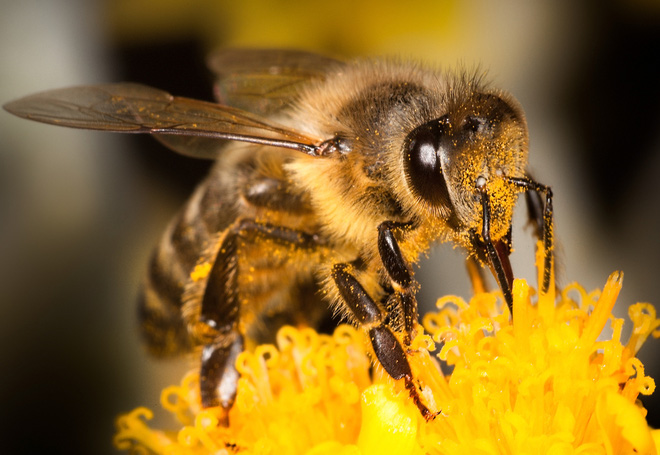
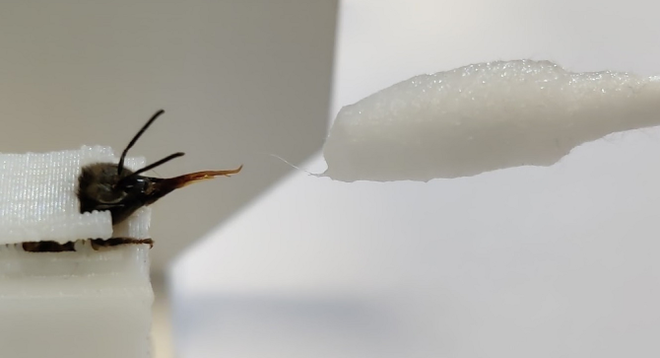
Scientists trained the bees by giving them a sugary water solution every time they were exposed to the scent of a COVID-19 infected ferret. When exposed to a non-infected sample, the bees received no reward.
In animal training science, this is called Pavlovian conditioning. Repeating this process makes the bees automatically extend their proboscis when they detect the scent of a COVID-19 sample, even without the sugary water present.
By the end of training, the bees at Wageningen University could identify a COVID-19 sample within seconds, compared to hours for realtime PCR tests. At the end of the day, scientists just reward them with a little sugary water.
Bees aren’t the first animals trained to detect COVID-19 by scent. Earlier, some research groups trained dogs to distinguish saliva or sweat samples from COVID-positive people.
These tests showed high accuracy. A small German study found dogs could identify COVID-19 positive samples with up to 94% accuracy. This is because metabolic changes caused by SARS-CoV-2 make the bodily fluids of infected people smell slightly different from healthy individuals.
Still, scientists aren’t sure if trained animals are the best option for sniffing out COVID-19 cases outside the lab.
Holger Volk, a veterinary neuroscientist, told Nature: “No one says they can replace PCR machines, but what they can do is very promising.” PCR machines are what lab technicians use for standard swab tests. Their downside is they’re expensive, costly per test, and time-consuming. However, PCR tests are nearly 100% accurate.
Trained animals could be used for COVID-19 testing in places with limited medical equipment or no access to advanced machines. They could be deployed in remote areas, islands, or emergency situations.
Additionally, Wageningen scientists are working on a fascinating idea. They want to release bees into a training device to help them detect the presence of SARS-CoV-2 virus in the environment.
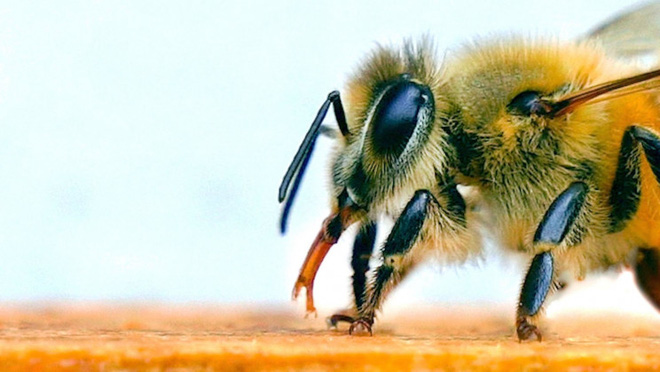
A bee’s nose is actually more sensitive than a dog’s. Bees can detect airborne compounds at parts per trillion. For example, they can find a flower several kilometers away just by scent in the air.
Now, imagine dropping a few bees into a room or elevator where a COVID-positive person has been. The bees would extend their proboscis to tell you: “The air in this room contains SARS-CoV-2 virus. Don’t enter and call the disinfection team immediately.”
Pretty amazing and promising, right?
Source: Business Insider

