

7554
On December 16, 2011, a game fully developed by Vietnamese creators officially launched, sparking huge anticipation and pride among local gamers. That game was 7554. From its very first demo, it earned the full trust and pride of Vietnamese gaming fans.
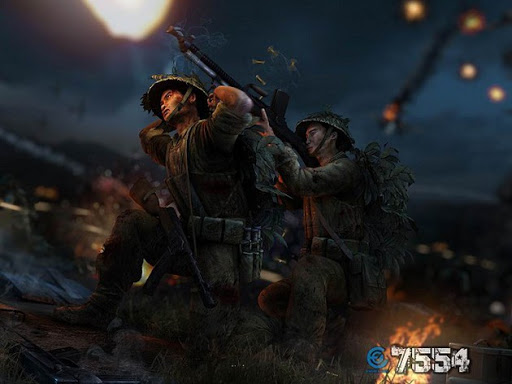
Set during the First Indochina War, with all Vietnamese voice acting, players take on the role of Viet Minh soldiers fighting against French colonial forces. Before 7554, no Vietnamese-developed game had ever gained such a strong following, attracting attention from major international gaming outlets.

Counter-Strike
Counter-Strike (CS) is a legendary first-person shooter that started as a mod for Half-Life, created by Minh Le and Jess Cliffe.

In CS, players join either the Terrorist or Counter-Terrorist team, with the goal of eliminating the opposing side. CS sparked a massive craze in Vietnam when it launched, leading to countless gaming cafes opening just to meet the demand for playing with friends. This was also where Vietnam’s esports scene first took root.
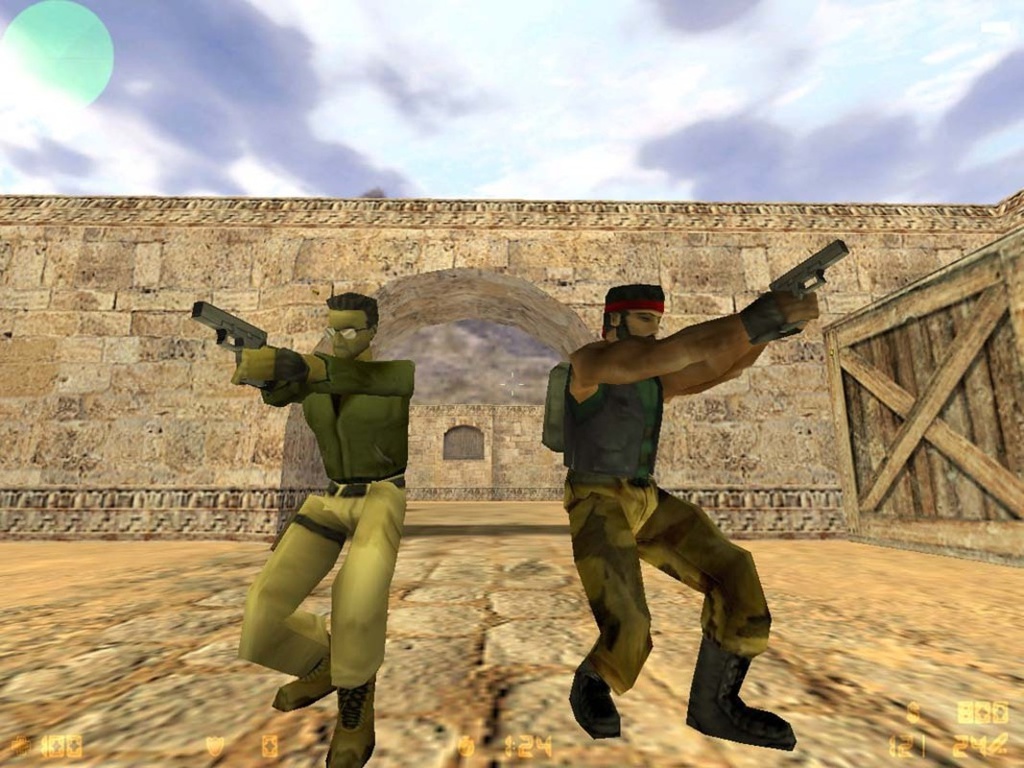
Released on June 19, 1999, the game went through many updates and quickly grew its player base. From there, a huge esports ecosystem formed around CS, with prize pools steadily increasing.
Flappy Bird
Flappy Bird didn’t find success right away. Launched in May 2013, it had only a few thousand downloads in its first week and even dropped in rankings for a while before suddenly exploding in popularity.
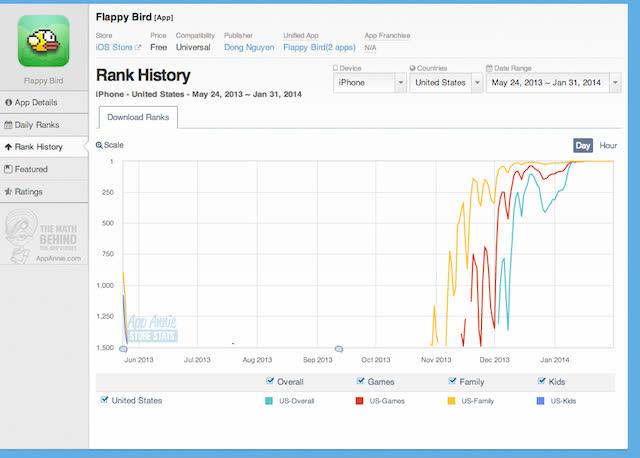
By mid-January 2014, six months after release, Flappy Bird hit number one on the iTunes charts. At first glance, it looked no better than a Java game from 10 years earlier. Its graphics, gameplay, and goals were all very simple. But that simplicity is exactly what made it addictive.
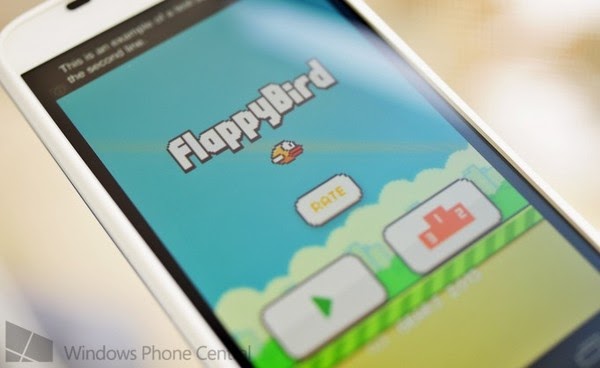
Basically, Flappy Bird felt like a brutal mental challenge, painful, frustrating, and maddening, but also incredibly addictive and captivating.
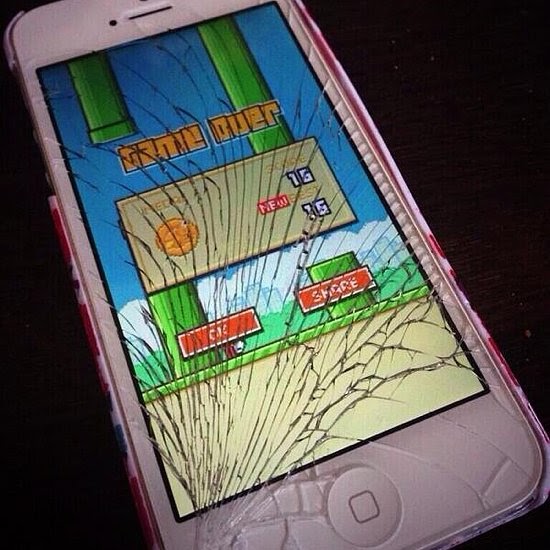
To this day, no one fully understands why the game blew up. It was even featured in a video by PewDiePie, a hugely popular gaming YouTuber, but only after it had already been trending for over a week. Some think the buzz came from players complaining about how hard the game was on Twitter.
During its run, Flappy Bird also faced criticism for its difficulty and accusations of copying sounds, visuals, and gameplay from earlier popular games. As the game grew, developer Nguyen Ha Dong shocked fans by pulling Flappy Bird from the App Store and Google Play.
These examples prove the talent of Vietnamese game developers, simple, culturally rich, yet wildly engaging and trendy!

