

A few days ago, Riot announced they will remove the all chat feature in team matchmaking starting from patch 11.21 in League of Legends. This news disappointed many players since all chat is a staple feature in almost every online game. Riot’s reasoning is to reduce toxicity in the LoL community, as there have been countless cases of players insulting opponents during matches. Even pro players have been victims or offenders.

But is removing all chat really necessary? Even Riot employee Riot EarthSlug expressed disagreement on Twitter, saying that while toxicity exists, the positives of all chat outweigh the negatives and that this isn’t the right move. However, that tweet was deleted and replaced with a softer message after community backlash.
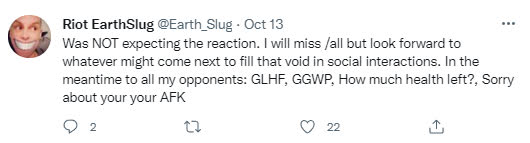
Even with good intentions, Riot’s approach could heavily impact the LoL community’s growth. For a game as popular as League, what else could Riot do to limit toxicity while keeping all chat?
Improve reporting systems, enforce stricter punishments
The truth is Riot hasn’t been very effective in handling toxic behavior like flaming, AFKing, or griefing. Many players say the reporting system is slow or makes mistakes like banning innocent accounts or missing many violations. While some issues are understandable, Riot must take responsibility for allowing toxic behavior to persist.
One simple solution is to increase penalties and enforce rules more strictly. Riot’s slow response is sometimes blamed on limited staff or the pandemic, but toxicity has been a problem for a long time. Many reports from pro players go unresolved, and some offenders continue playing despite Riot’s claims of action.
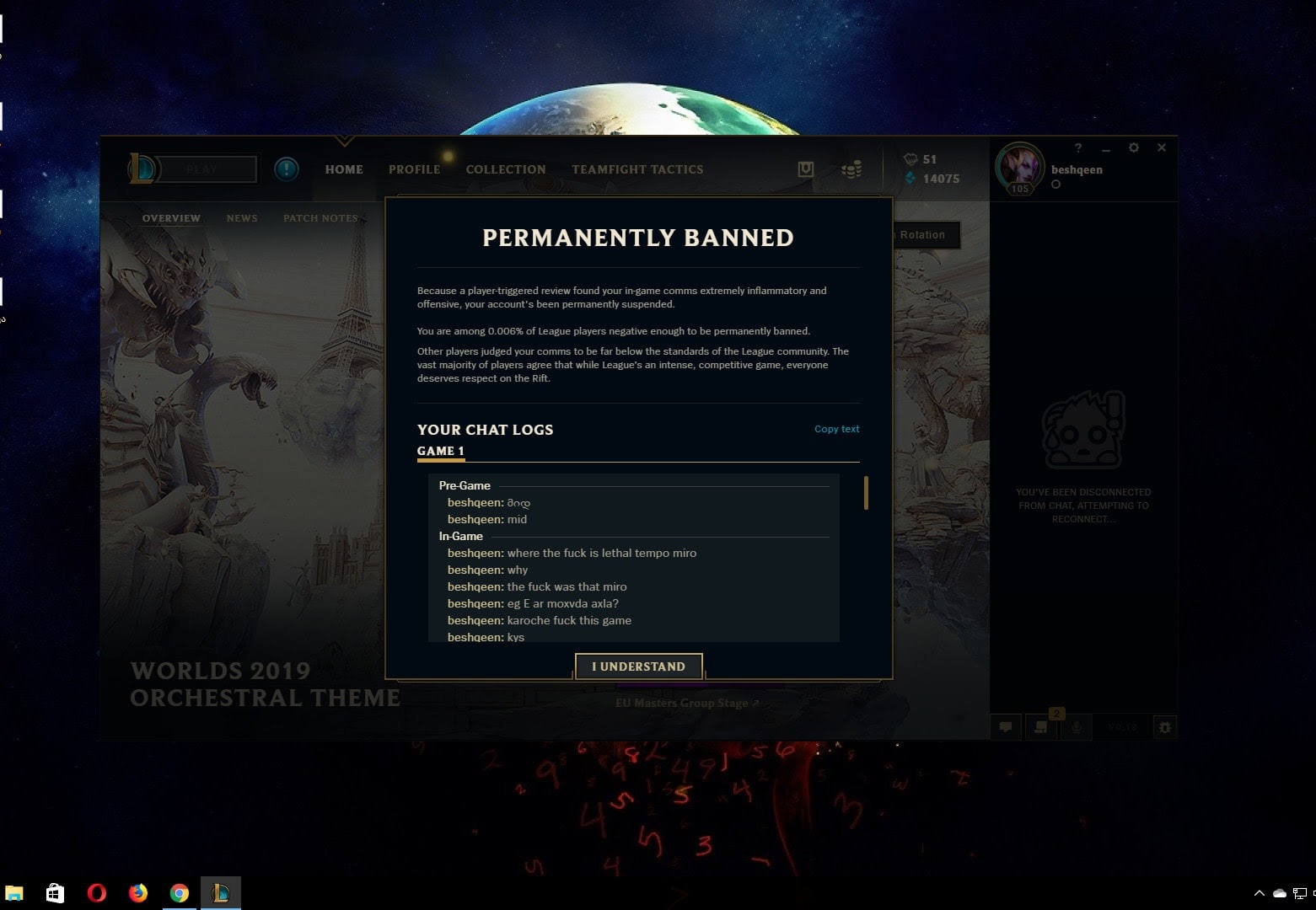
Stricter punishments and better enforcement would be a straightforward but effective step. It could also help catch players abusing the report system to harm innocent gamers.
Combine reporting with matchmaking and warnings
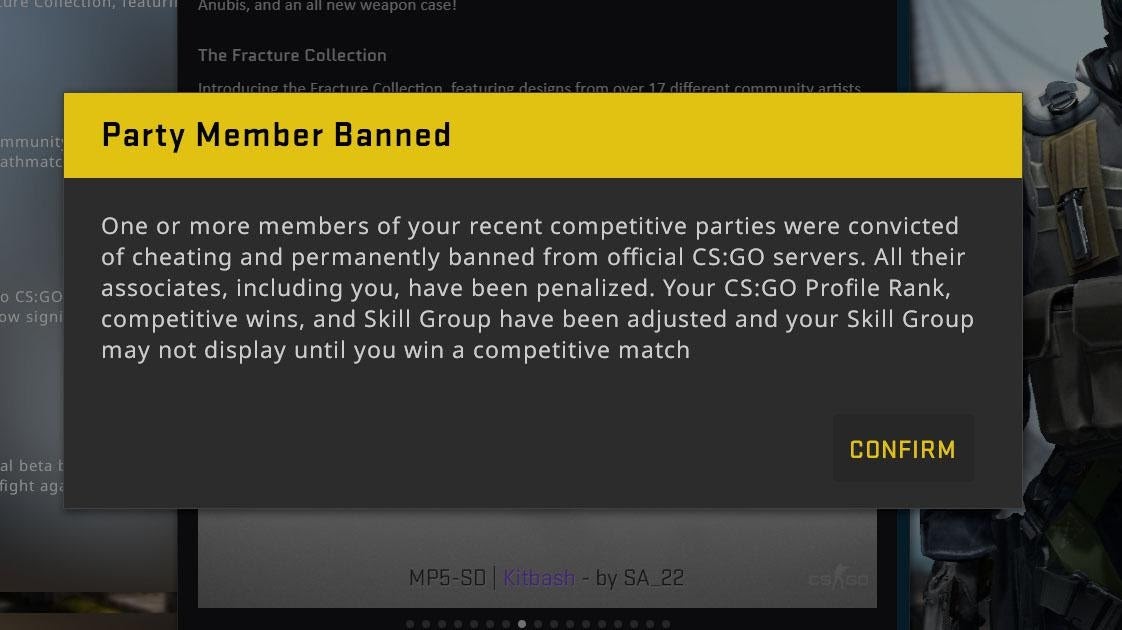
CS:GO is known for its toxic community but has features to limit abusive language. Riot could consider a similar system that links player reports with matchmaking and warnings.
This isn’t too hard to implement. If a player is reported for offensive language, they could be matched more often with other reported players. When champion select starts, teammates would get a warning about the reported player. This could make others more cautious, ready to kick or remake if needed. Being isolated like this might encourage toxic players to rethink their behavior.
Encourage players to report valid offenses
For punishments to work, reports need to be honest and thorough. But most players are lazy about reporting, with excuses like “it’s just a game,” “just for fun,” or “reports don’t lead to action.”
Riot needs to connect better with players, who are their customers. Creating incentives for players to report valid offenses is key. When players see their efforts making a difference, they’re more likely to cooperate. After all, players want a fun and positive experience.

Incentives could include event items, valuable or rare skins, and rewards for players who actively help Riot handle violations at season’s end. This would build a strong partnership between players and Riot to create a healthier gaming environment. The value of rewards will motivate players to report more, but accuracy is crucial to ensure the right people get punished.
Conclusion
Riot’s plan to remove all chat might not be the final answer, especially with strong community pushback. It shows Riot is struggling to find effective ways to reduce toxicity in their flagship game.

