

When choosing a career path, one key factor to consider is your personal interests. Many people dream of making money just by sleeping. It sounds far-fetched, but there really is a job for professional sleepers around the world.
It might seem like all you have to do is lie down and close your eyes, but this job actually comes with strict rules and requirements.
What is professional sleeping?
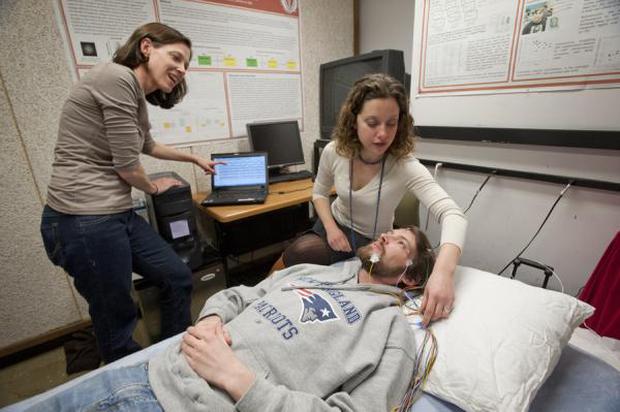
“Professional sleepers” get paid to sleep as part of research studies and investigations.
They work with a variety of clients, including manufacturers, scientists, and medical experts. Their job is to relax and sleep under specific conditions, then provide feedback about their experience.

Fields where professional sleepers can work
Art installations: Professional sleepers in this field might sleep in unique environments like art exhibitions or performances.
Medical research: They can serve as study subjects for organizations exploring how sleep affects the body. They also help test sleep aids and other health products.
Product testing: Professional sleepers try out beds, mattresses, bedding, and pillows, then share what they like or dislike. Manufacturers use this feedback to improve products or marketing strategies.
Hospitality services: This job is especially valued in hotels. Lodging businesses want to offer the best guest experience, so they hire professional sleepers to stay overnight, then report on any issues or discomfort with the rooms.
Beyond that, these sleepers often write blogs or post on social media about their hotel stays, sharing honest reviews and experiences.
How much do professional sleepers earn?
There’s no fixed salary for professional sleepers worldwide. In the US, some make over $46,000 a year (around 1 billion VND). Pay varies depending on the project, employer, location, and experience.
Back in 2017, a dietary supplement company in Shanghai advertised for “professional sleepers” with a salary of 100,000 yuan (about 347 million VND) per year.
The job involved using their products, sleeping at different times to simulate tasks, and writing reports on their experience. The toughest part was needing to sleep anytime as required.
In the US, some companies have offered up to $300,000 (nearly 7 billion VND) for similar roles. Harvard Medical School’s Sleep Medicine department once paid about $10,125 (236 million VND) for a month-long study.
How to become a professional sleeper?
1. Understand the requirements
Most roles require you to be at least 18 years old and in good health.
Requirements vary by project. For example, some studies look specifically for people with sleep disorders.
2. Gain relevant experience
Being a professional sleeper isn’t as simple as it sounds. You’ll benefit from experience in related areas. Volunteering for market research studies can help you learn about product testing and reporting, which is valuable for this job.
3. Assess your fit for the job
Before applying, make sure the role suits your schedule, interests, and abilities. This helps you manage your time without disrupting your personal life.
4. Build a network
Once you start, connect with others in the field. Be professional in studies and build relationships to improve your chances of finding work.
Job outlook for professional sleepers
The US Bureau of Labor Statistics doesn’t have specific data on professional sleepers, but experts predict the field will grow.
Jobs for professional sleepers are expected to increase by 6% from 2020 to 2030, matching the average growth rate for all occupations. This growth is driven by replacing workers leaving the labor force and meeting demand for new products.
Source: Indeed

