

You have the power to shape your TikTok feed and cut out toxic content early.
Besides the silly trends that users often criticize, TikTok has recently frustrated young people with constant drama around TikTokers “rating” restaurants and food.
Many TikTokers create content focused on reviewing and sharing their experiences at various eateries. At first, this was welcomed as a helpful service and even seen as a promising new career.
But as more reviewers flood TikTok, the content has become chaotic and hard to control. Many reviews distort the truth for paid promotions or shock value to get views. Both businesses and customers suffer from careless comments by some TikTokers.
So how do viewers feel about the growing number of reviews on TikTok when it’s hard to verify what’s true?
Users Are Choosing to “Block” Powerful TikTokers
Ngoc Lien, who admits to watching TikTok over 180 minutes a day, is well aware of the recent controversies around food reviews.
She shares her personal take: “It depends on the controversy, but I usually side with the TikTokers. After all, they’re just regular customers with the right to share their likes and dislikes. However, if the content becomes too repetitive or annoying, I just scroll past or block them.”
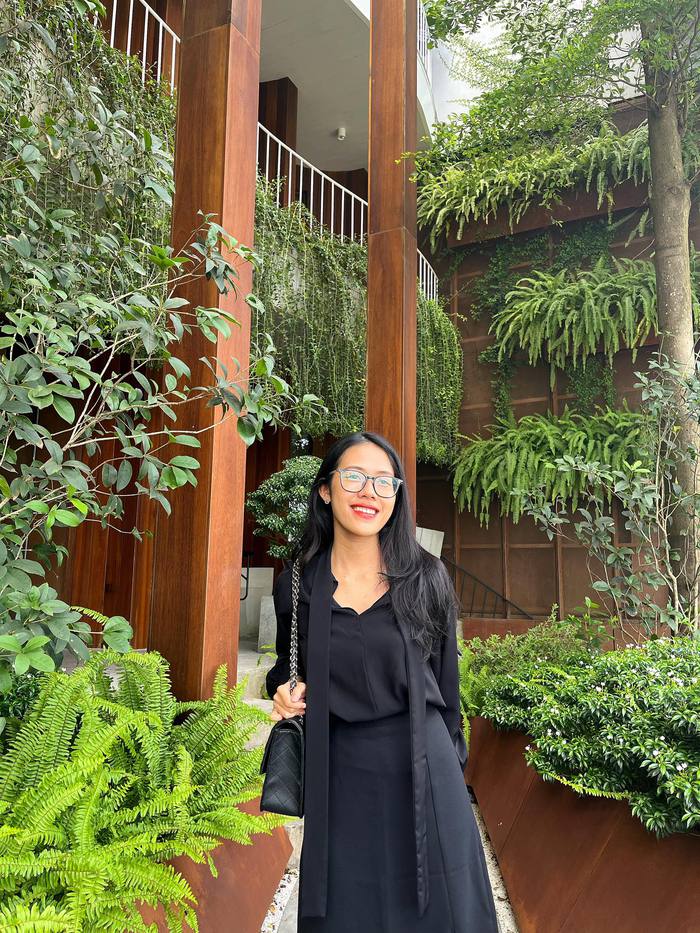
Quynh Quynh, on the other hand, is more critical of TikTokers who act like “powerful critics” and leave bad reviews on restaurants: “Running a restaurant already costs a lot, and owners invest a lot in their business. But suddenly getting negative feedback from TikTokers’ meaningless reviews can hurt their business. Taste is subjective, but when these reviews damage a restaurant’s reputation, I don’t agree with that.”.
Viết Lâm, a TikTok content creator himself, says he keeps an eye on social media drama but finds it mostly negative and unhelpful. He openly states: “If I see controversial TikTok videos reviewing restaurants, I just block, report, and ignore them.”

Ms. Huyen shares that since the public spat between TikTokers and a famous dessert shop, she’s had to unfollow or mark “not interested” on many copycat posts. “TikTokers have the right to praise or criticize, but that’s just personal opinion, not some kind of ‘power’ as many think,” she says.
Only Trust About 50% of TikTok Reviews
After all the drama, most agree that you shouldn’t believe 100% of TikTokers’ reviews and opinions.
Food reviews took off because they’re easy to make and can bring in money. Most reviewers start as regular customers sharing their honest feelings. Over time, as videos go viral and friends tag each other, some accounts become full-time food reviewers. Naturally, once famous, their honesty can drop because they accept paid promotions from brands and restaurants.
This leads many young people to feel disappointed and waste money following TikTokers’ recommendations. Ngoc Lien says she usually checks popular TikTok reviews before visiting a place but often finds the real experience very different, which leaves her frustrated and distrustful.
“Most places highly reviewed by TikTokers aren’t as good as I expected. They’re not terrible, but I’d say only trust about 50% of those reviews. From my experience, if a video is overly praising or says ‘must try,’ it’s better to avoid it,” Ngoc Lien advises.
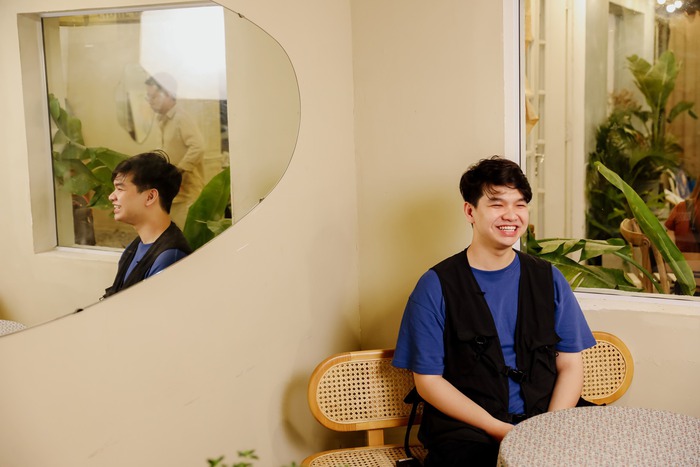
Viết Lâm shares similar experiences: “I’ve followed TikTok food recommendations and sometimes had bad or confusing experiences, wondering why a place got such praise. I’m simple, if I don’t like it, I just don’t go back. I don’t try to expose anyone. Whether I follow TikTokers again is hit or miss. I think people should read comments to verify, since strangers often give more objective opinions.”.
Ms. Huyen, who enjoys TikTok and following creators’ tips, admits she’s had many disappointing experiences compared to the reviews.
“I hope these creators show me new, better places and good restaurants, but when I go, I’m often let down. I’m not judging the food since taste is personal, but some places don’t have 5-star service or the price doesn’t match quality. Sometimes reviews cause places to get overcrowded, ruining the experience. Now, I only trust about 50% to 60% of those videos,” she says.

Stay Smart and Filter Content
Many comments suggest the food review drama might be a form of “dirty” marketing. The buzz helps build fame for both TikTokers and restaurants, but the real losers are the viewers.
Viết Lâm agrees this could happen but warns it backfires on both sides: “Too much of anything isn’t good. Users are more critical now and selective. If the content is too negative or annoying, people will block it. Dirty marketing has never been a good way to advertise.”
“I think so too. If dirty marketing is used, users will eventually reject it. I’ve noticed drama-driven trends usually fade fast without lasting impact,” Quynh Quynh says, strongly opposing such tactics.
The reality is, even though viewers are more cautious and skeptical of TikTok reviews, many still pursue this career. Plus, popular restaurants keep inviting TikTokers to promote their business, relying heavily on their reviews.
Young people say this is due to the crowd effect. TikTok, though newer, has a huge audience. Drama and controversies always get more attention than polished, quality content.
“It’s the digital age, and TikTok has many users. I don’t care much, but others do. So tricks will happen because they bring influence. This job is easy to do, anyone can try, and if lucky, become famous and earn well, so many chase it. But I hope TikTokers share honestly, clearly praising or criticizing so viewers can trust their experiences,” Ngoc Lien expresses.
Photo: NVCC

