

Ryan Stewart from New York started “Ryan for Dogs” in 2002 as a side hustle walking dogs. Today, it’s his full-time job bringing in $120,000 a year.
Specifically, he earns about $60 an hour walking groups of 3 to 5 dogs at once. Over 20 years, Ryan has built a strong reputation, gaining loyal clients who keep coming back.
“I’ve always loved dogs, so this job comes naturally to me. The best part is I don’t need a college degree to earn six figures each year. Plus, I get to do what I love,” Ryan told CNBC.

Ryan works six days a week, about six hours a day. He says dogs demand constant attention, so his job can be physically demanding. Still, he believes the perks far outweigh the challenges. His love for dogs has helped him push through tough times and keep his business going strong for two decades.
“A good dog walker stays highly focused and keeps an eye on the whole pack. You have to watch traffic and make sure the dogs don’t fight or get hurt. It might look easy, but you can’t just zone out and listen to music while working,” Ryan added.
He warns that even small mistakes or distractions can lead to costly accidents. For example, a minor injury to a dog could result in vet bills running into thousands of dollars.
Here’s how Ryan turned his love for dogs into a profitable full-time career:

As a kid, while his siblings did chores like mowing the lawn and clearing the table, Ryan’s job was to walk the family dog. So when he pursued professional dancing in New York in his twenties, he thought dog walking could be a way to earn extra cash.
“I handed out business cards for ‘Ryan for Dogs’ on the streets. In the first six months, I only had two clients. Then the number slowly grew,” Ryan recalled.
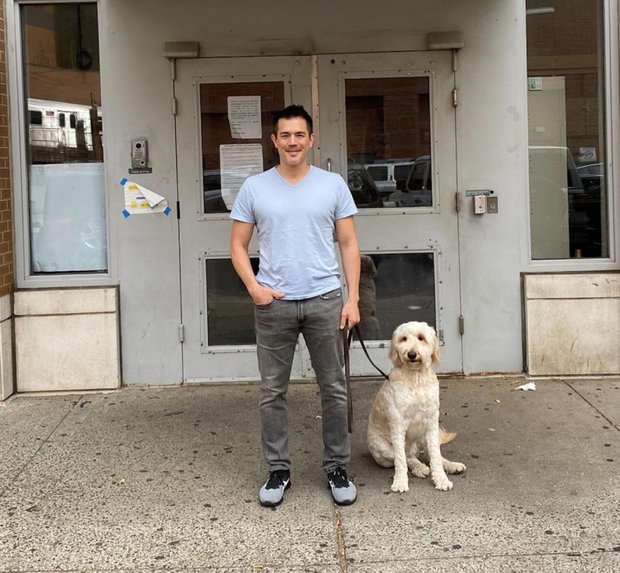
After a few years, Ryan realized dog walking could be more lucrative as a full-time job. Although demand in a big city like New York is high, most dog walkers only make around $36,000 a year on average.
Ryan’s journey to his current income took time. He now charges $20 to $25 per dog for group walks. About half his clients come from referrals, and the rest find him through his website.
Ryan says he often can’t keep up with all the booking requests. He carefully screens owners and dog breeds, accepting only about 10% of inquiries through his site.

His weekday routine includes 2 to 3 hours of walking in the morning, followed by a break for food and a nap. Then he works a similar shift in the afternoon and evening. On Saturdays, he works 1 to 2 hours, and Sundays are his day off.
Ryan has strict rules for his work. He always uses his own equipment, including leashes and collars. He prefers group walks because he believes dogs interact better that way. Some clients worry about potential incidents, but with 20 years of experience, Ryan knows how to manage the pack safely and has never had an accident.
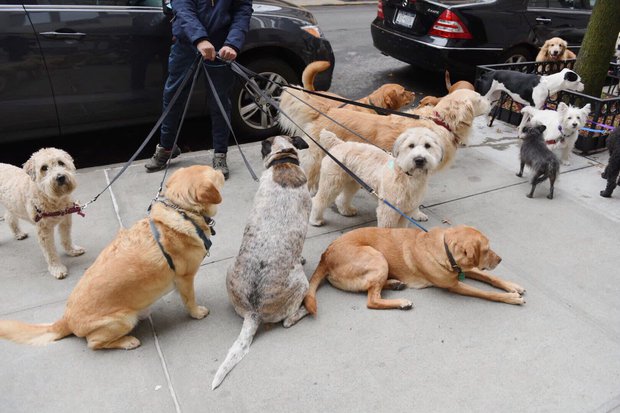
Some of Ryan’s methods might seem unusual to clients, but he says they come from years of trial and error. To reassure customers, he explains that his approach is all about keeping the dogs safe, which has helped build his strong reputation.

Ryan admits the job has downsides: he pays for his own insurance, doesn’t get paid time off, and often has to clean up after the dogs.
The toughest part, he says, is dealing with dog owners. “Since the Covid-19 pandemic started, more clients message me during walks to check in. That distracts me when I should be focused on the dogs. Clients are also getting more demanding. Their increased monitoring makes me feel stressed, like I’m being watched,” Ryan shared.
Still, the pandemic gave a big boost to the pet industry. For example, many clients working from home still want to send their dogs out for walks so they can focus on work.
According to the American Pet Products Association, the pet industry was worth $97.1 billion in 2019 and jumped to $123.6 billion last year.
Sources: CNBC, Business Insider

