

The recent leak of private photos and videos of former athlete Louis Pham has sparked a major warning about personal data security in Vietnam. Beyond debates on ethics and legality, this incident encouraged many social media users to bravely share their own “horrifying” experiences when handing over their phones for repairs.

From a viral warning post with millions of interactions, a worrying truth emerged: our phones, those inseparable devices holding our life’s secrets, can easily become prey for nosy, unethical technicians the moment they leave our sight.
Strange Signs at Phone Repair Shops and Chilling Customer Stories
Right after the buzz around Louis Pham’s data leak peaked, a Threads user grabbed 2.3 million views by sharing a haunting story about getting their phone screen replaced.

“Following Louis Pham’s case, I want to warn everyone about phone repair shops. When I went to replace my screen, they absolutely refused to let me wait there. They told me to go home and come back later. When I returned, I saw them opening hidden photo folders and checking my phone (and other apps). I was speechless.”
This story hit a nerve with many. Right below, another user shared a similar experience:
“A while back, I went to replace my phone screen and they asked for my password. I was like, WTF? Why would they need my password just to replace the screen? They kept insisting it was to test the phone, but I refused. After the repair, I tested the phone myself. So never share your phone password when getting repairs, it’s unnecessary.”

These real stories reveal two suspicious tactics often used by shady phone repair shops to access customer data:
Refusing customers’ direct supervision: Claiming repairs take a long time, they ask customers to leave or prevent them from staying in the repair area, giving technicians free rein to snoop through personal accounts.
Unreasonable demands for phone unlock passwords: For purely hardware issues like screen replacement, glass pressing, battery swap, or charging port repair, asking for the phone password to “test” is totally unnecessary. Technicians can check basic touchscreen functions from the lock screen or with the customer watching.
The Risks to Your Privacy
Smartphones today aren’t just communication tools, they’re massive storage vaults for our most sensitive data, from private photos and chat logs to social media accounts, bank info, work emails, and location data.
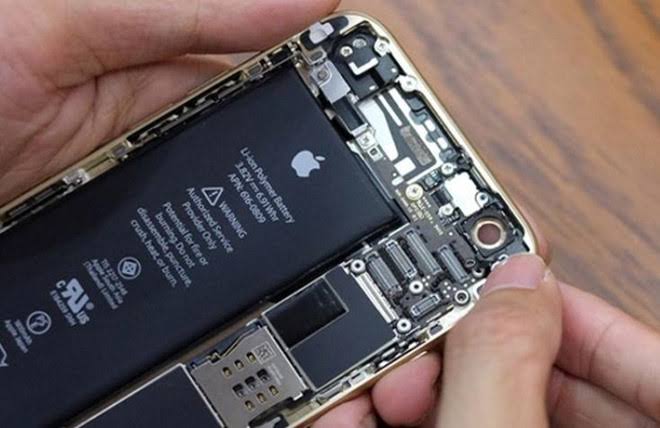
When you hand over your password or leave your phone without supervision, you face serious risks:
Copying of sensitive photos and videos: Hidden or recently deleted files are prime targets for curious technicians. With just a few clicks, all your private images can end up in the wrong hands.
Hijacking social media accounts: Bad actors can access Facebook, Messenger, Instagram, Telegram apps to read messages or even install linked devices to secretly monitor your life long-term.
Blackmail and reputation damage: There have been cases where victims were threatened or extorted by repair staff or data buyers using sensitive images. If victims refuse to pay, those images get leaked on adult sites or shady groups.

Why do these things keep happening despite repair shops promising confidentiality? The answer lies in weak management and declining ethics among some technicians.
Many small, informal shops lack surveillance cameras in repair areas. Technicians have full control over customers’ devices in private spaces. Their sick curiosity, combined with the thought “just a quick look, no one will know,” pushes them past ethical and legal boundaries. They don’t realize that what seems like harmless snooping to them is a brutal violation of privacy that can ruin lives.
On top of that, many Vietnamese consumers’ careless habit of fully trusting repair shops unintentionally enables these abuses. Out of convenience, busyness, or trust, many easily hand over their screen lock passwords without suspicion.
Your phone is your personal property, and what’s inside it is off-limits. Unauthorized access, copying, and sharing of customer data by repair technicians is not only a serious breach of professional ethics but also a criminal offense punishable by law.
Following the strong wave of warnings after Louis Pham’s case, consumers need to completely change their careless habits. Be a smart tech user: question unusual requests, protect your passwords, and firmly say “no” to shady repair practices. Don’t let a moment of carelessness turn your useful device into a weapon that harms you.

