

The online community probably hasn’t forgotten the rumor that “S.S infected multiple men with HIV at her workplace.” This started from videos and images shared on TikTok and Facebook, and within just one weekend afternoon, the story spread like wildfire, stirring up a lot of public attention.
On July 26, social media was flooded with posts and clips containing sensitive content. All these posts mentioned a female employee from S.S Thái Nguyên.
Alongside, a post included a list of 16 people allegedly involved with the girl and supposedly infected with HIV.
Later that afternoon, a video appeared on Facebook featuring the girl rumored to be involved. She spoke out, saying her reputation was being attacked and false rumors were being spread about her.
Here, although the rumors were unverified, they already had a huge impact on those involved. Specifically, the girl’s name and photos were everywhere on social media. Along with that was a list naming people supposedly infected due to “not using protection,” including full names, birth years, and workplace details.
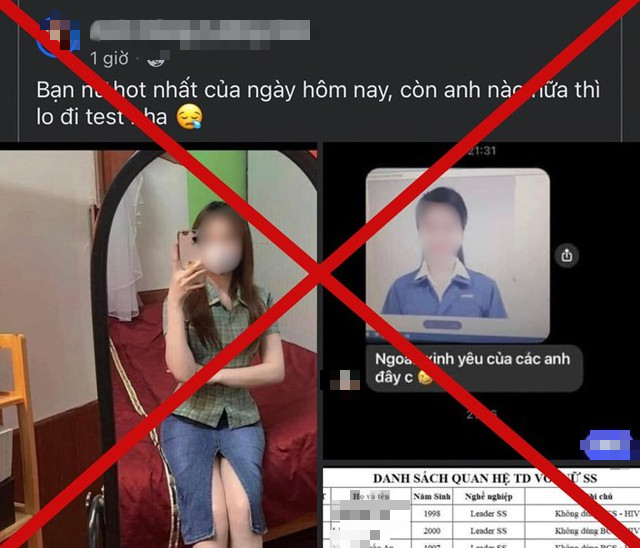
At the peak of the fake news outbreak, the original source was unknown, but those spreading it eagerly jumped on the story to grab views, poisoning the online space and damaging the girl’s reputation. This toxic information spread like wildfire, ruining the image of a young woman and harming the reputation of a major foreign company in the area, especially since it involved HIV/AIDS. The fake news not only caused serious harm and defamation to the victim but also affected her family, friends, and business partners.

Eventually, the person who spread the false rumors was fined 7.5 million VND for administrative violations. Many believe the punishment should be harsher to deter those who poison the online environment.
This case shows that the online community needs to be more responsible in verifying information before believing and sharing it. Spreading inaccurate information can cause serious harm, especially when it involves sensitive issues. Only by doing this can we reduce the amount of harmful content on social media.

